
0

1992 Smith of Wootton Major (BBC Radio Drama)
Release Date: 1992.08.30
Readers: Full Cast
Language: English
Script: Brian Sibley
Organisation: BBC Radio 5
Series: Tales from the Perilous Realm (BBC)
Duration: ~30 minutes
Unabridged: n/a
Country: UK
Licenced: Yes
Formats: Radio, CD, Digital
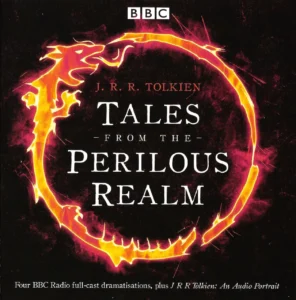
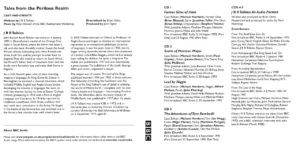
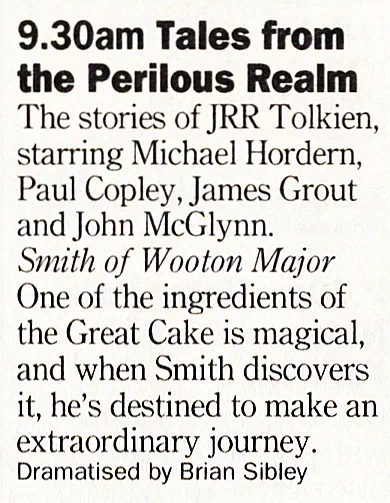
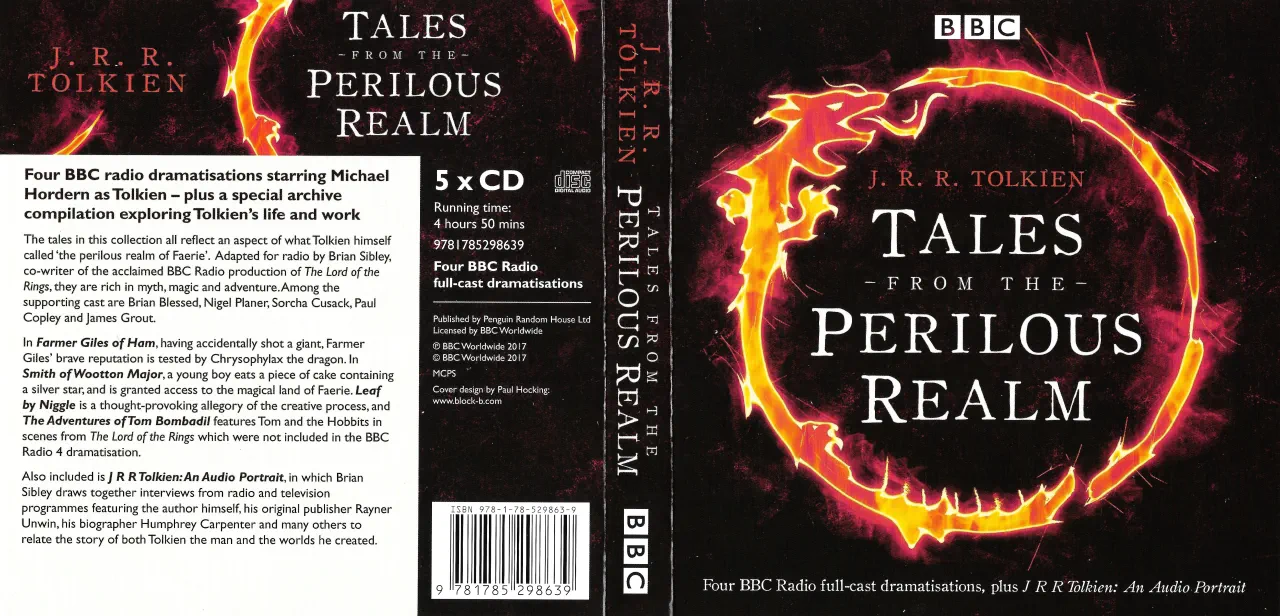
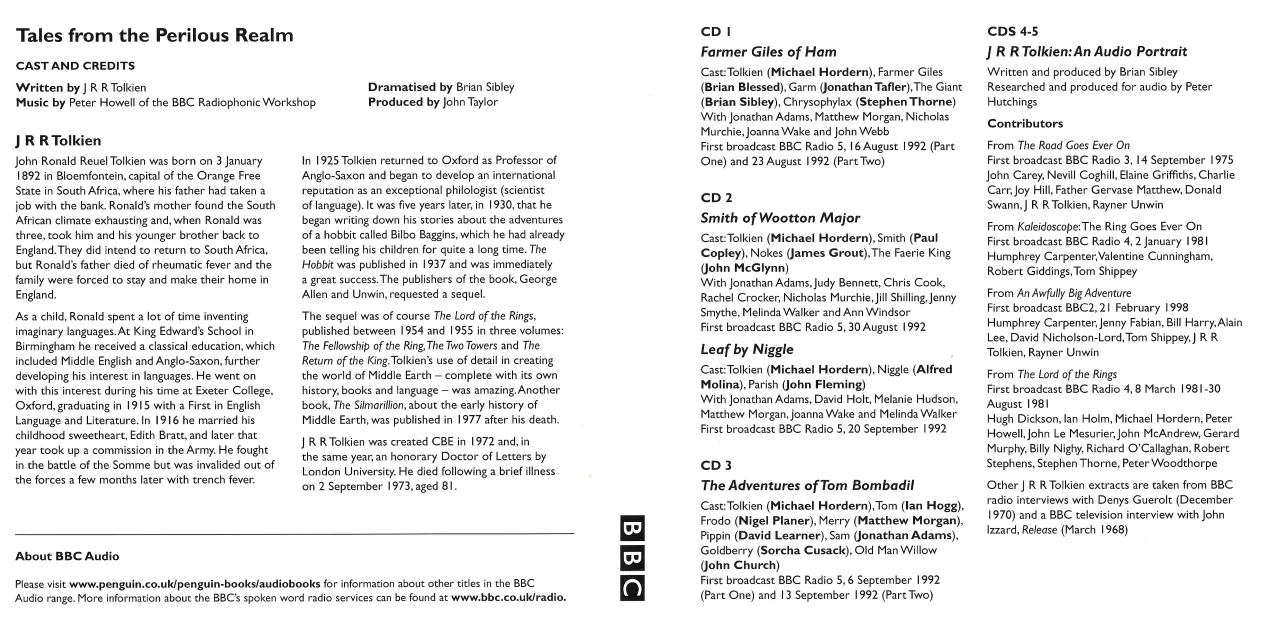
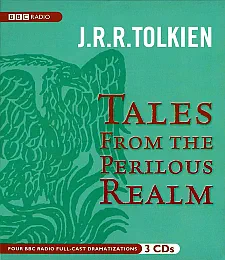
The 1992 BBC Radio 5 production of Smith of Wootton Major was part of the Tales from the Perilous Realm (BBC) series by Brian Sibley. While Farmer Giles was a romp and Tom Bombadil was an adventure, Smith is a delicate, poignant exploration of the “gift” and “burden” of Faërie.
One of the most significant changes Sibley made for radio was the addition of a framing device. In the play, the story is framed as an autobiographical tale told by an elderly Smith to children at his forge. This allowed Sibley to weave Michael Hordern’s narration more naturally into the action, as if Tolkien and Smith were sharing the duties of the storyteller.
Stephen Oliver composed a specific theme for Smith that was meant to sound like “folk-music from another world.” It heavily featured solo flute and harp, instruments traditionally associated with Faërie lore. The music was intentionally “open-ended” and never quite resolved its melodies, mimicking the feeling of a journey that never truly ends even after Smith surrenders his star.
| Role | Actor | Notes |
| Smith | Paul Copley | Played with a distinct, rural Yorkshire accent. Sibley chose this to emphasize Smith’s role as a working man – a blacksmith whose hands are in the fire while his heart is in Faërie. |
| Nokes (The Cook) | James Grout | Portrayed as the ultimate anti-Faërie figure. Grout used a pompous, dismissive, and slightly wheezy tone to represent the mundane world that refuses to believe in anything beyond its own stomach. He also played the King in Farmer Giles of Ham and had previously played Barliman Butterbur in the 1981 Lord of the Rings series. |
| The Faërie King | John McGlynn | Played with a subtle Scottish accent, giving the King a slightly otherworldly and noble quality that contrasted with the English rural tones of the village. |
| Alf (Prentice) | Nicholas Murchie | Played with a youthful, observant quietness, hinting at his hidden identity long before the reveal. |
The “Star” Effect. When Smith swallows the silver star, and later when it shines on his forehead, the sound designers used a high-pitched, shimmering chime layered with a very tight, digital “shimmer” reverb. This audio cue signaled Smith’s transition from the mundane village to the heightened reality of Faërie.
Acoustic “Depth” in Faërie. Unlike the village scenes, which were recorded with “dry,” close-miked acoustics to feel small and domestic, the Faërie sequences used expansive stereo-width. The sound of the “Wind of the Marches” was created using filtered white noise layered with high-frequency synthesized “sighs,” making the listener feel like they were standing in a vast, open space.
The Faërie Queen’s Voice: When Smith meets the Queen, her voice was processed with a Harmonizer to add a subtle, ghost-like octave above her natural speaking voice. This made her sound both intimate and impossibly grand.