
0

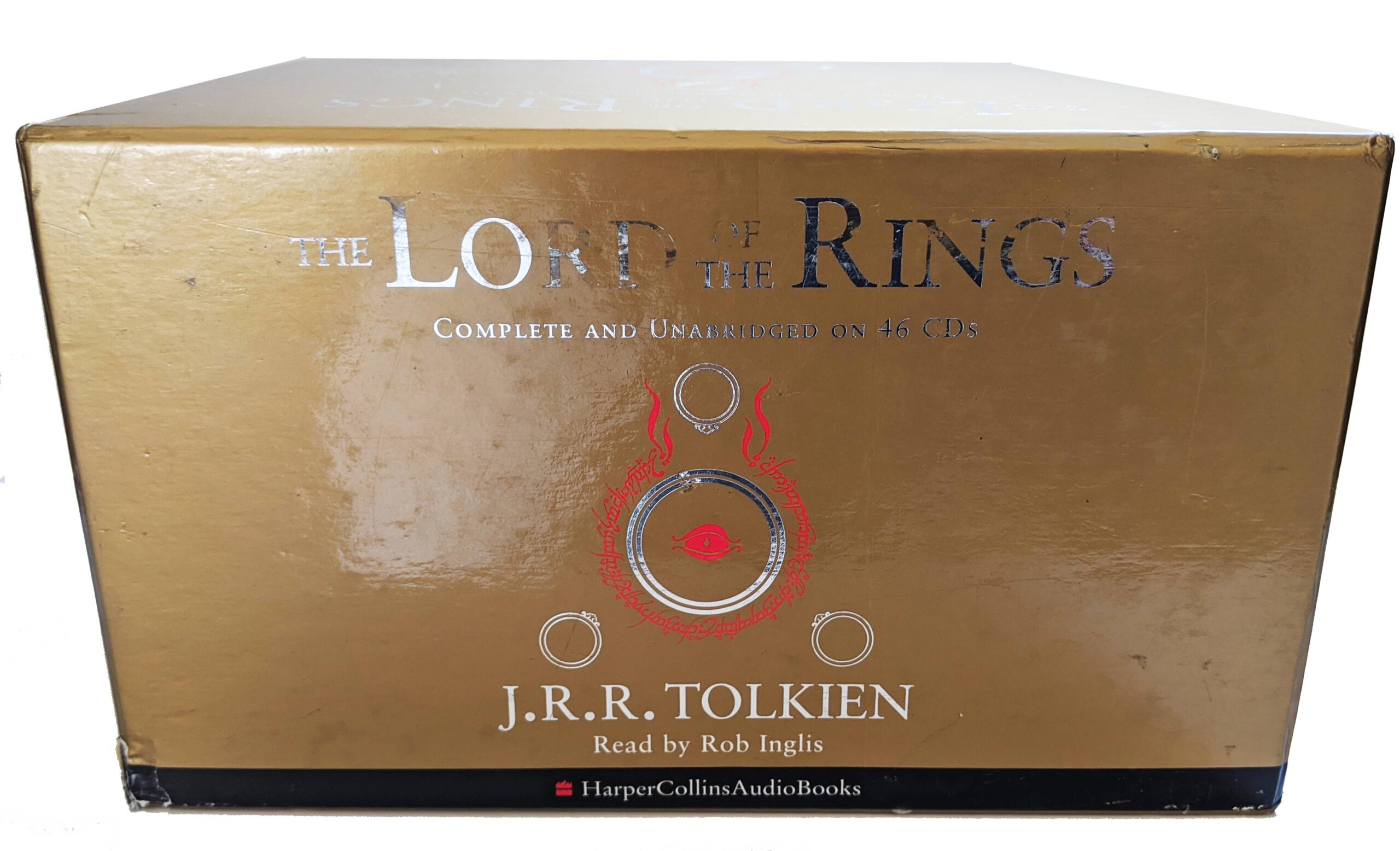
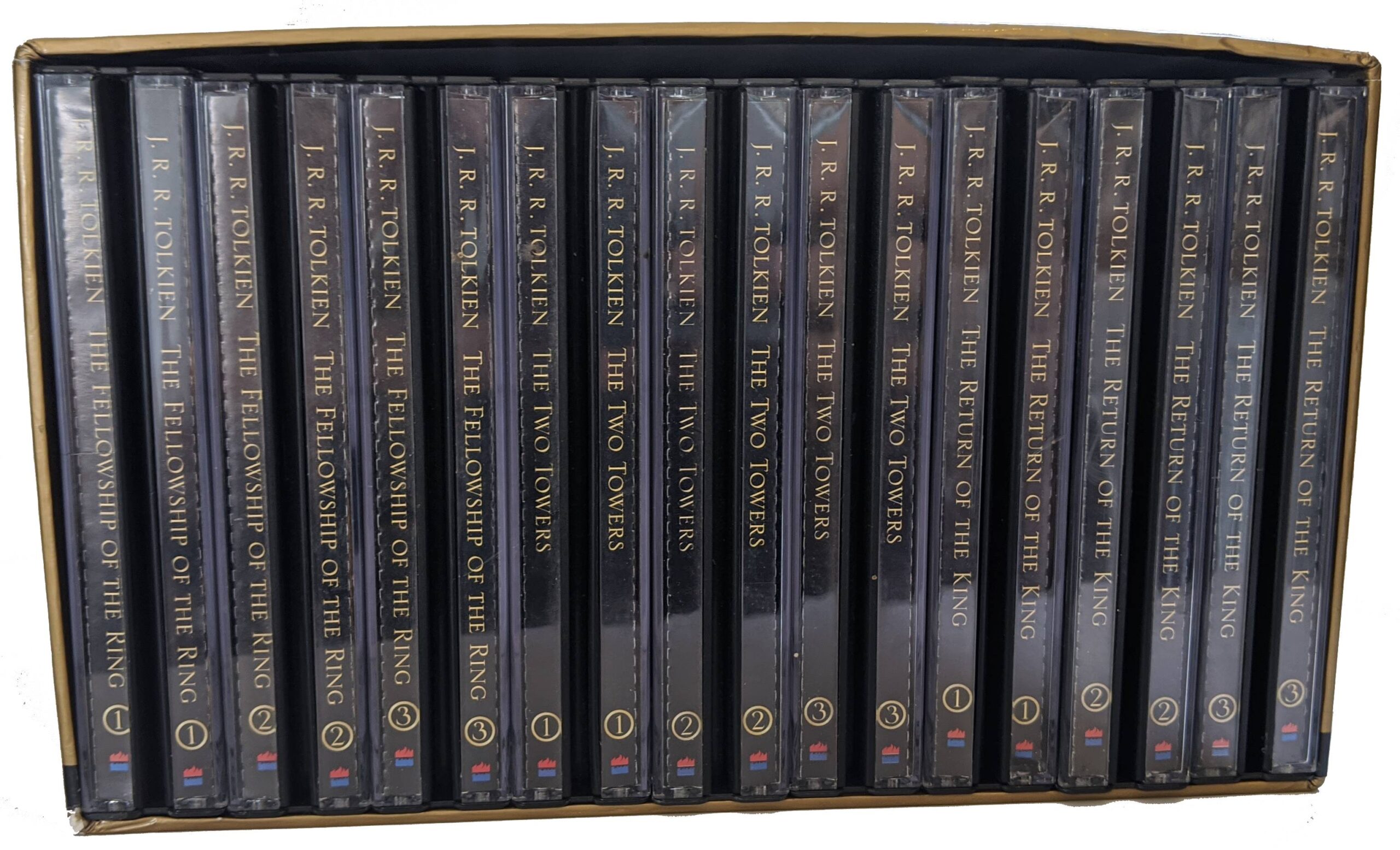
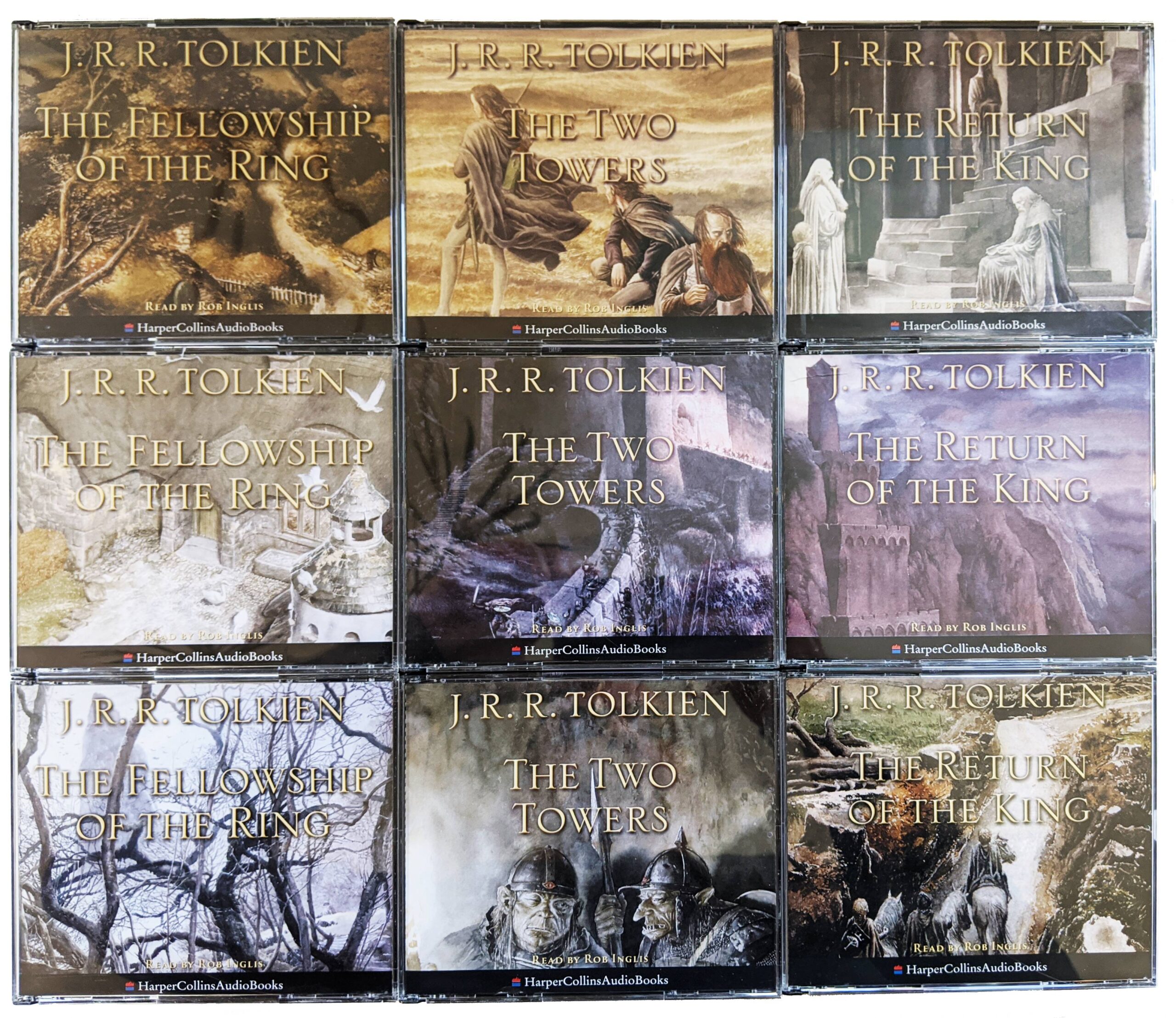
1990 The Lord of the Rings (Rob Inglis)
Release Date: 1990
Reader: Rob Inglis
Language: English
Organization: Recorded Books Inc
Publisher: Recorded Books Inc
ISBN: See Below
Duration: 53 hours 55 minutes
Unabridged: Yes
Country: USA
Licenced: Yes
Formats: Cassette, CD, Digital
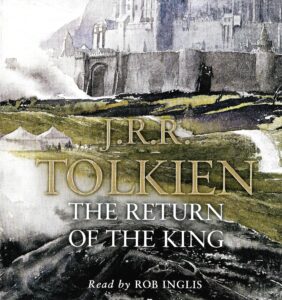
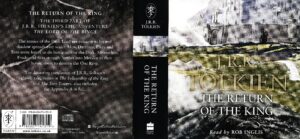
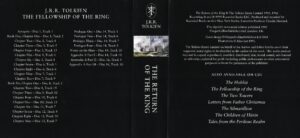
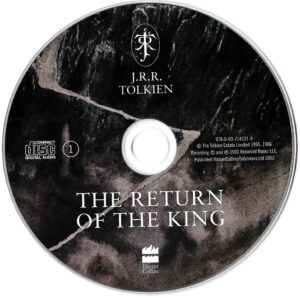
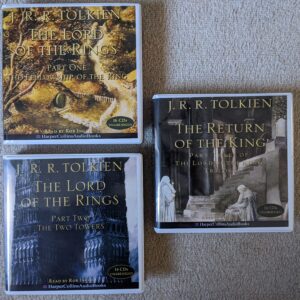
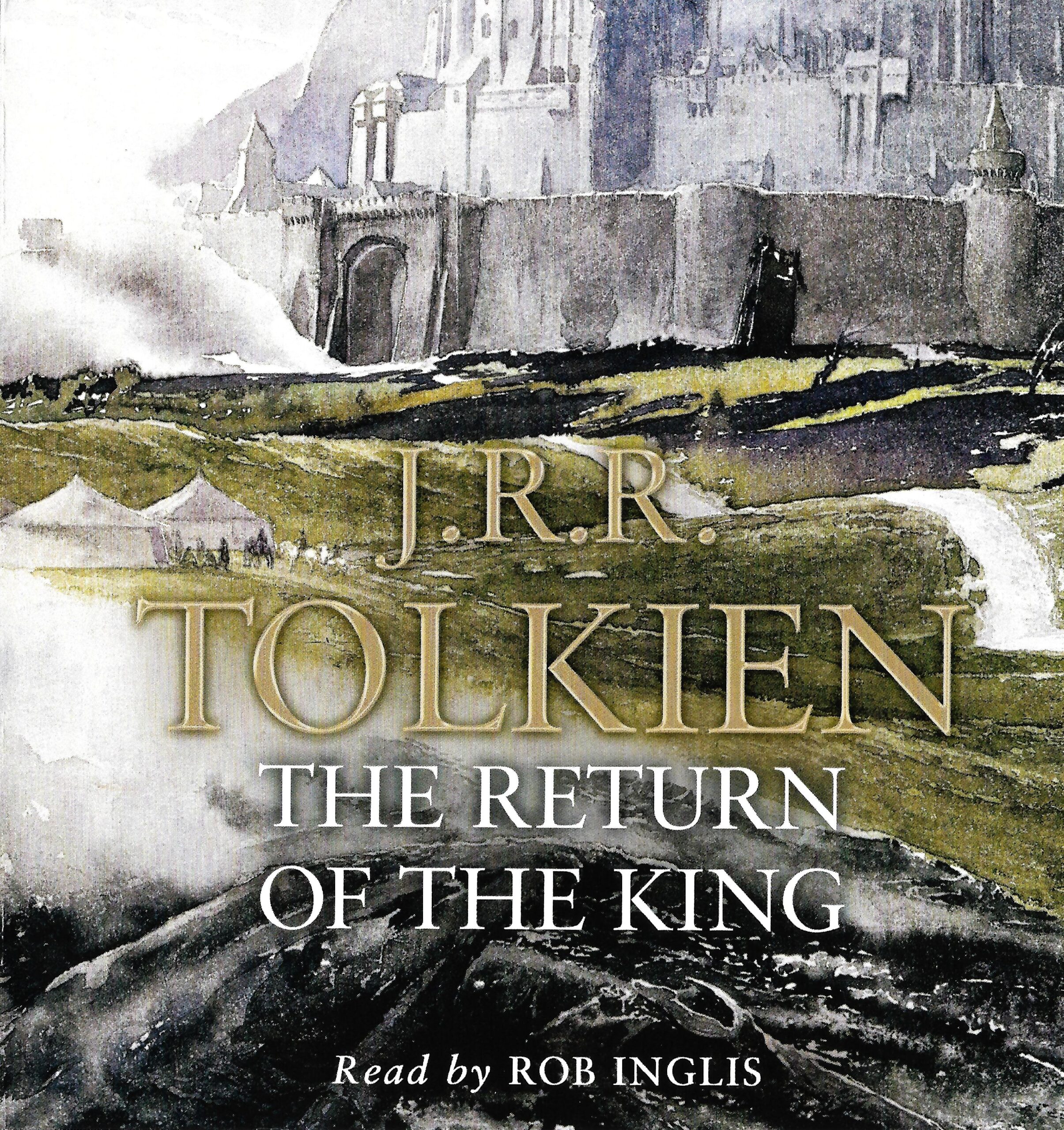
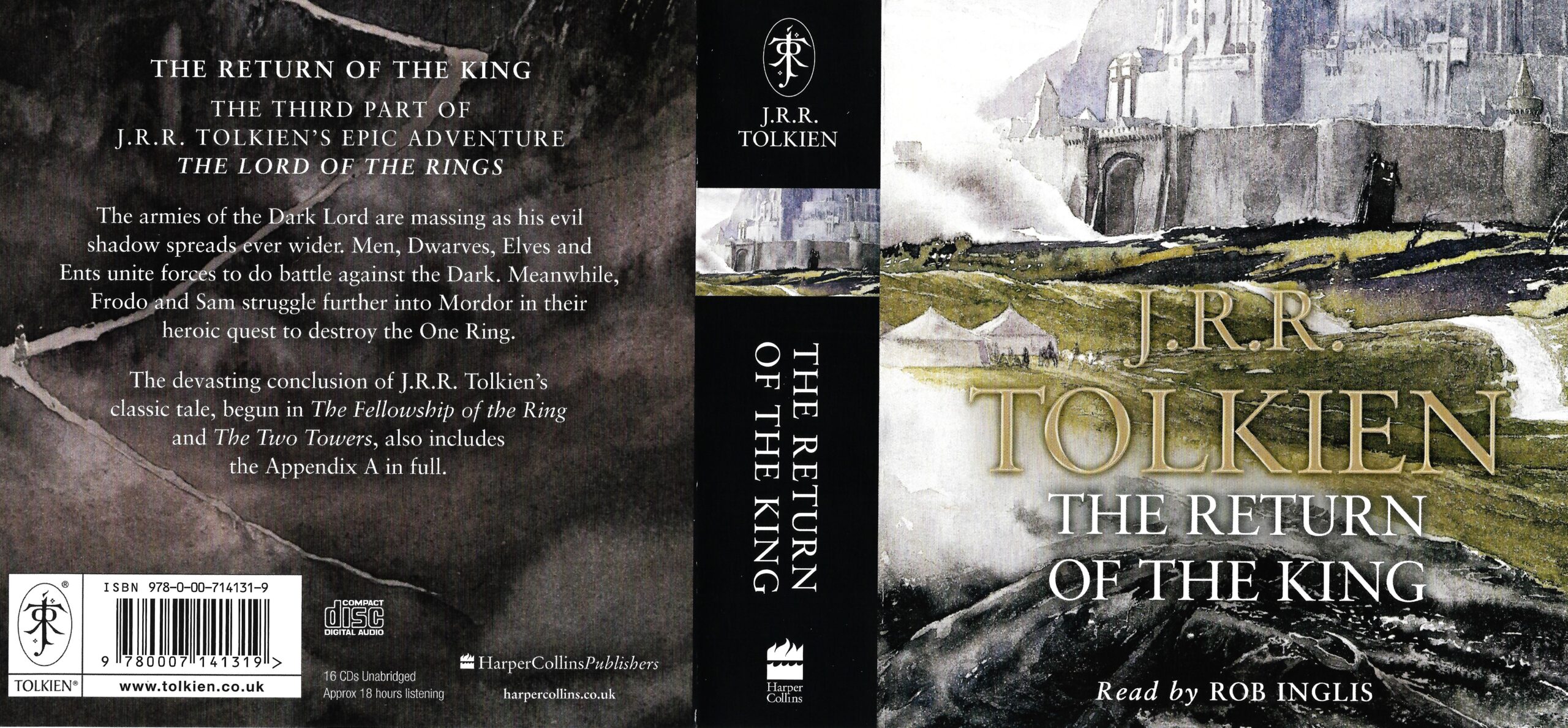
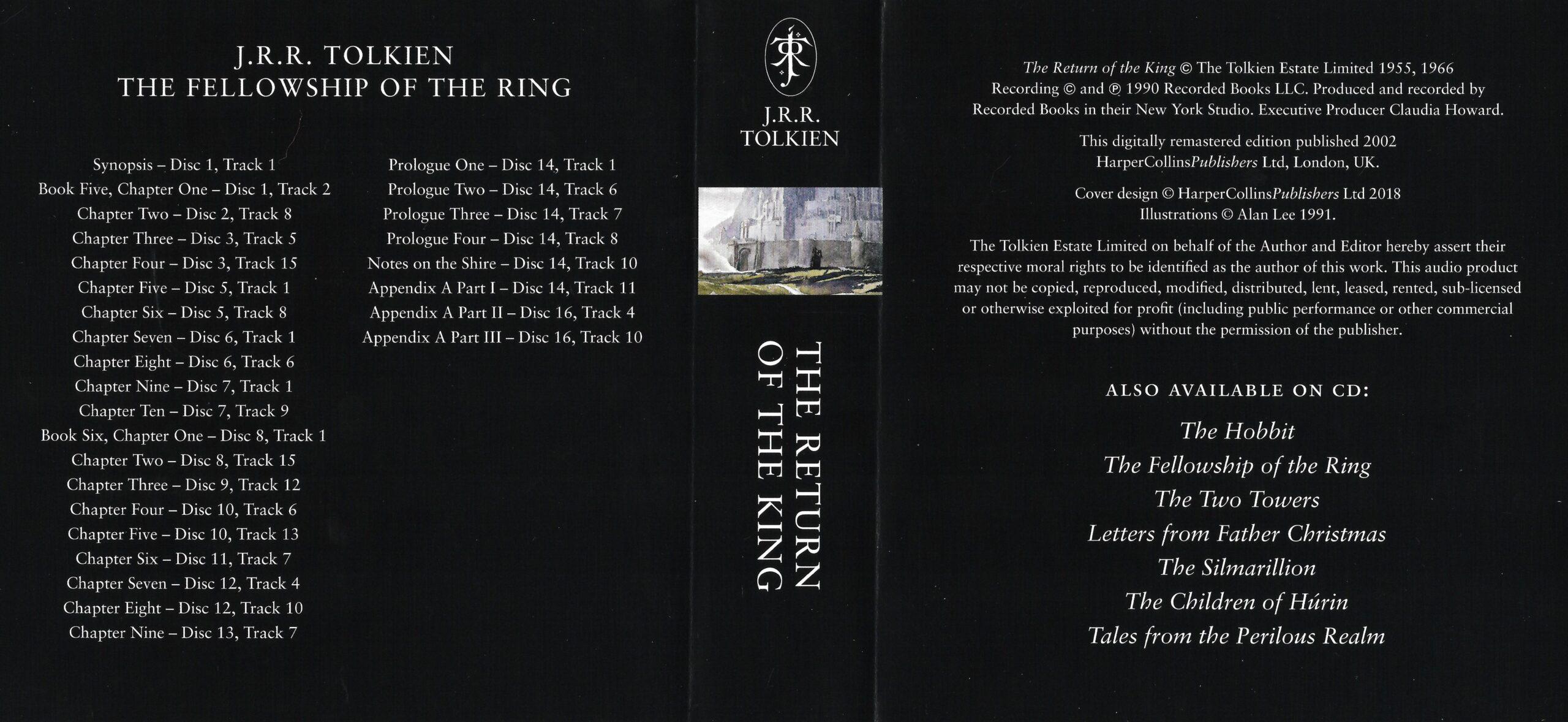
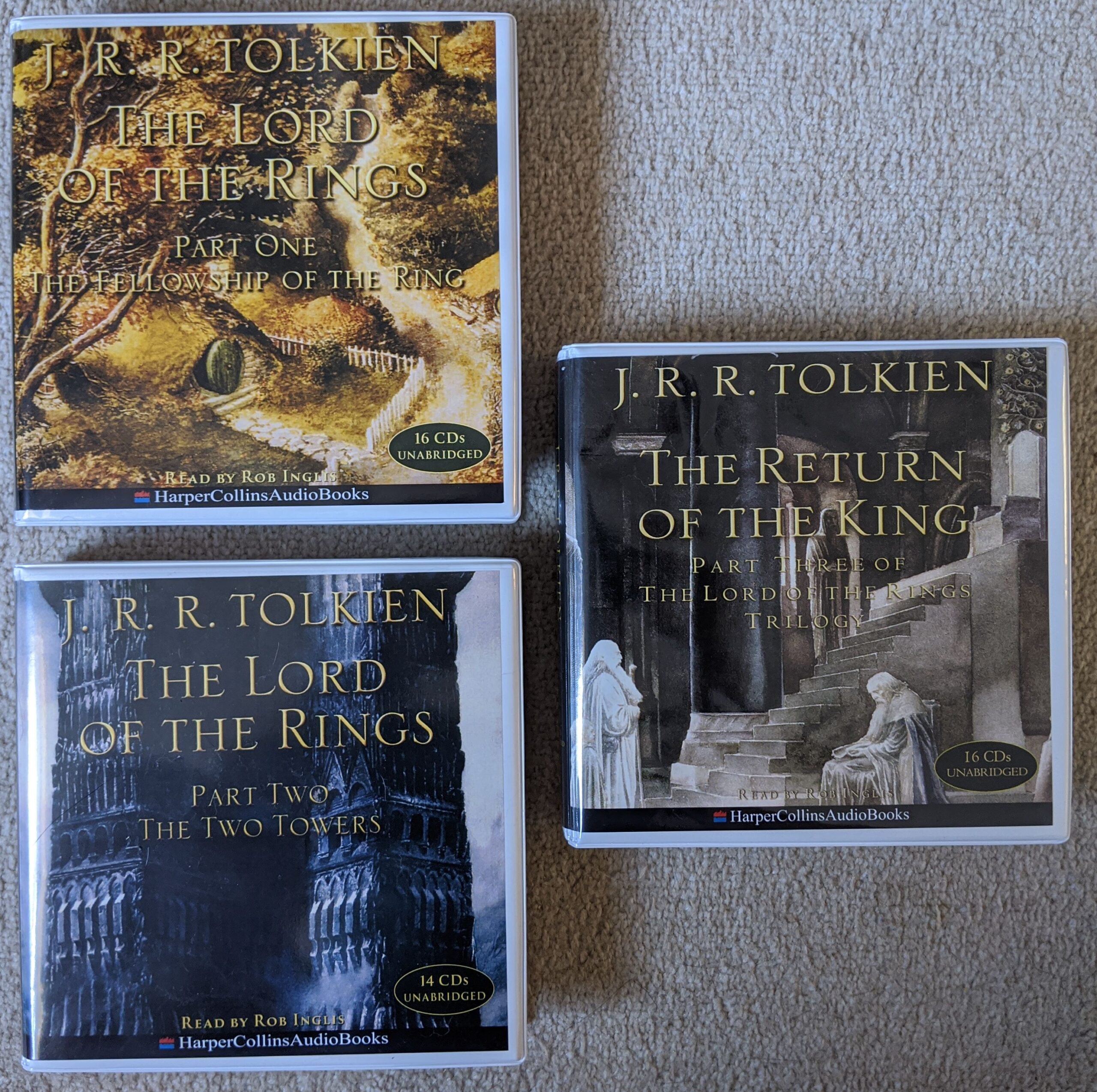
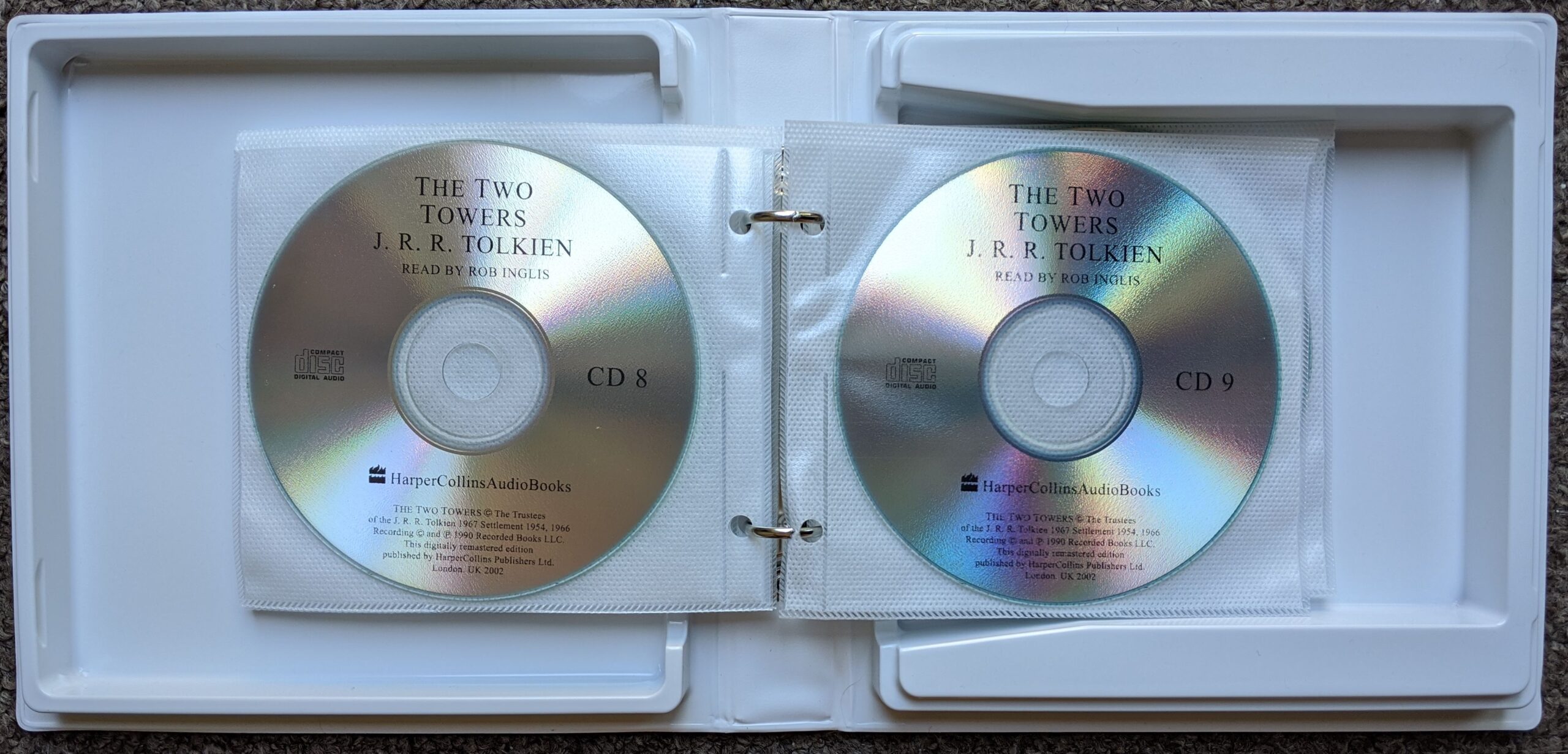
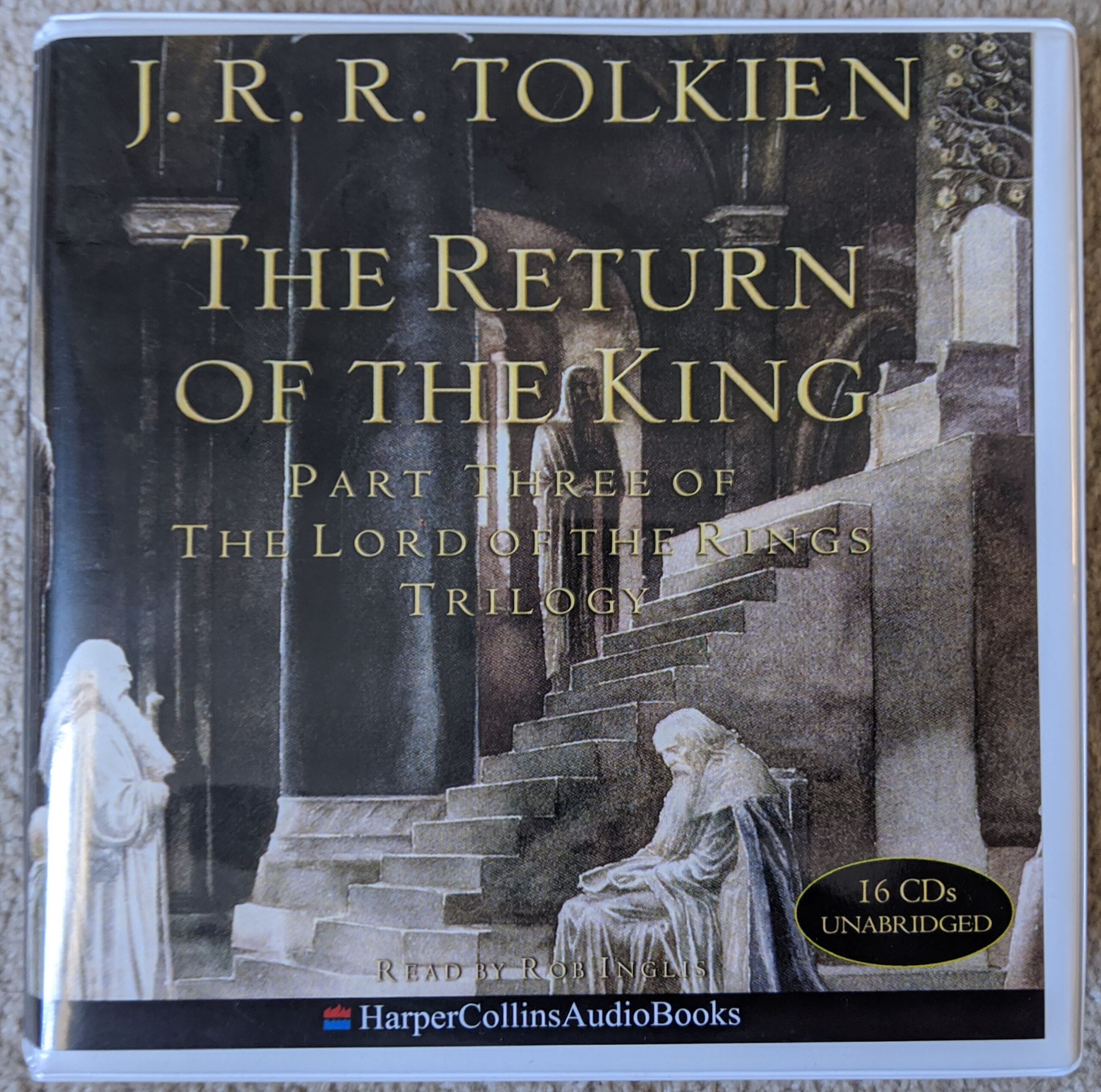
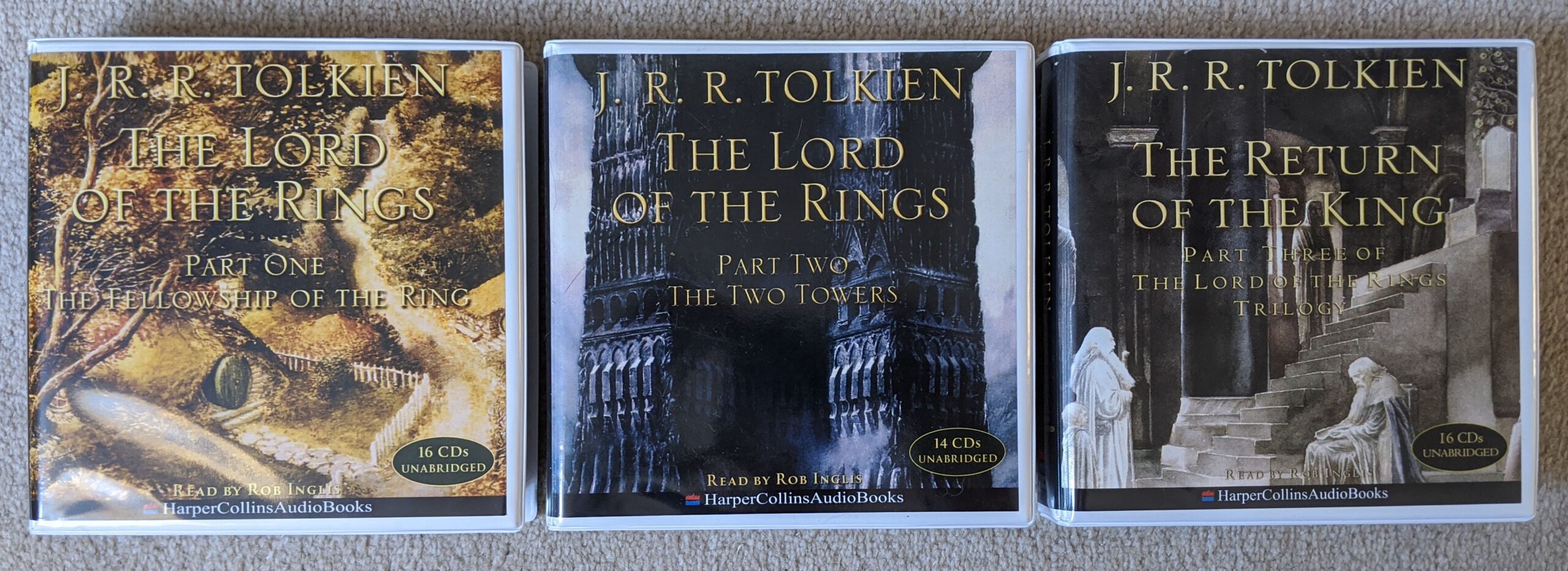
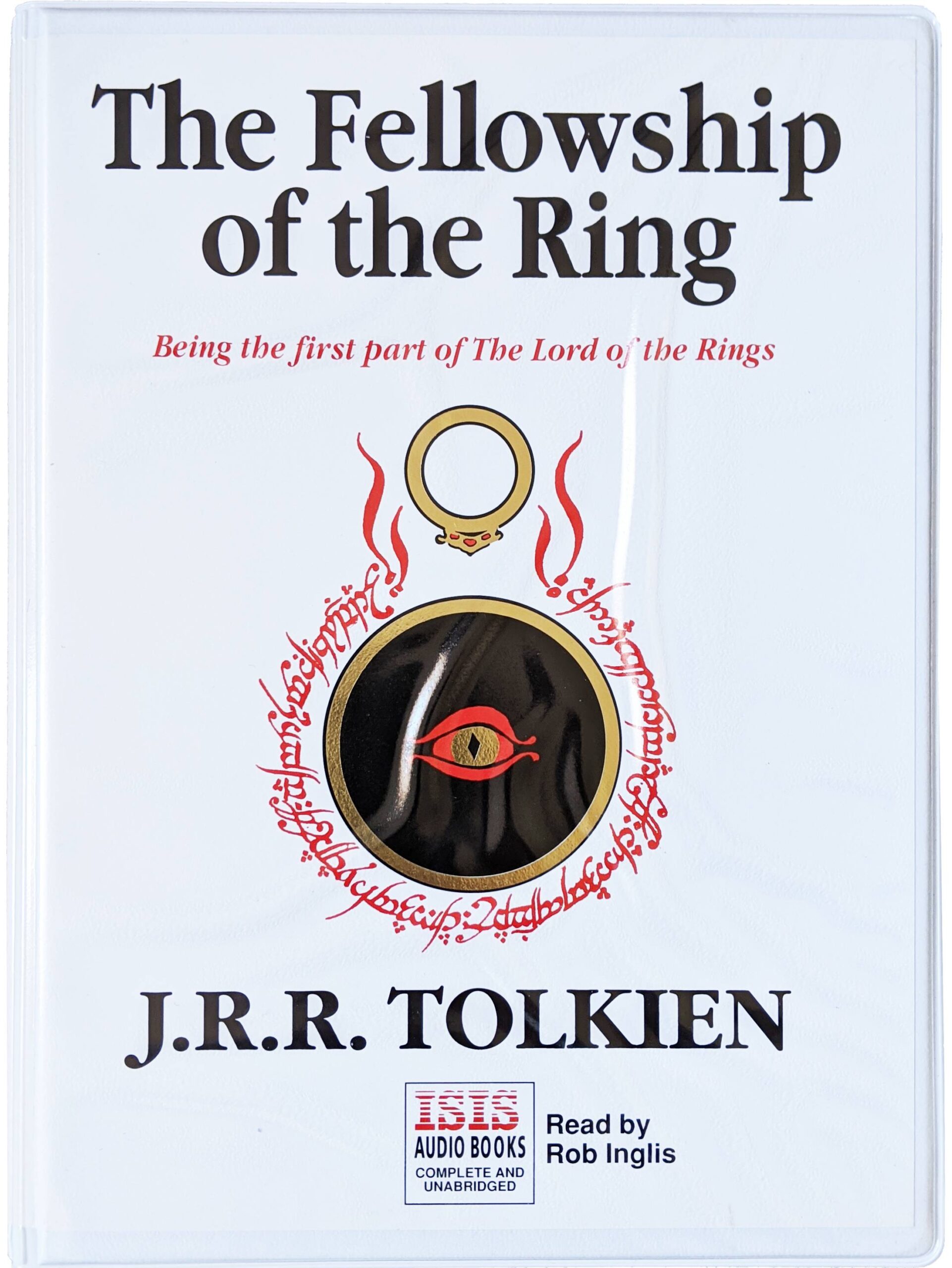
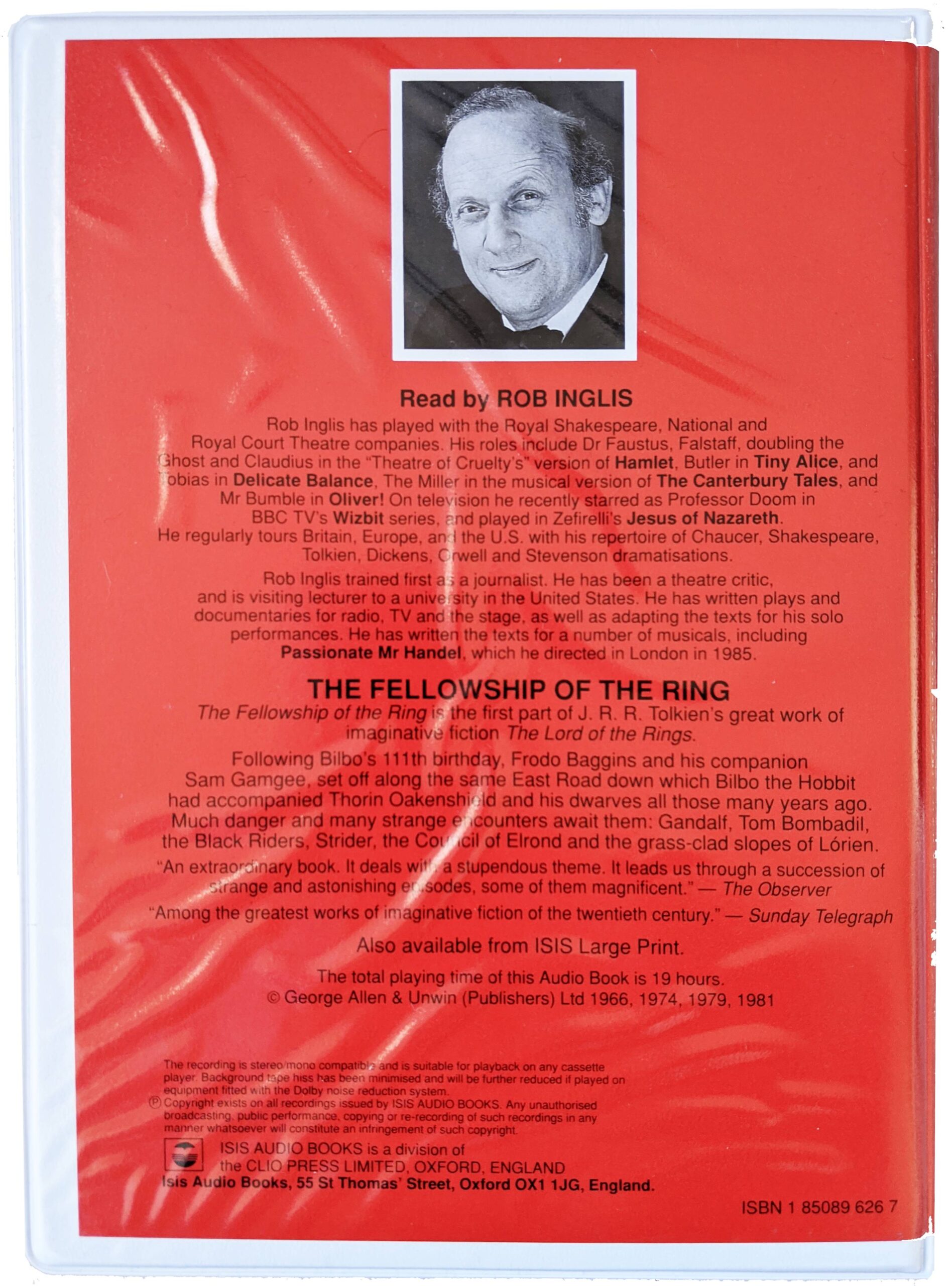
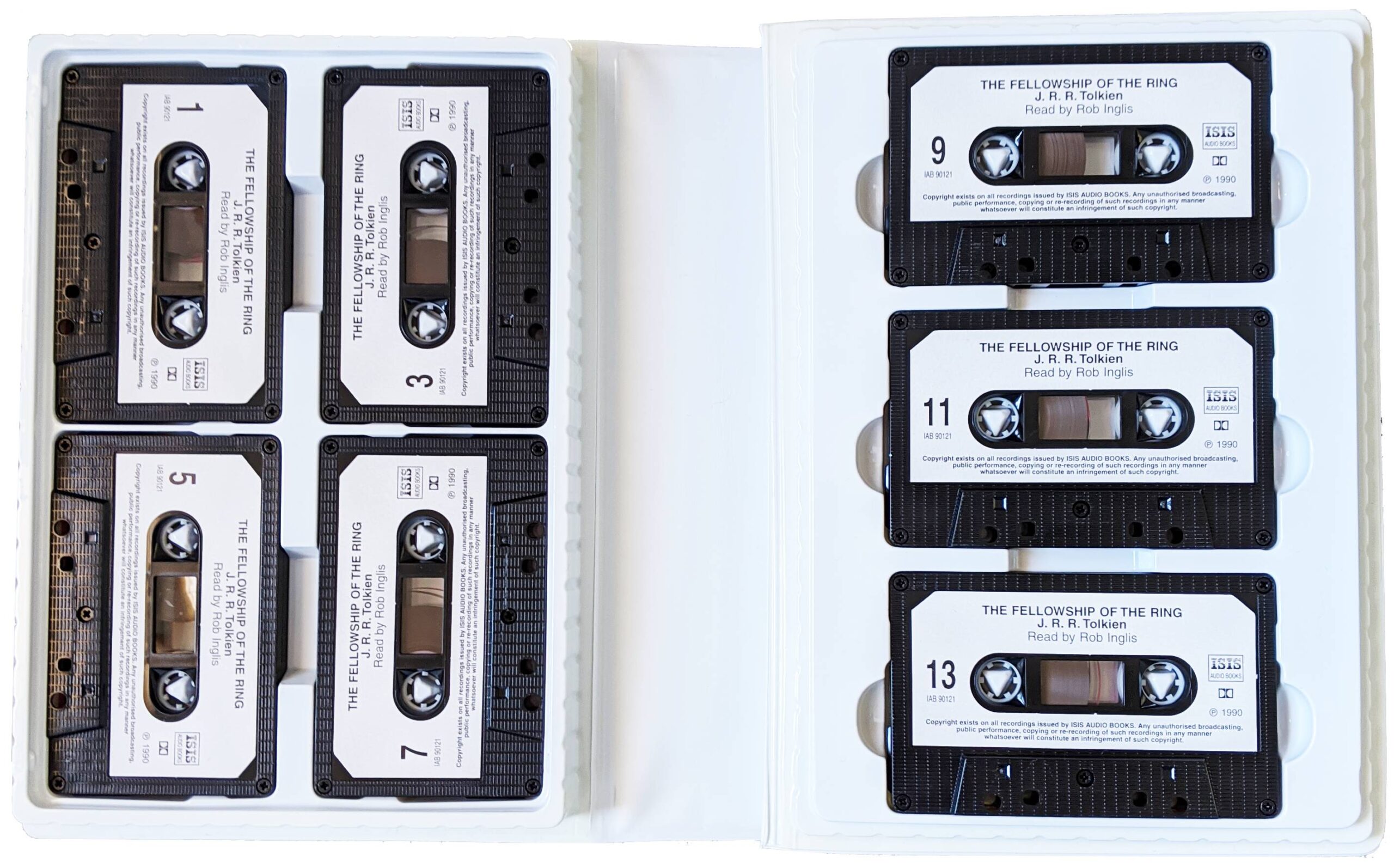
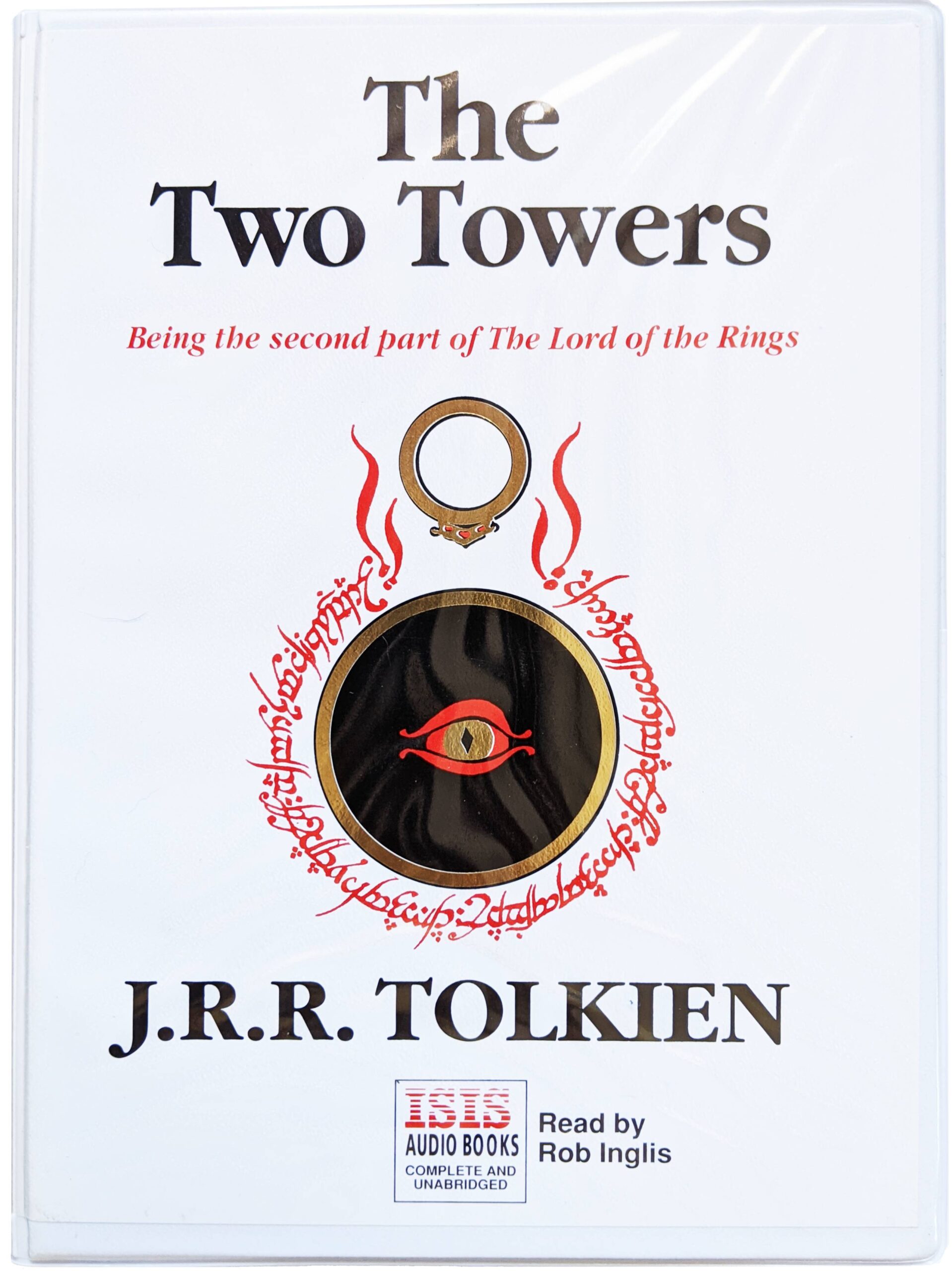
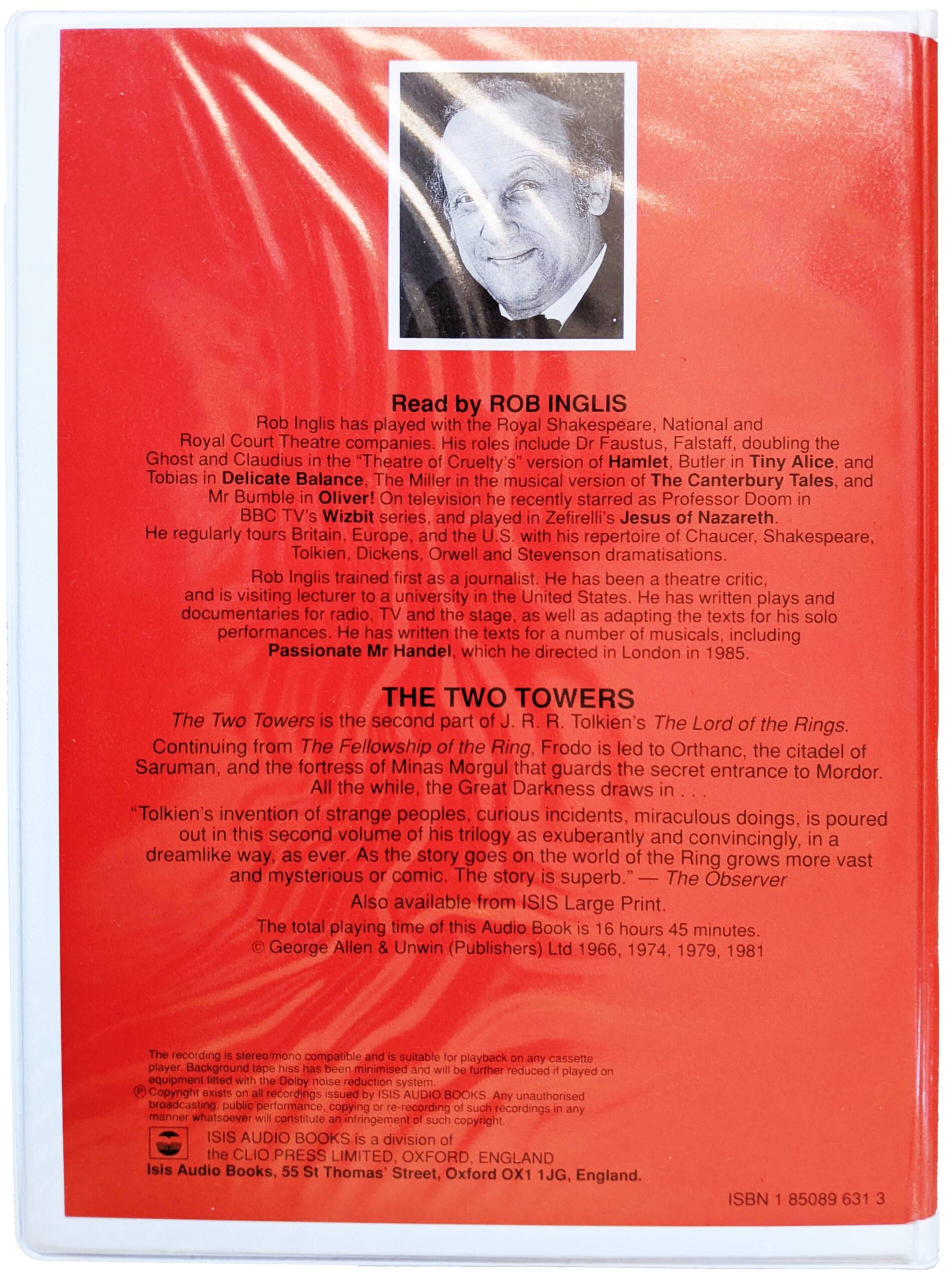
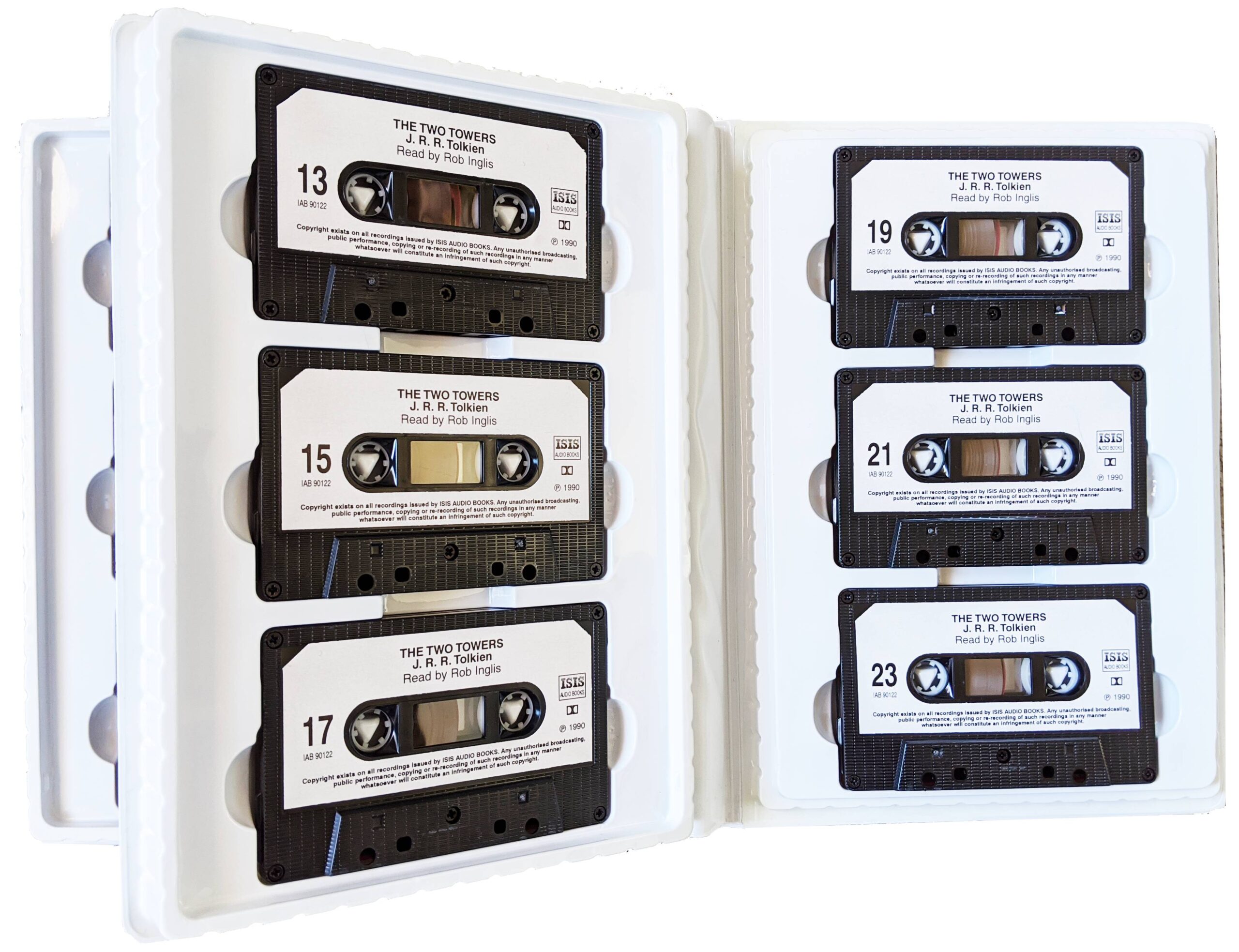
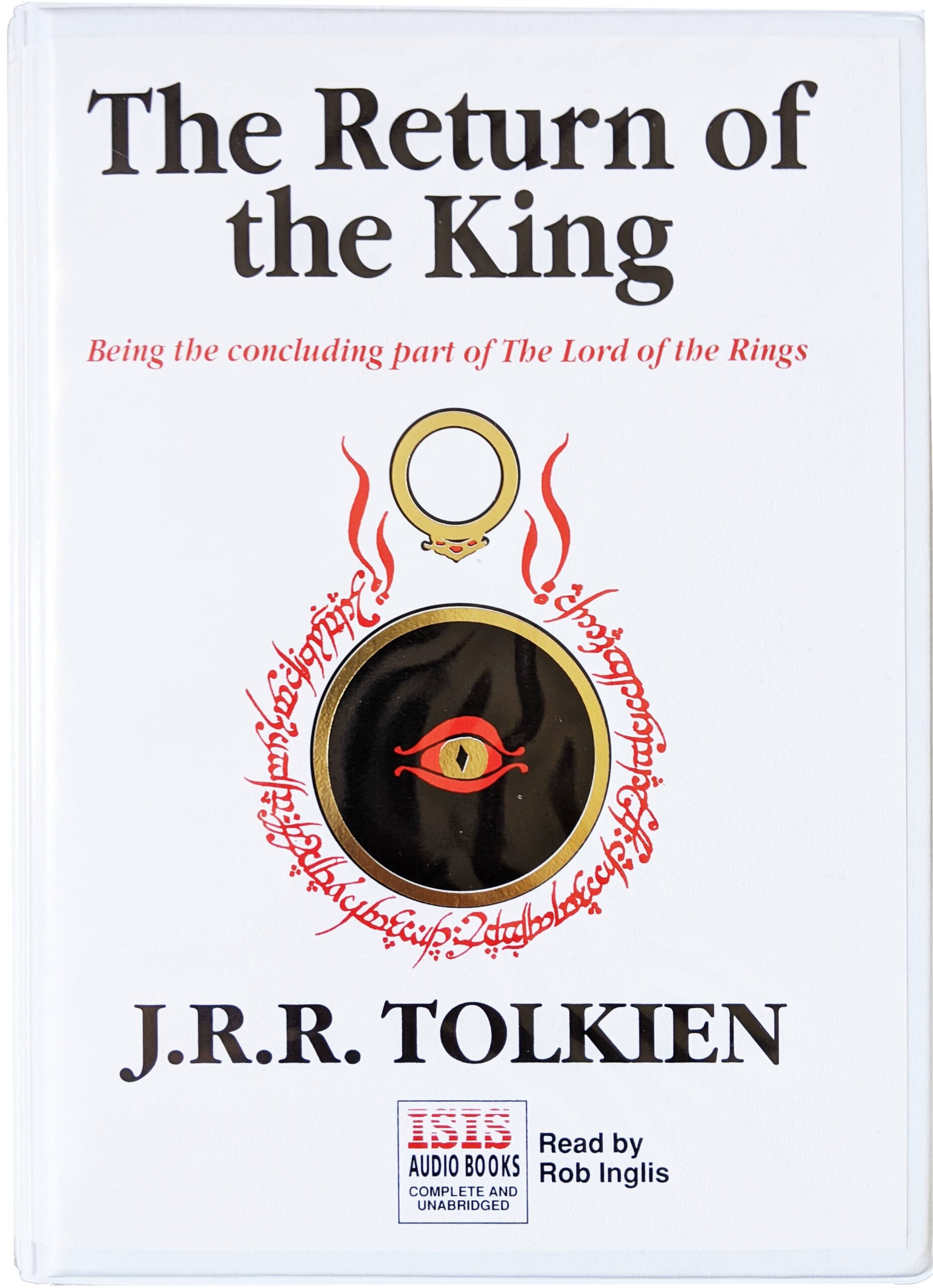
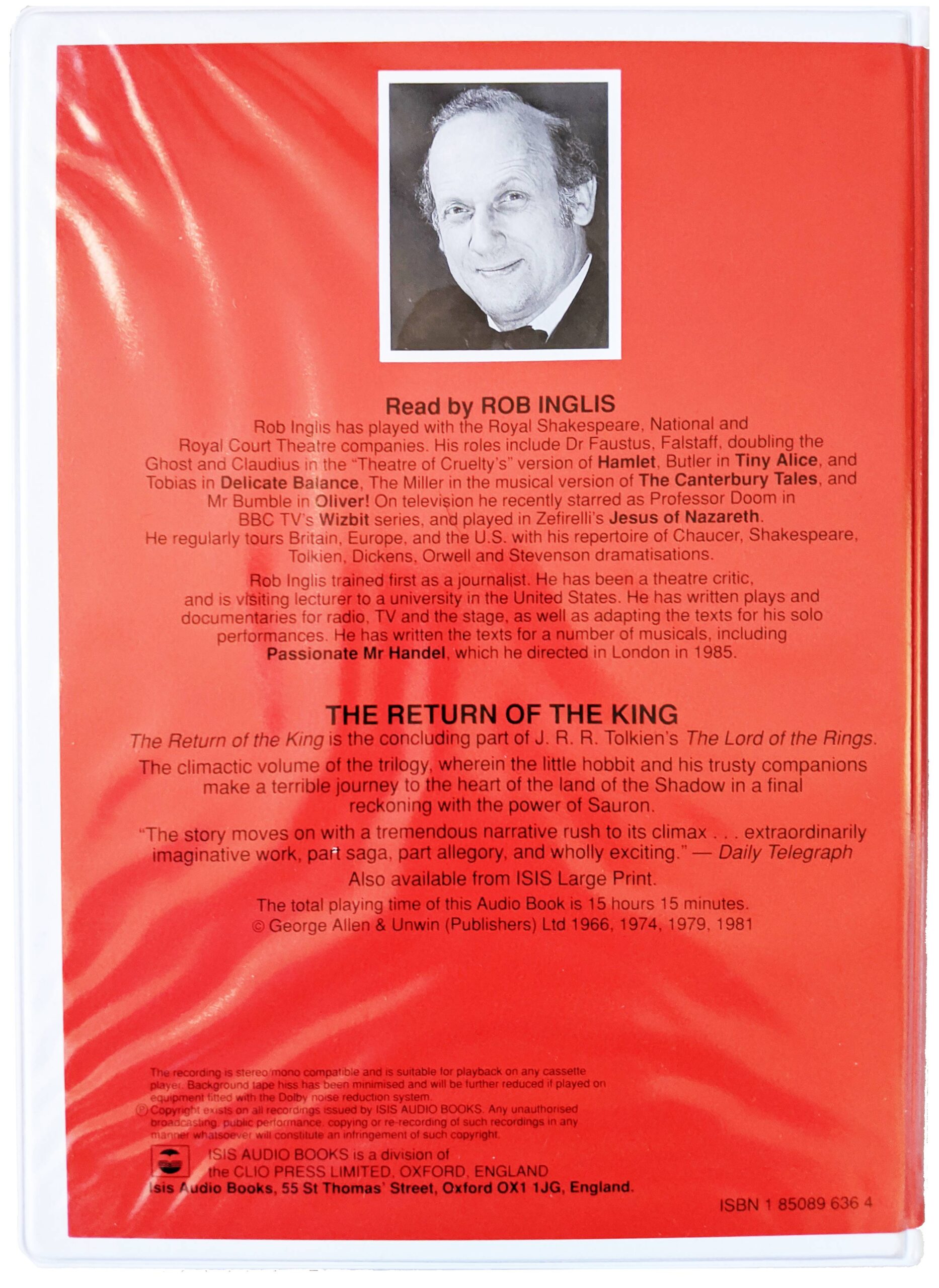
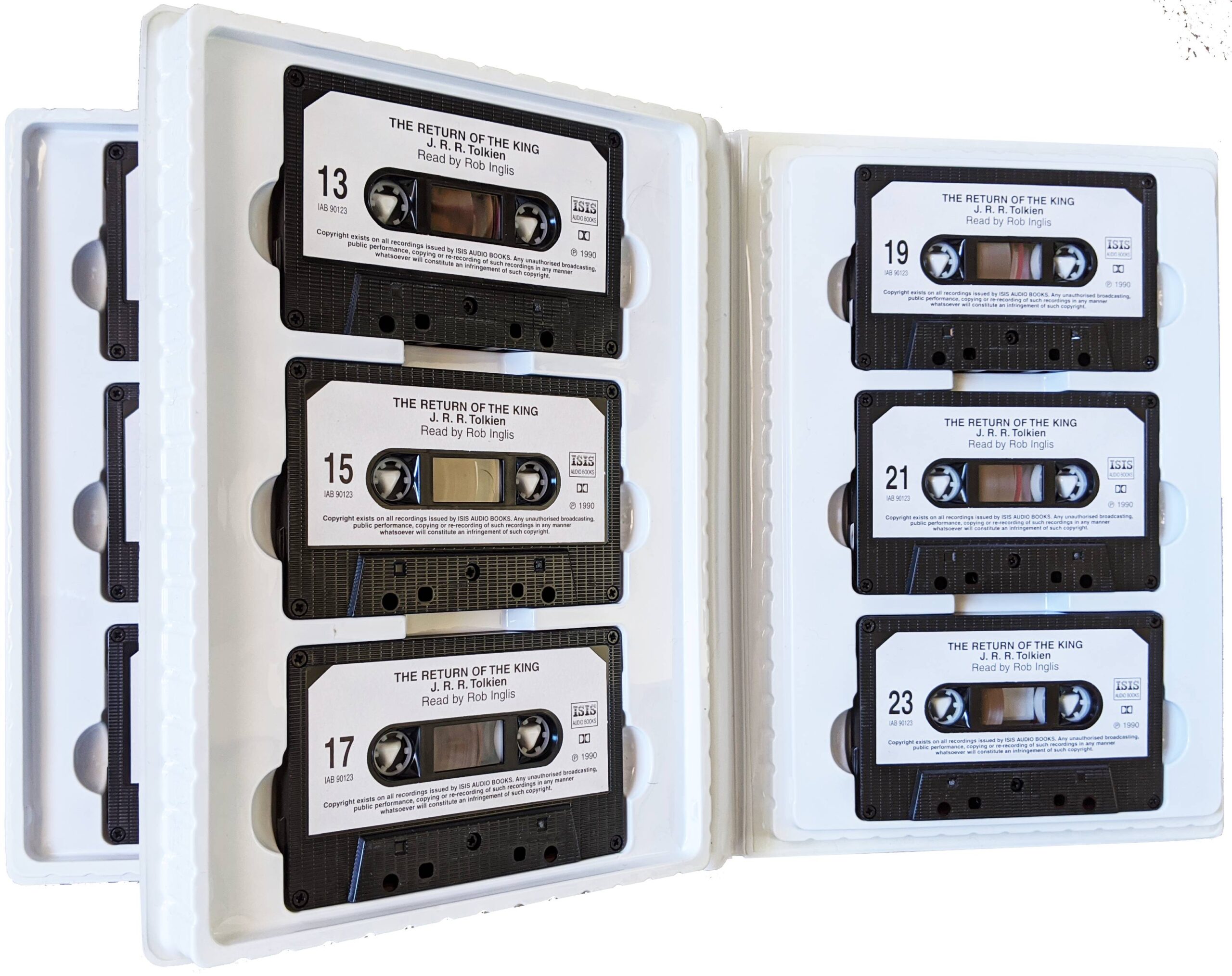
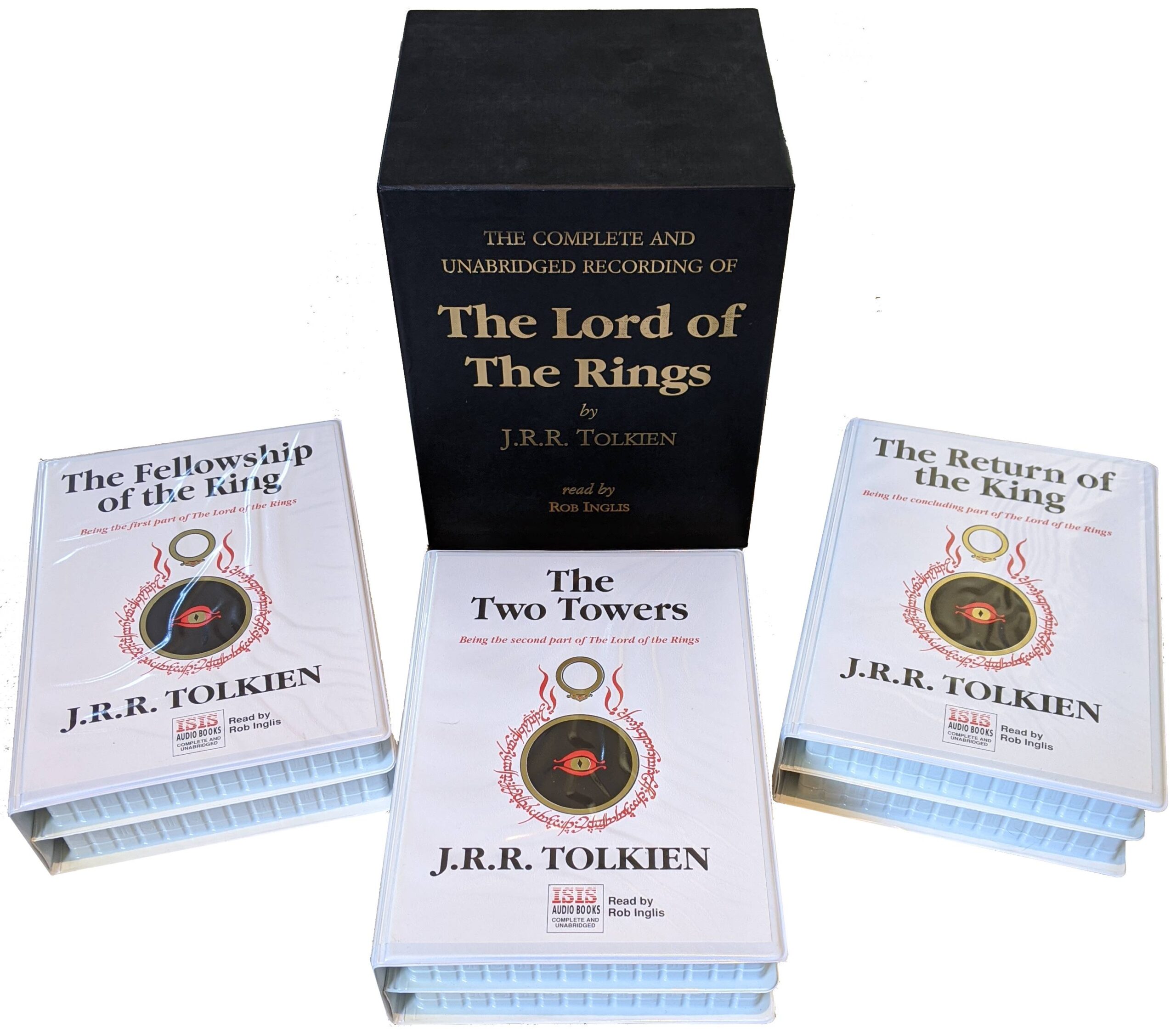
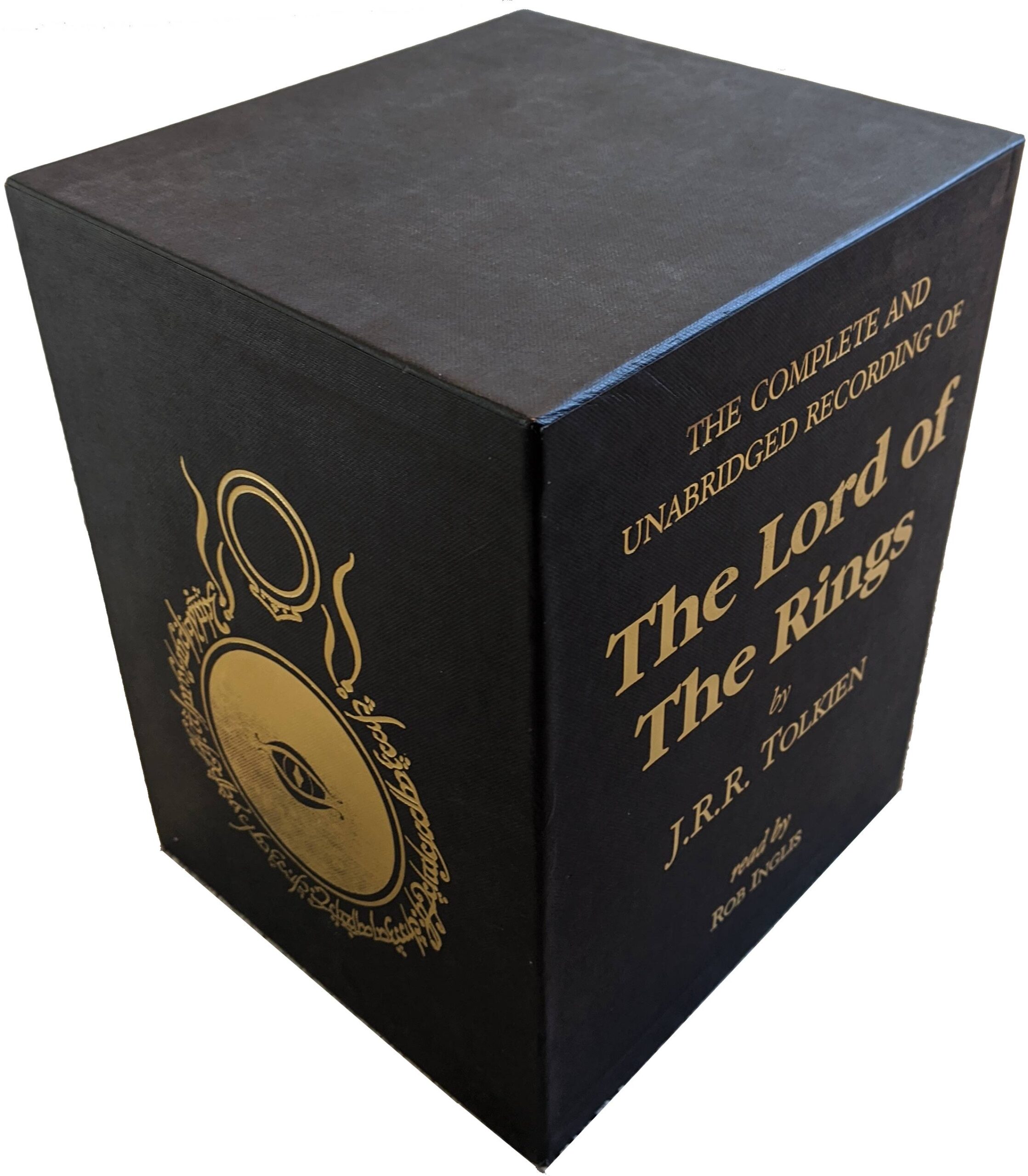
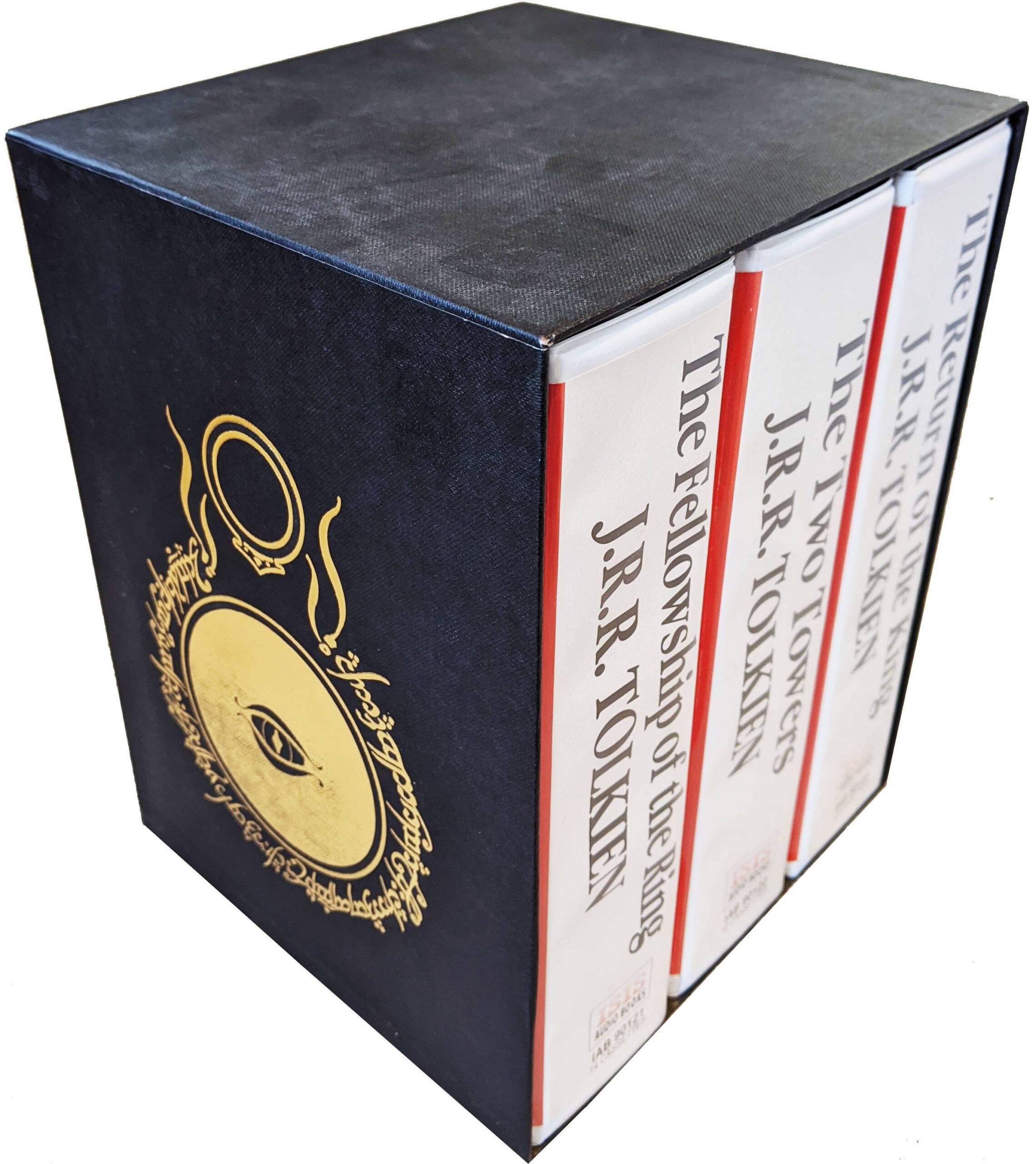
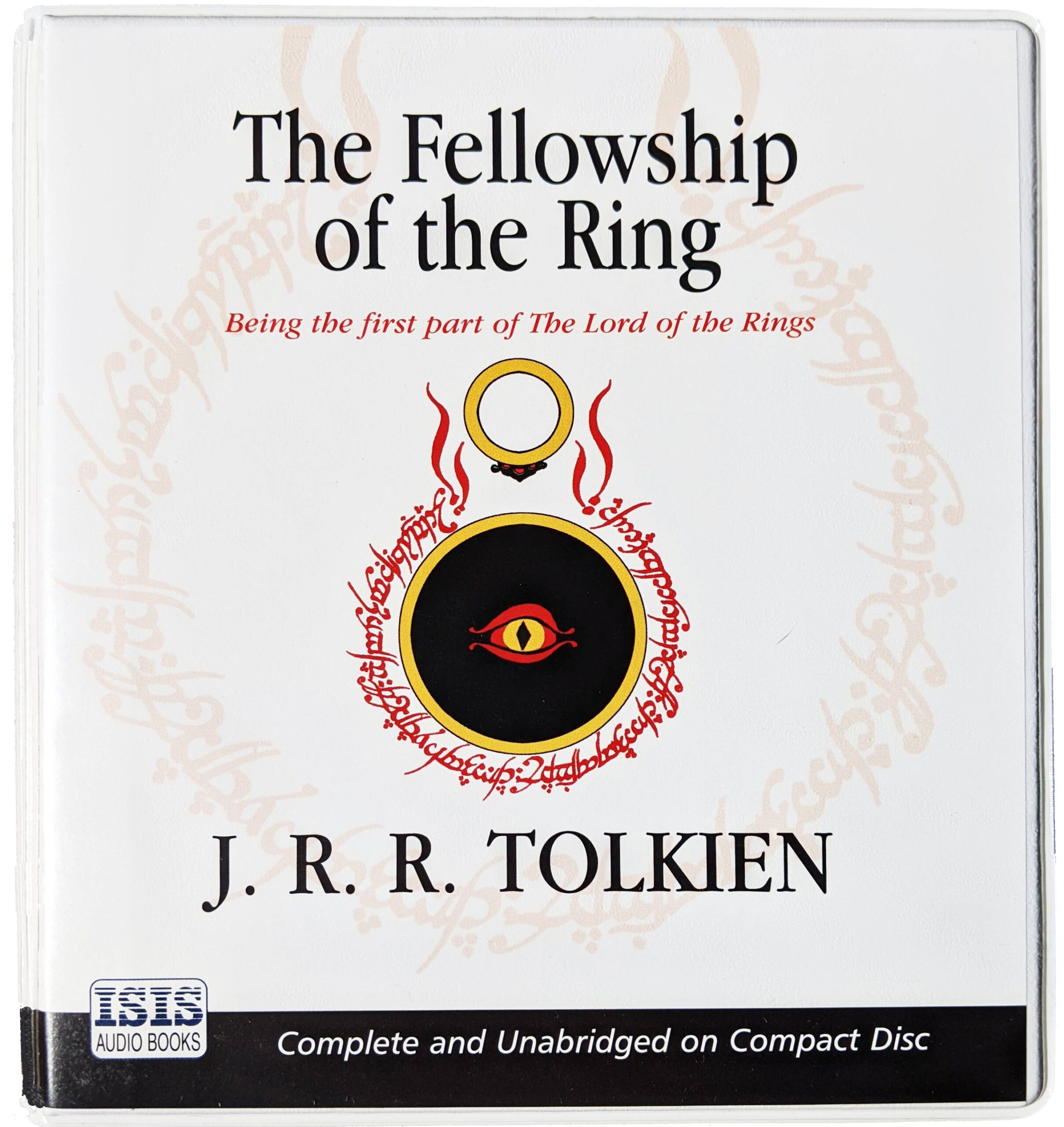
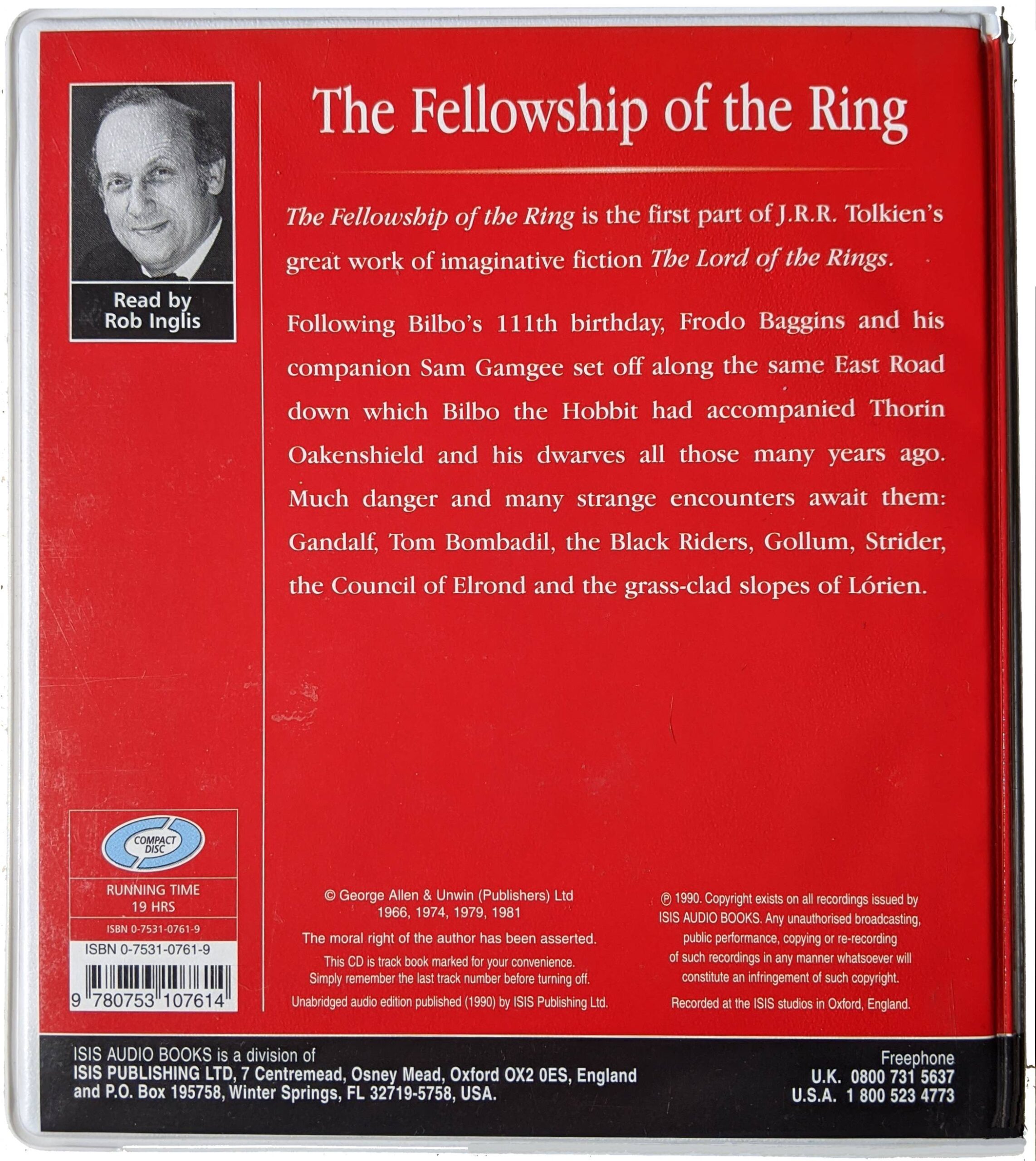
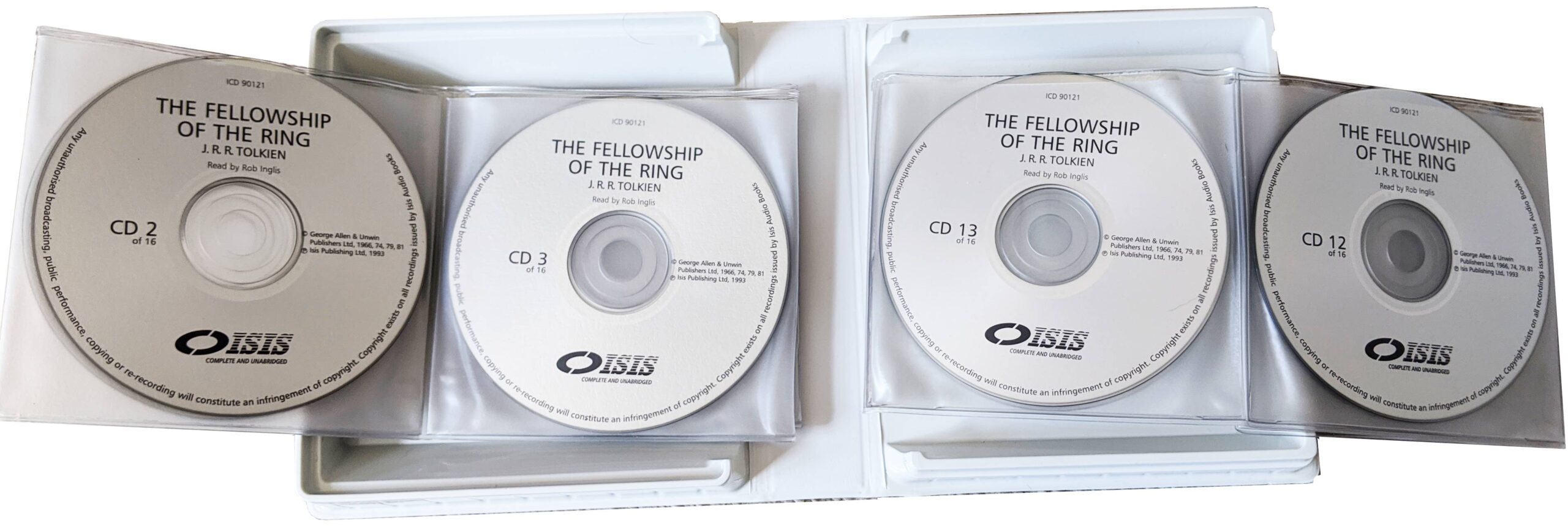
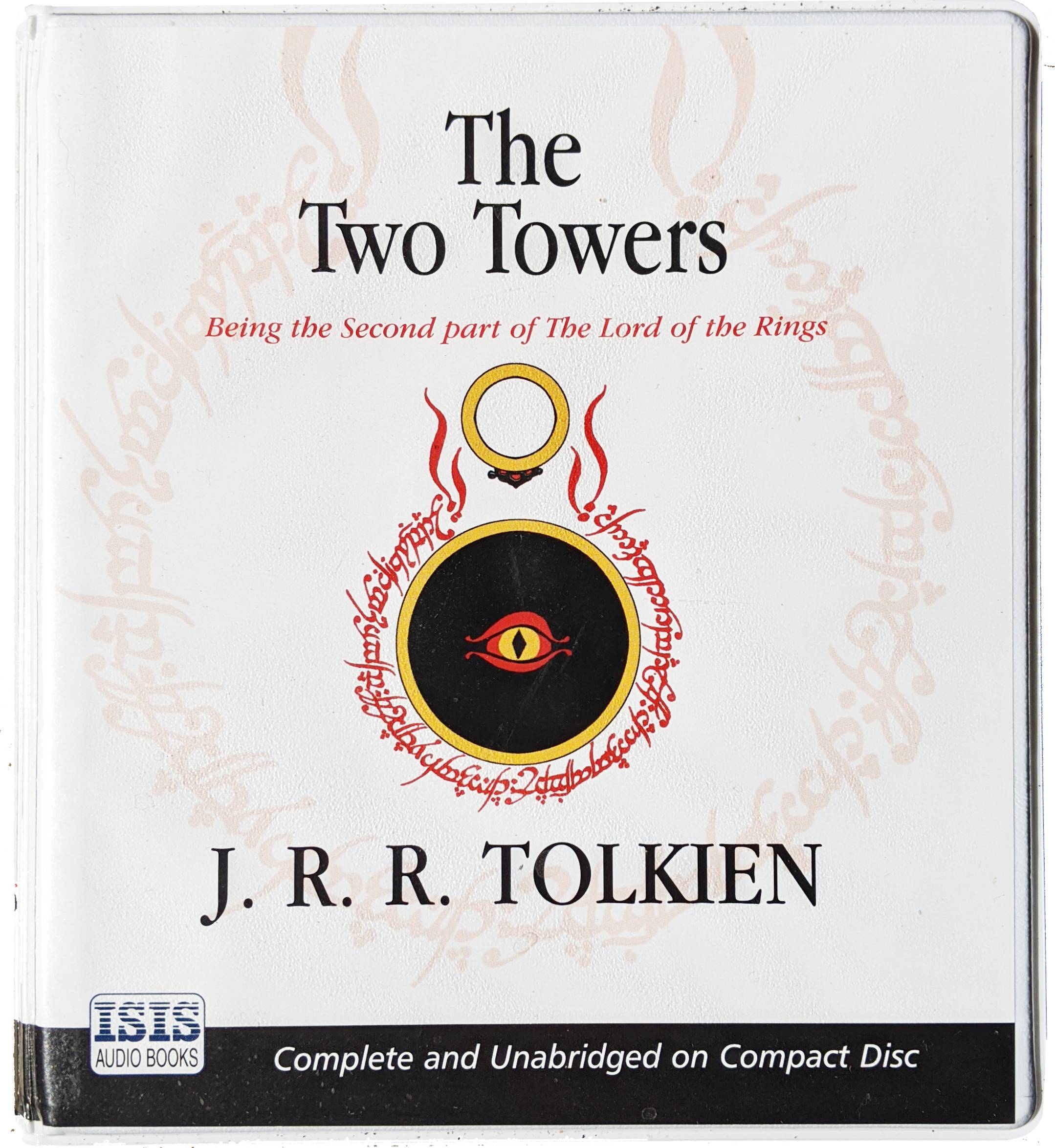
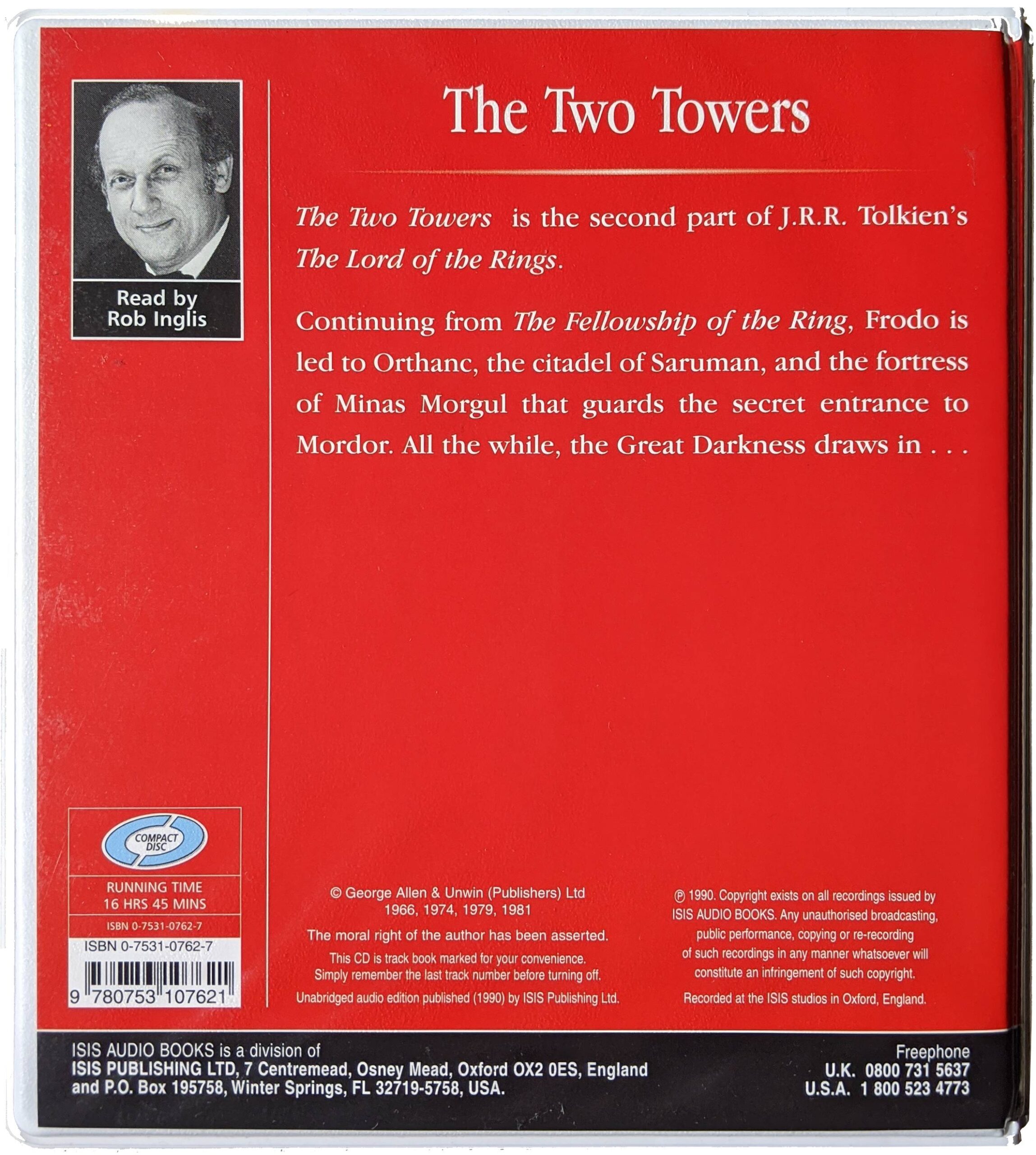
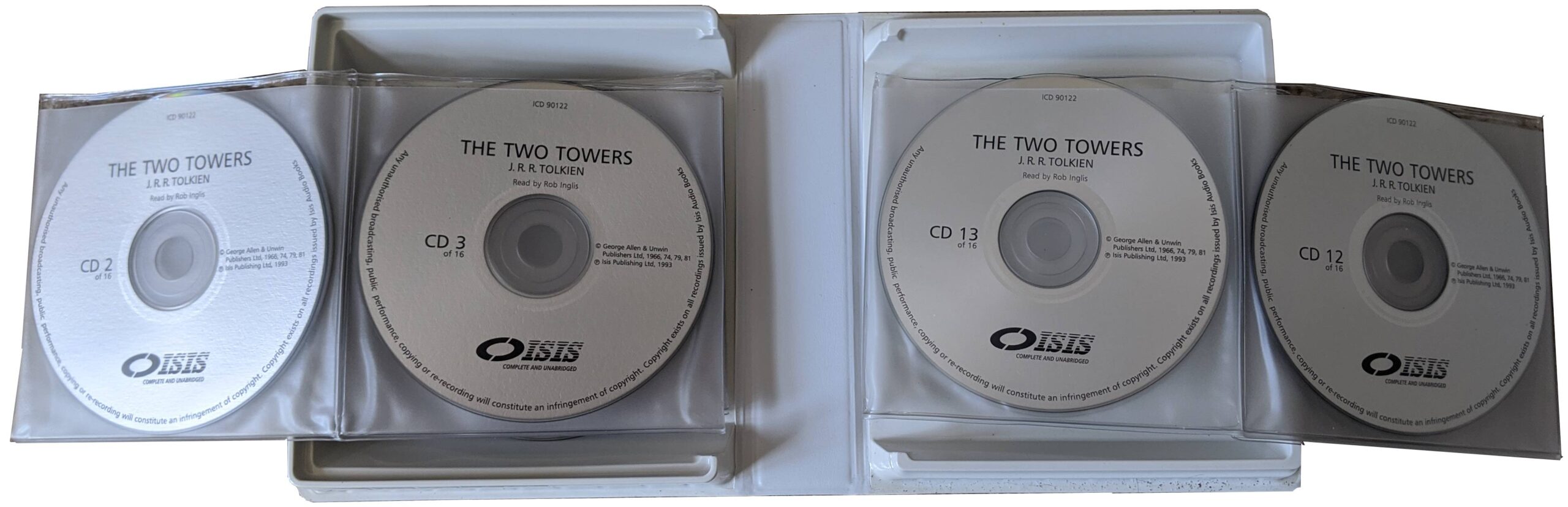
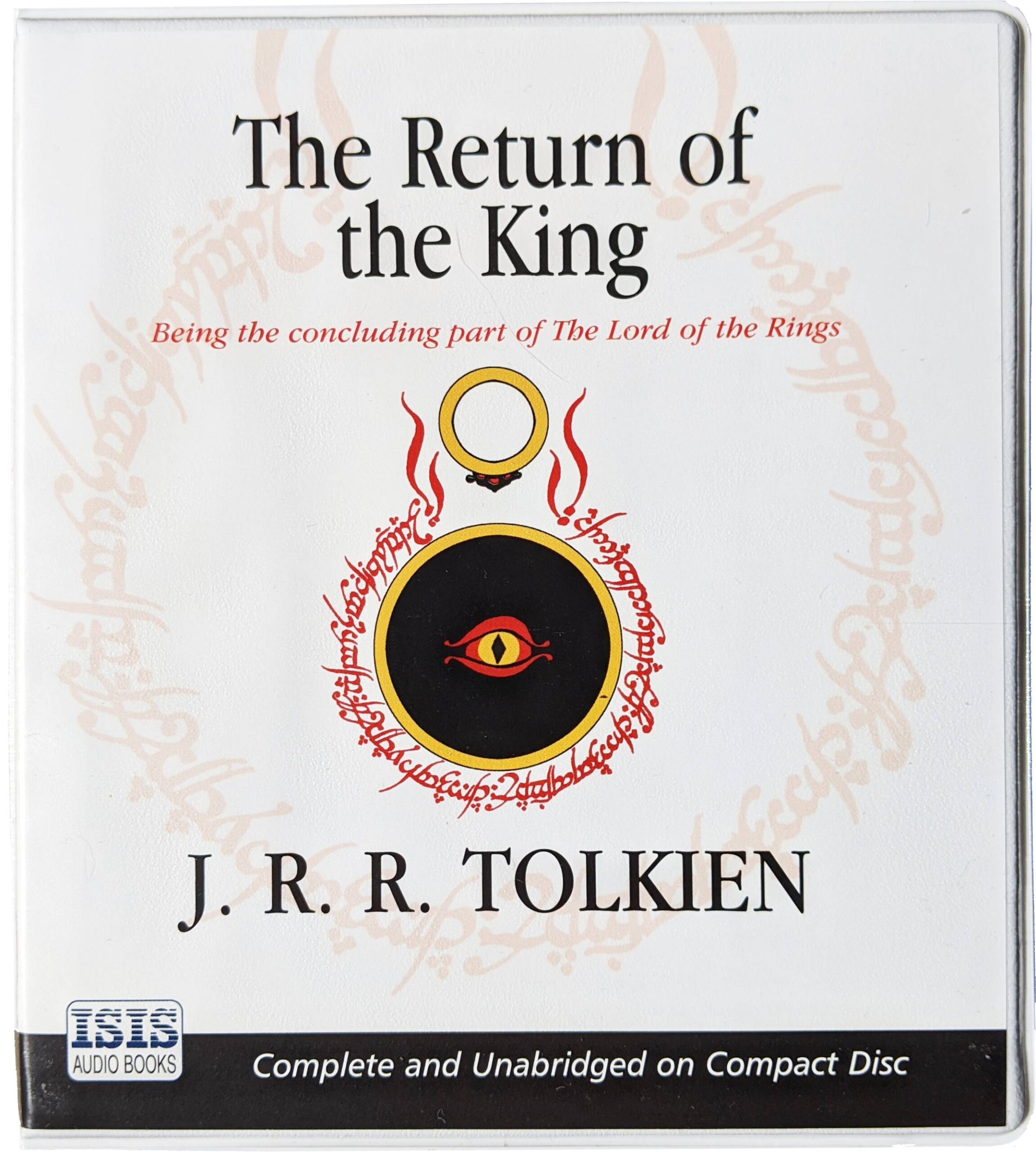
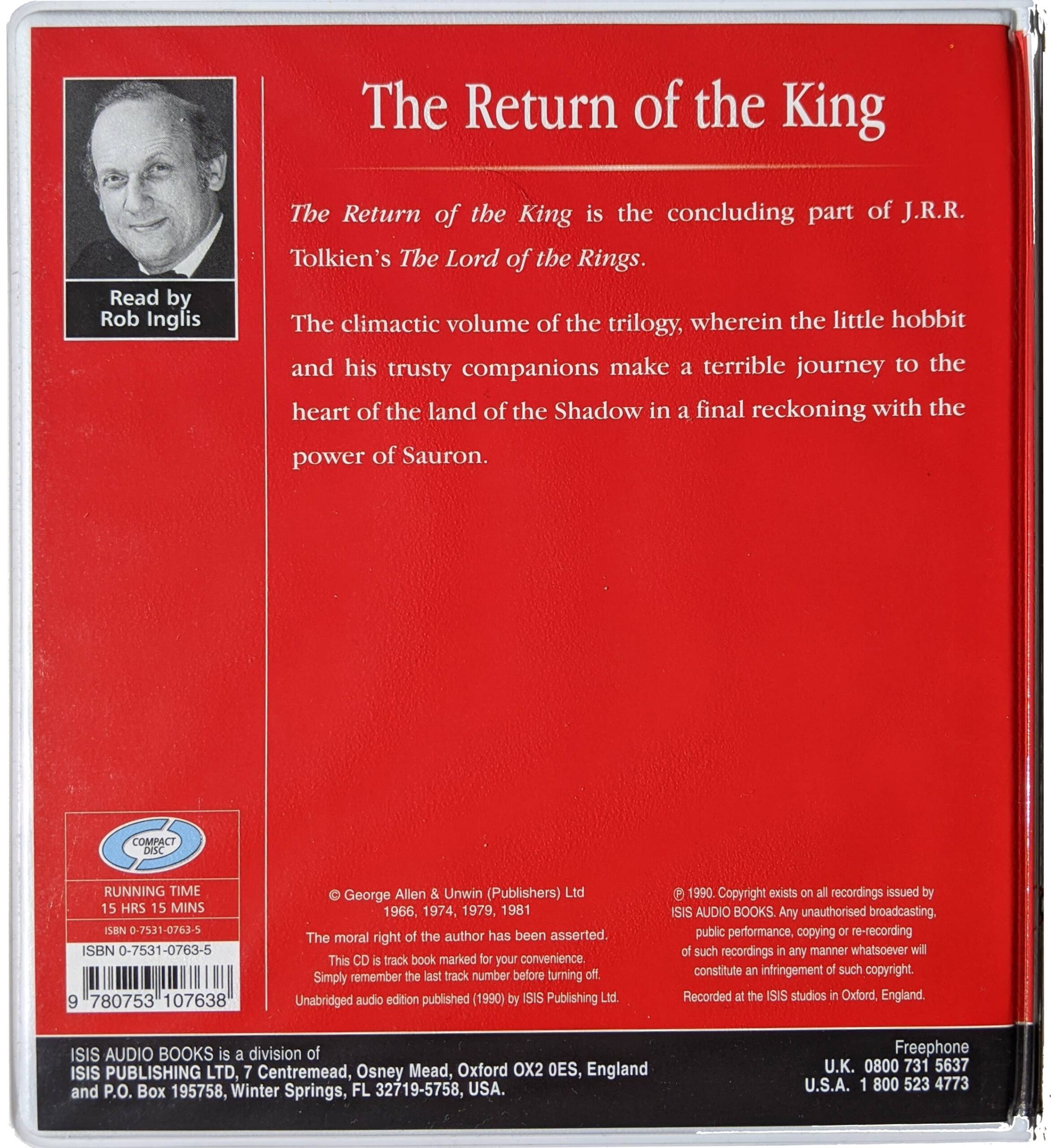
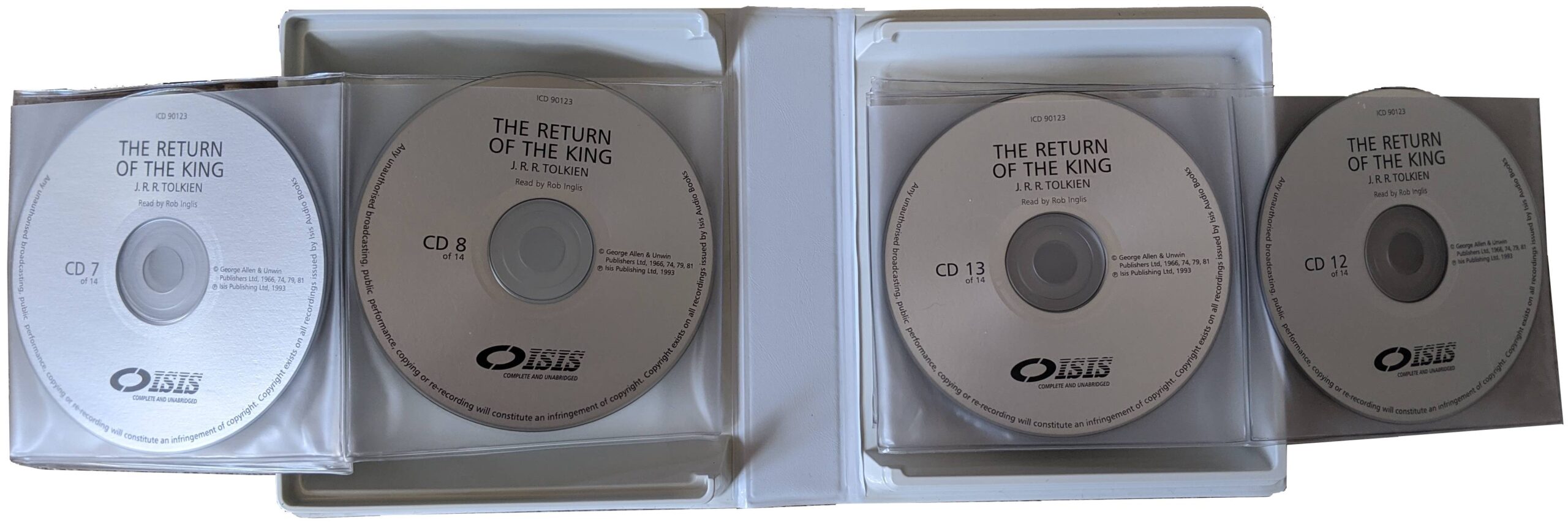
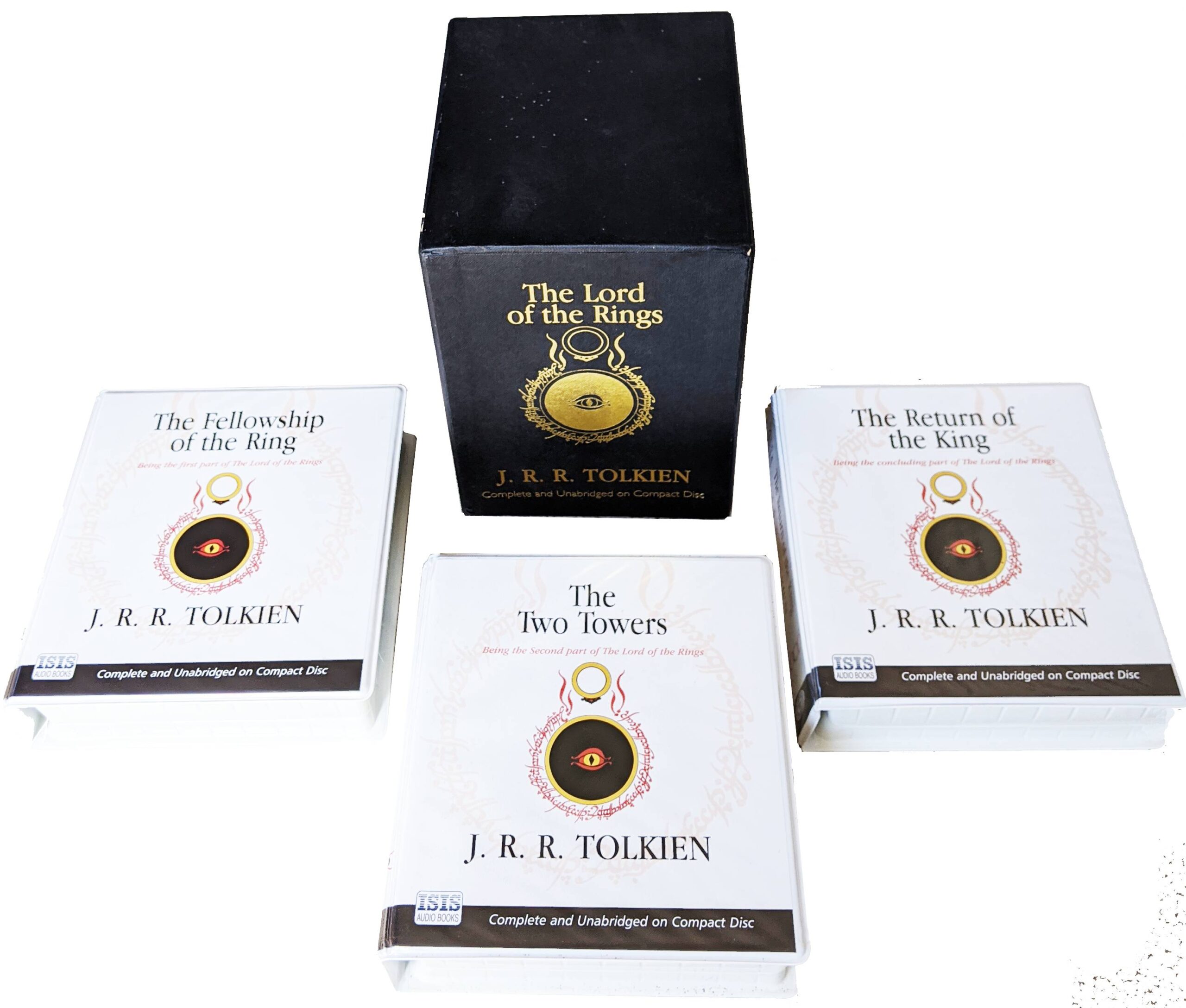
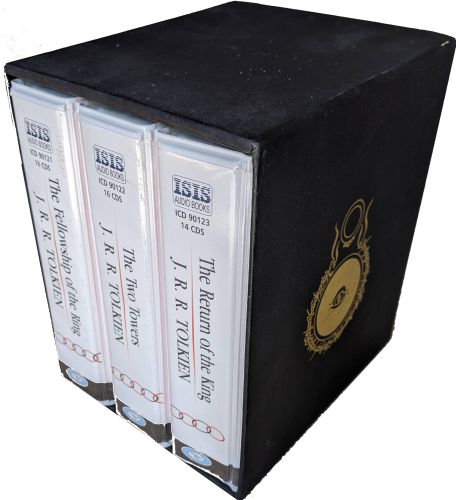
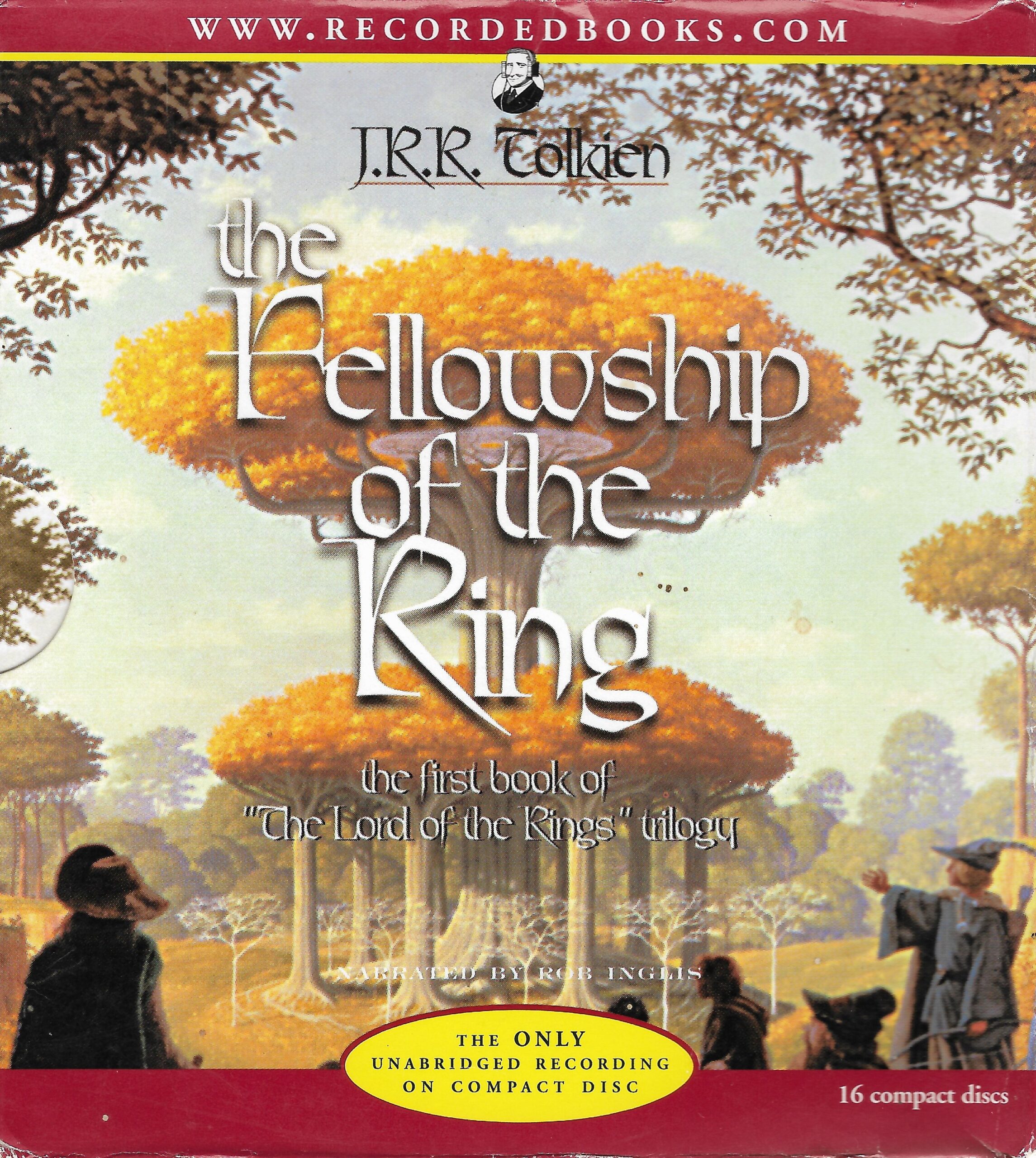
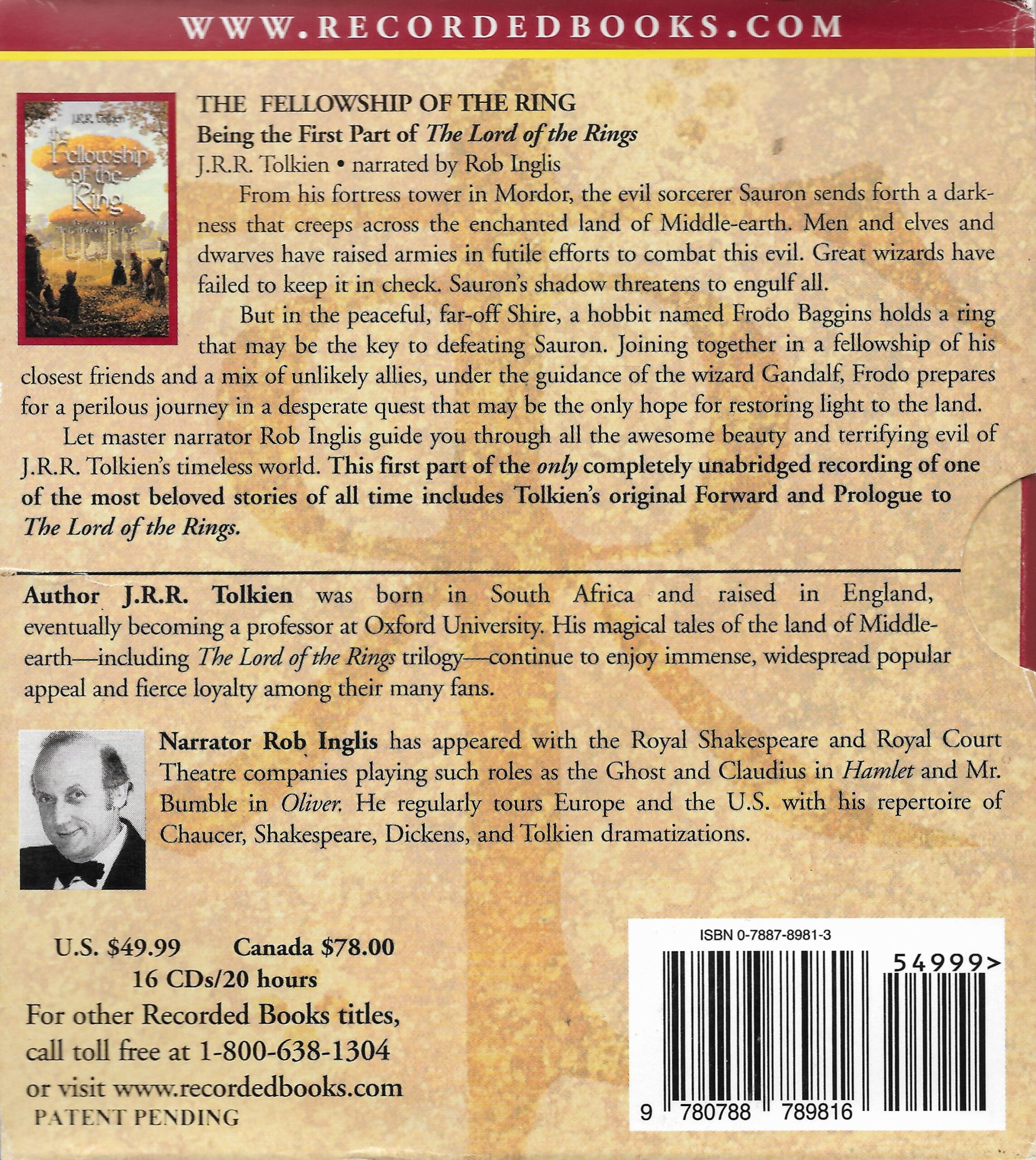
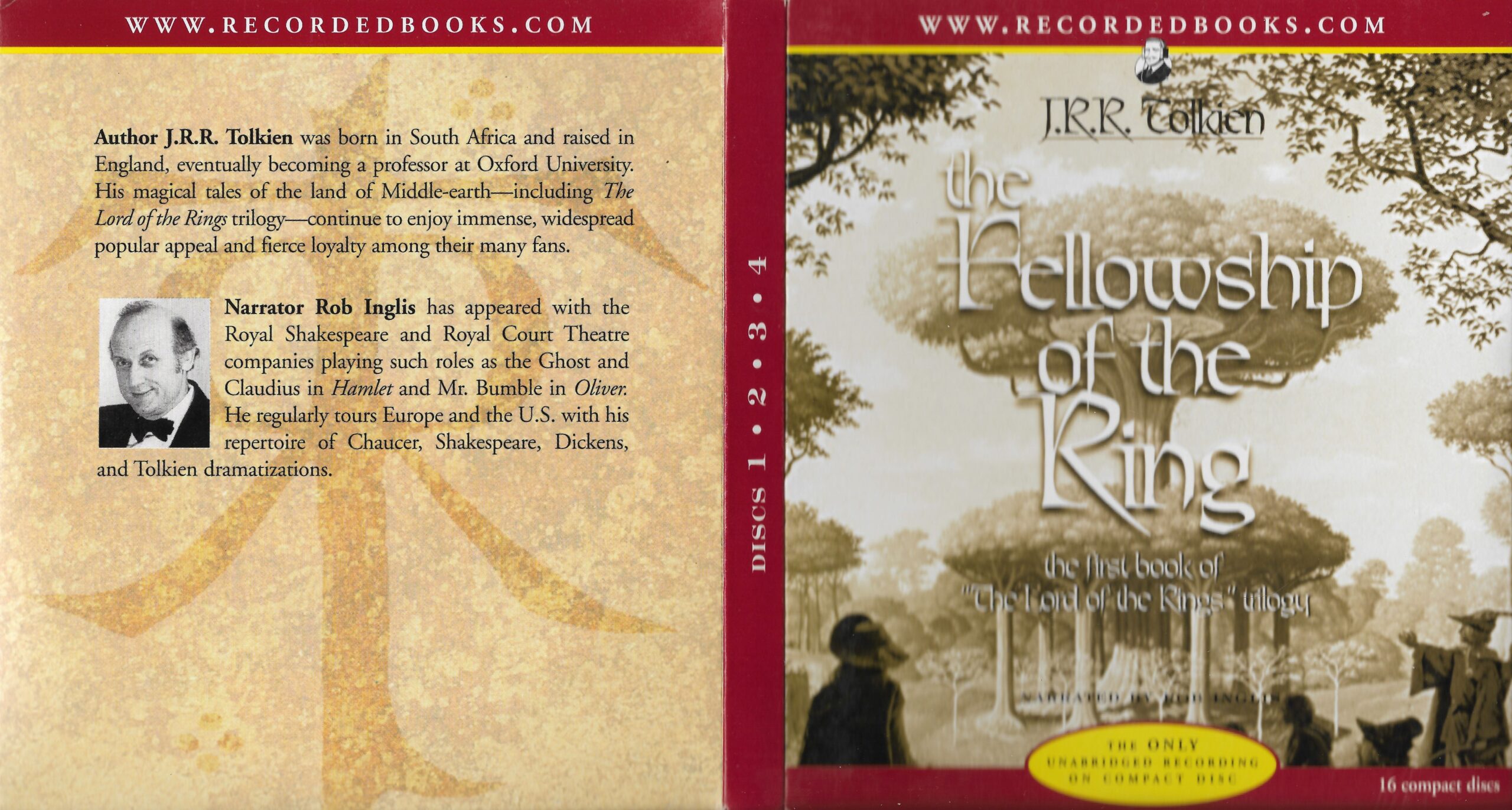
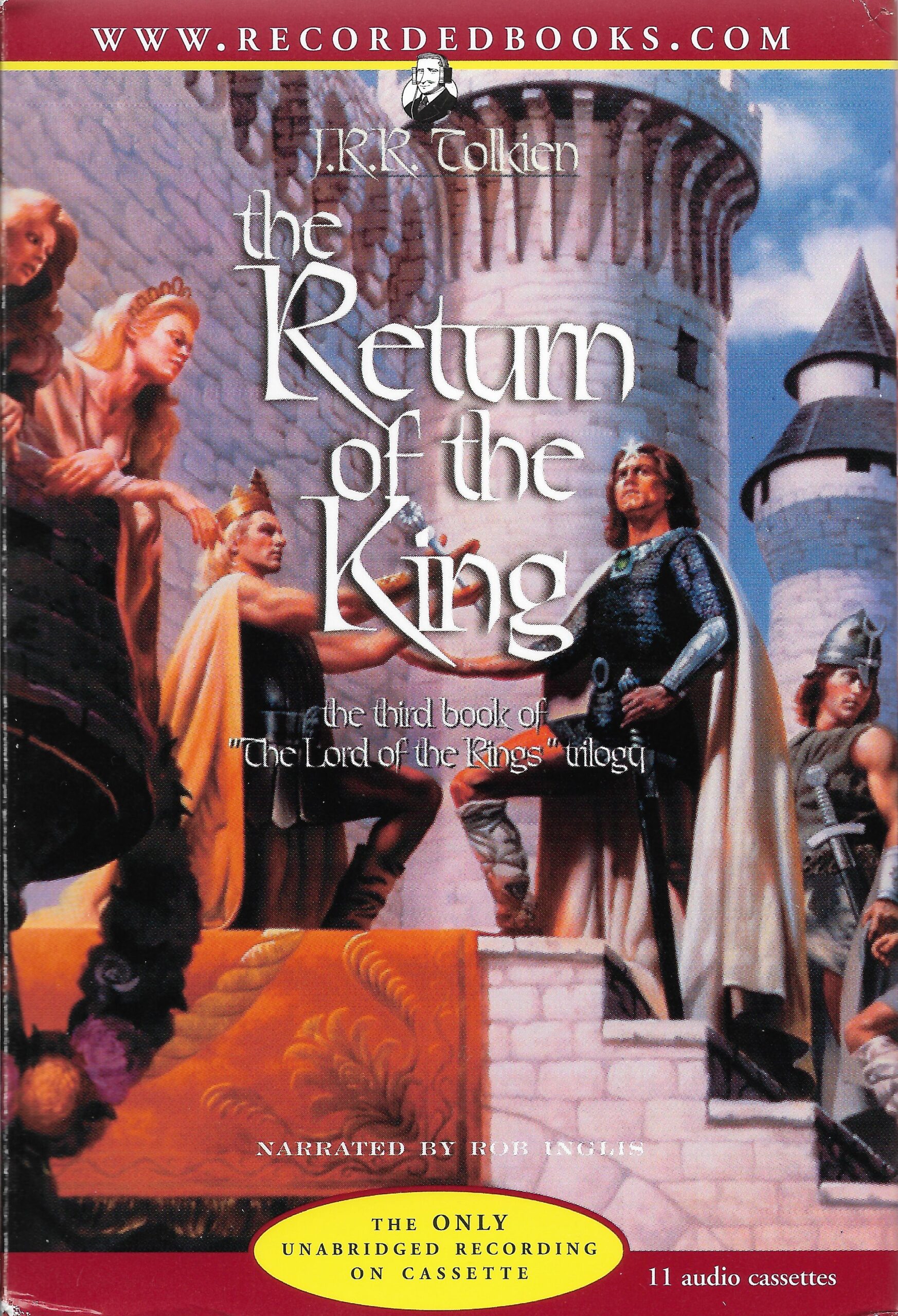
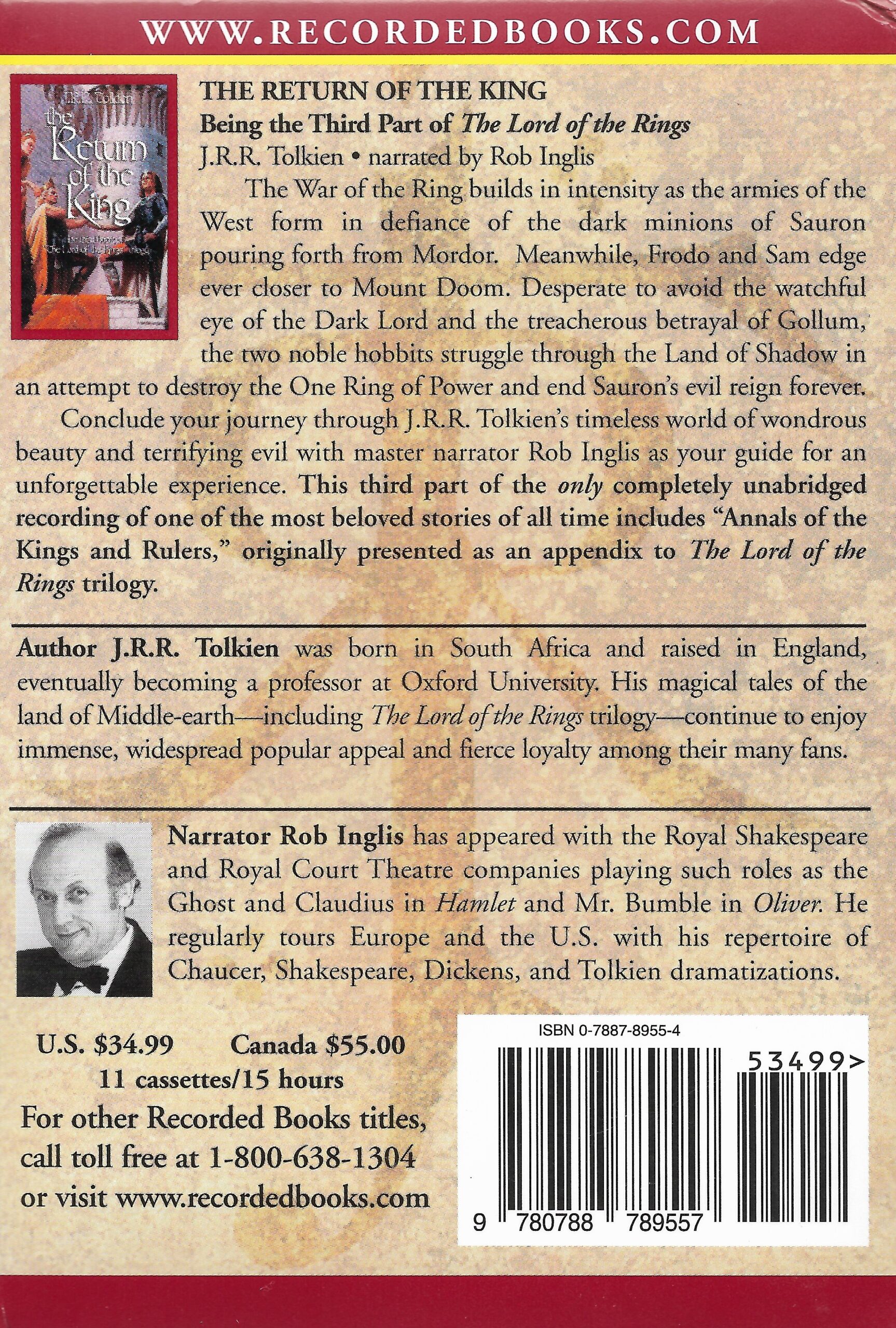
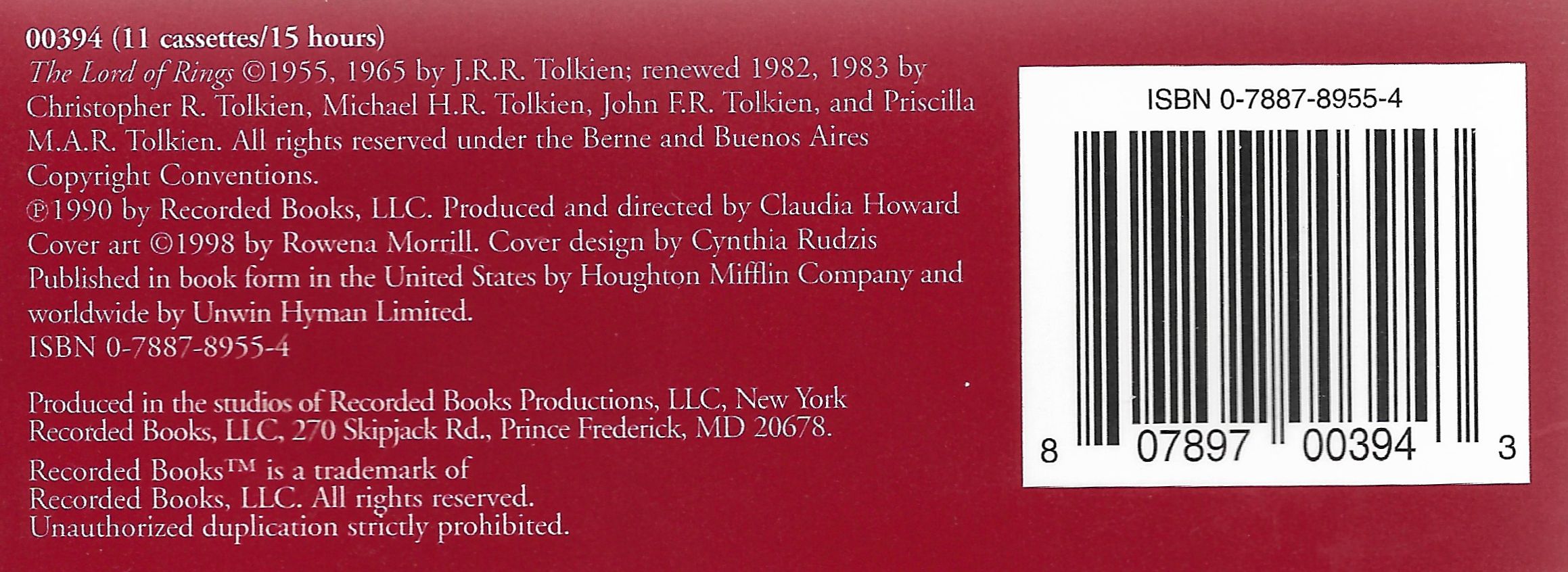
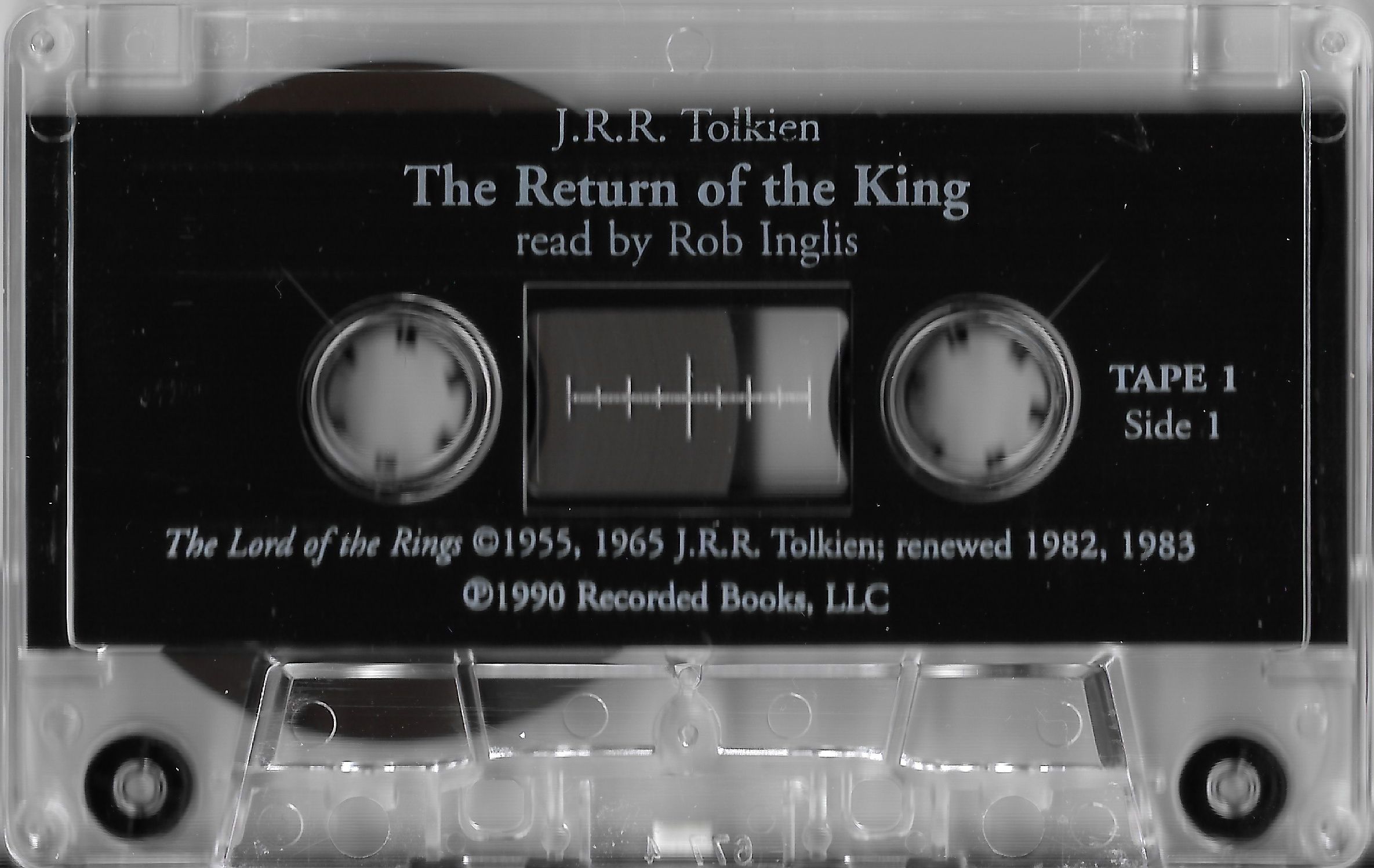
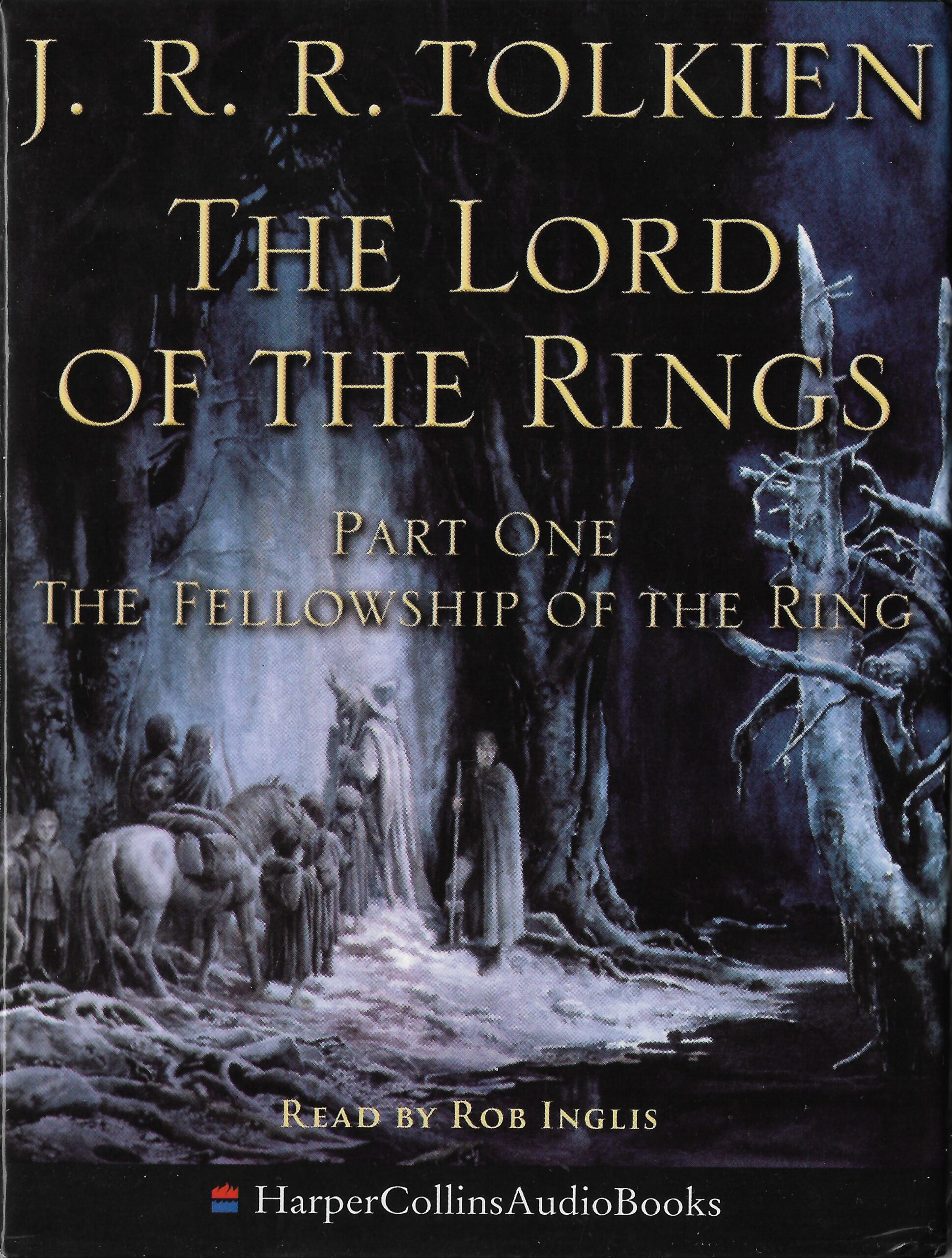
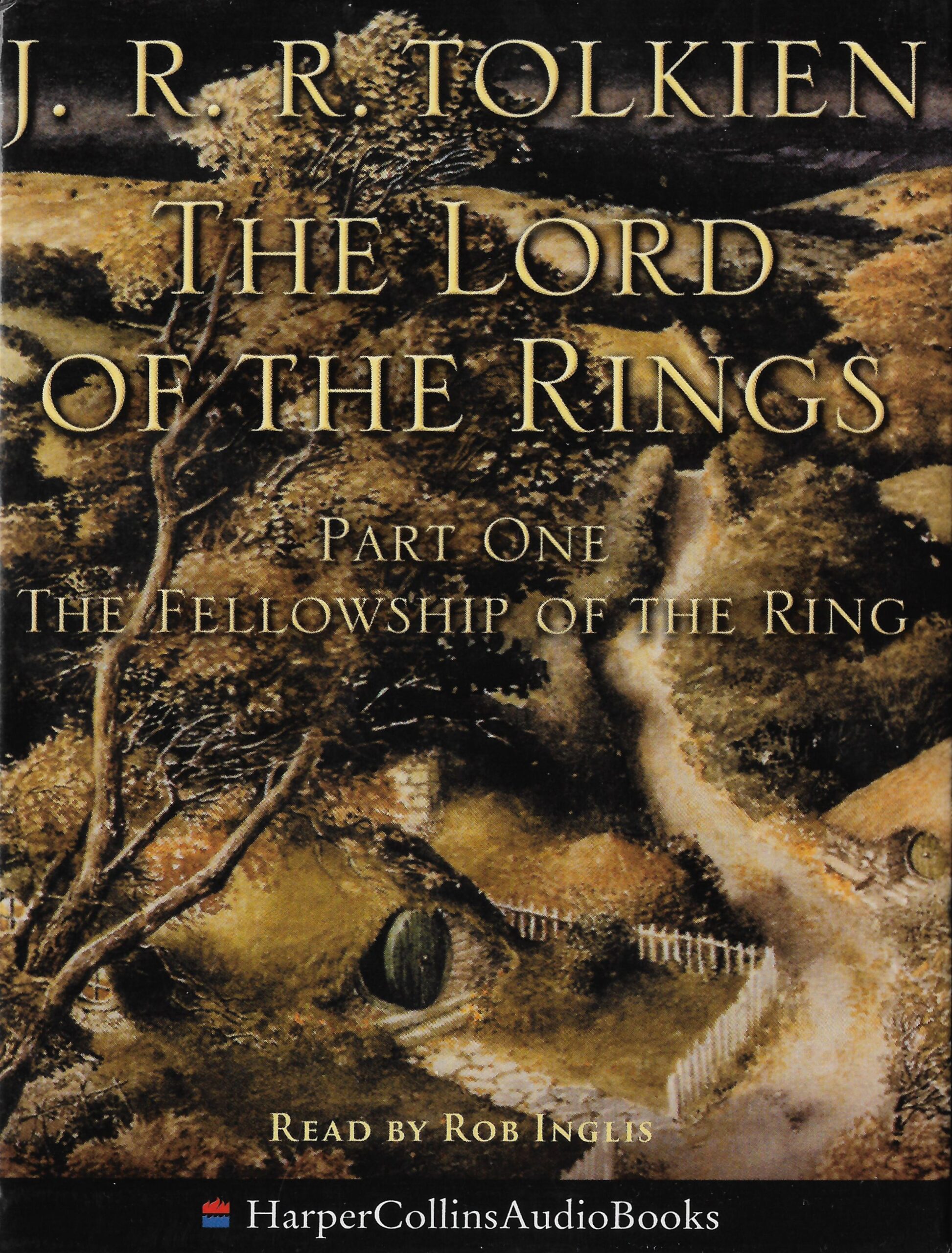
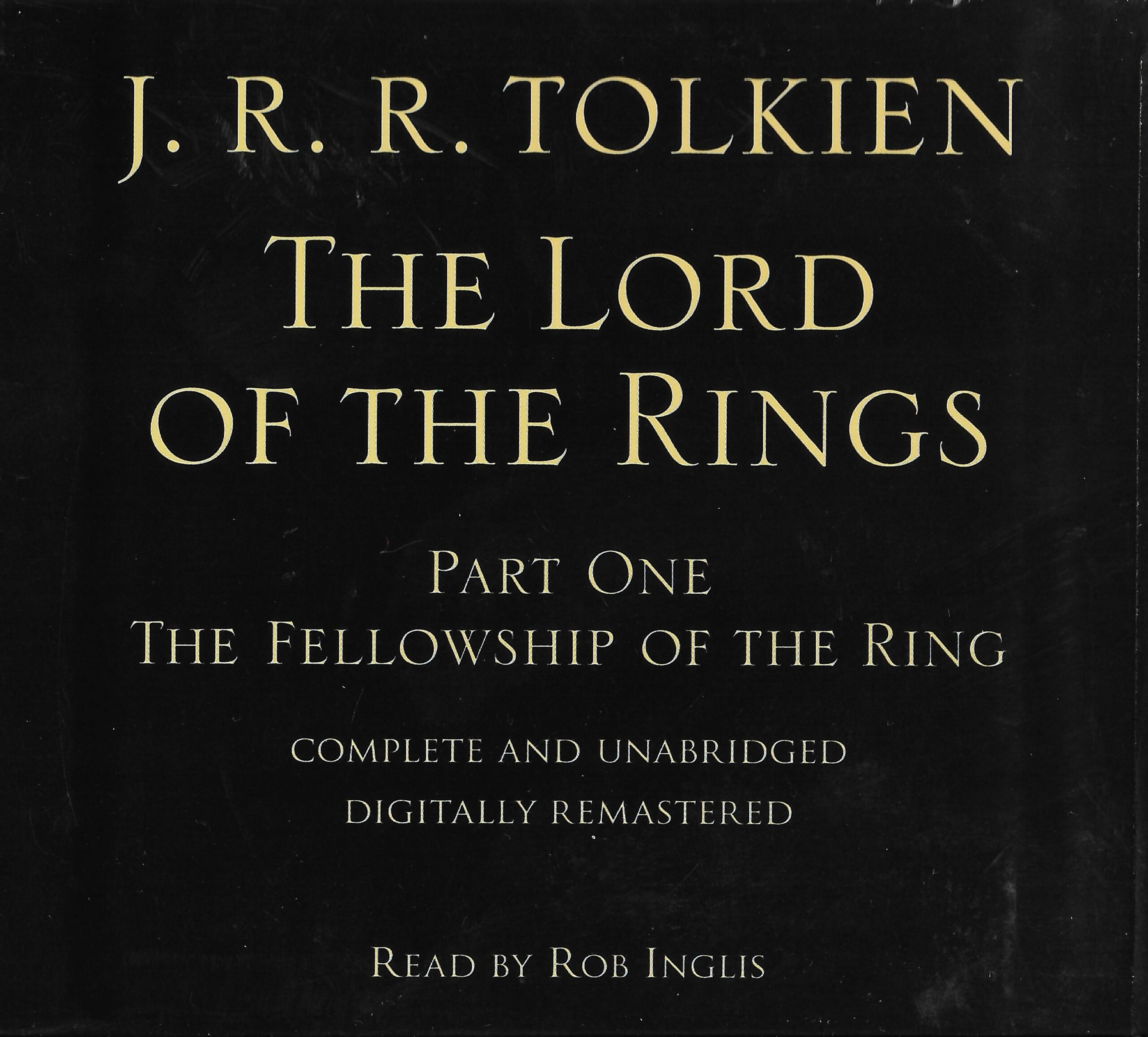
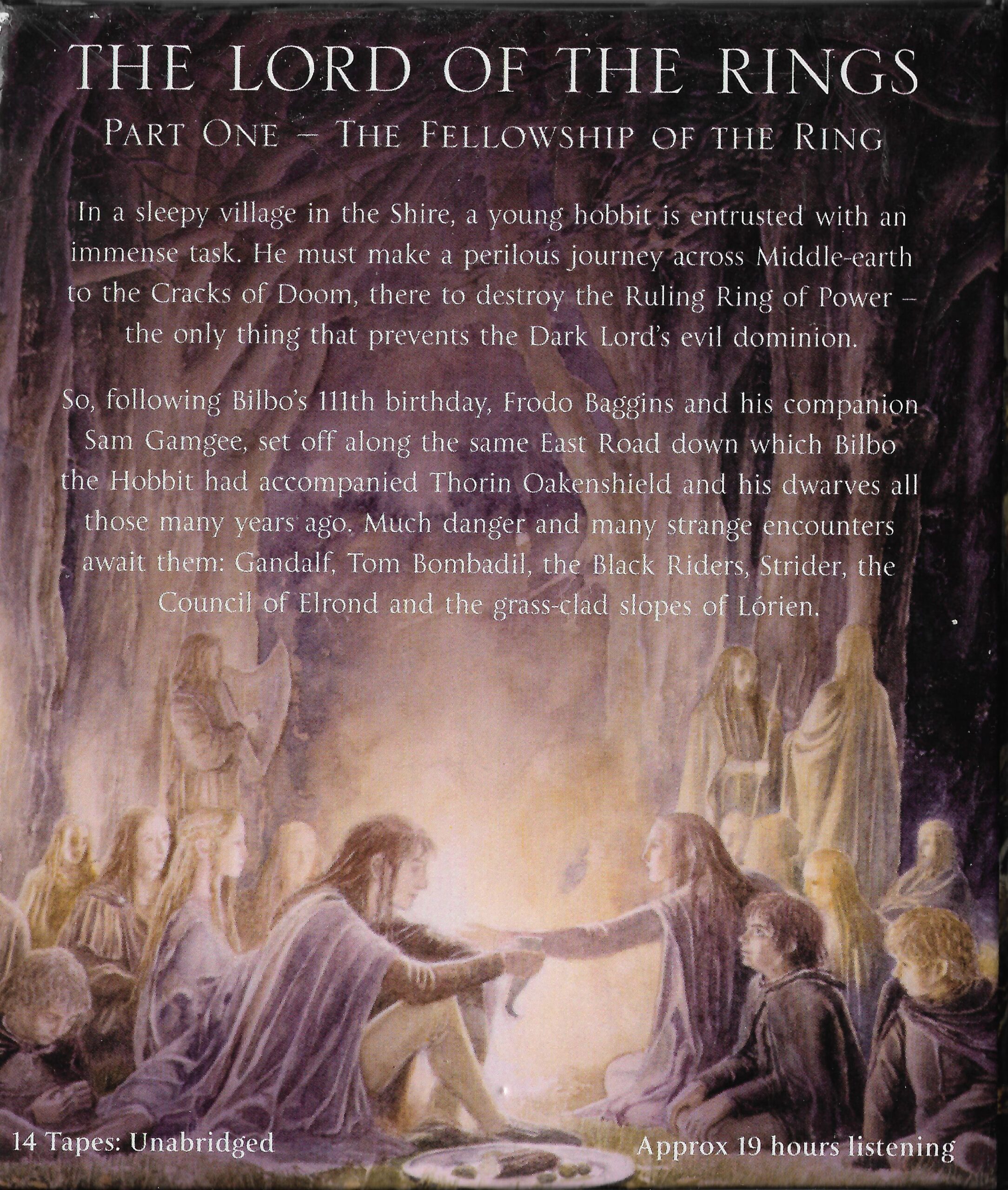
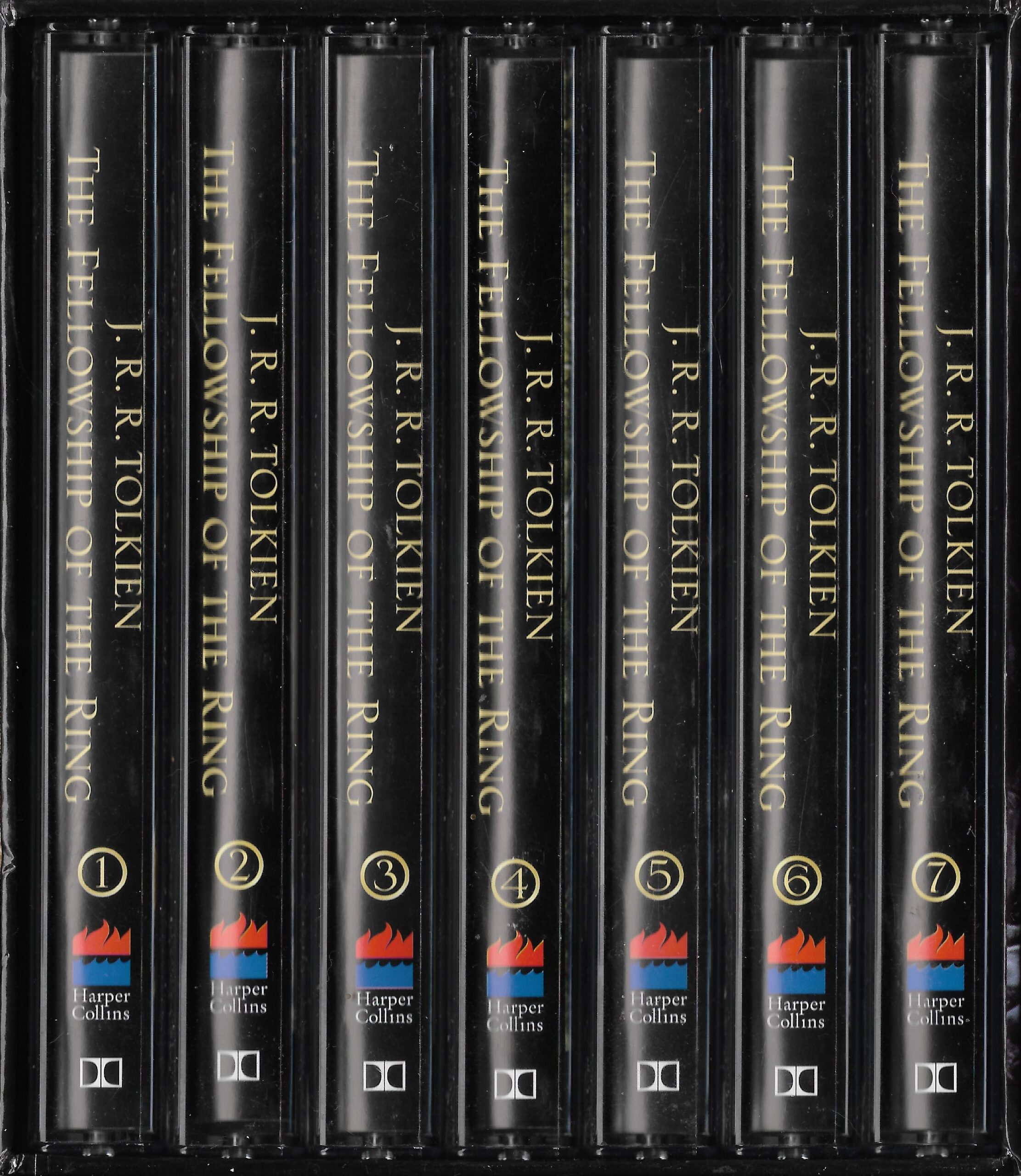
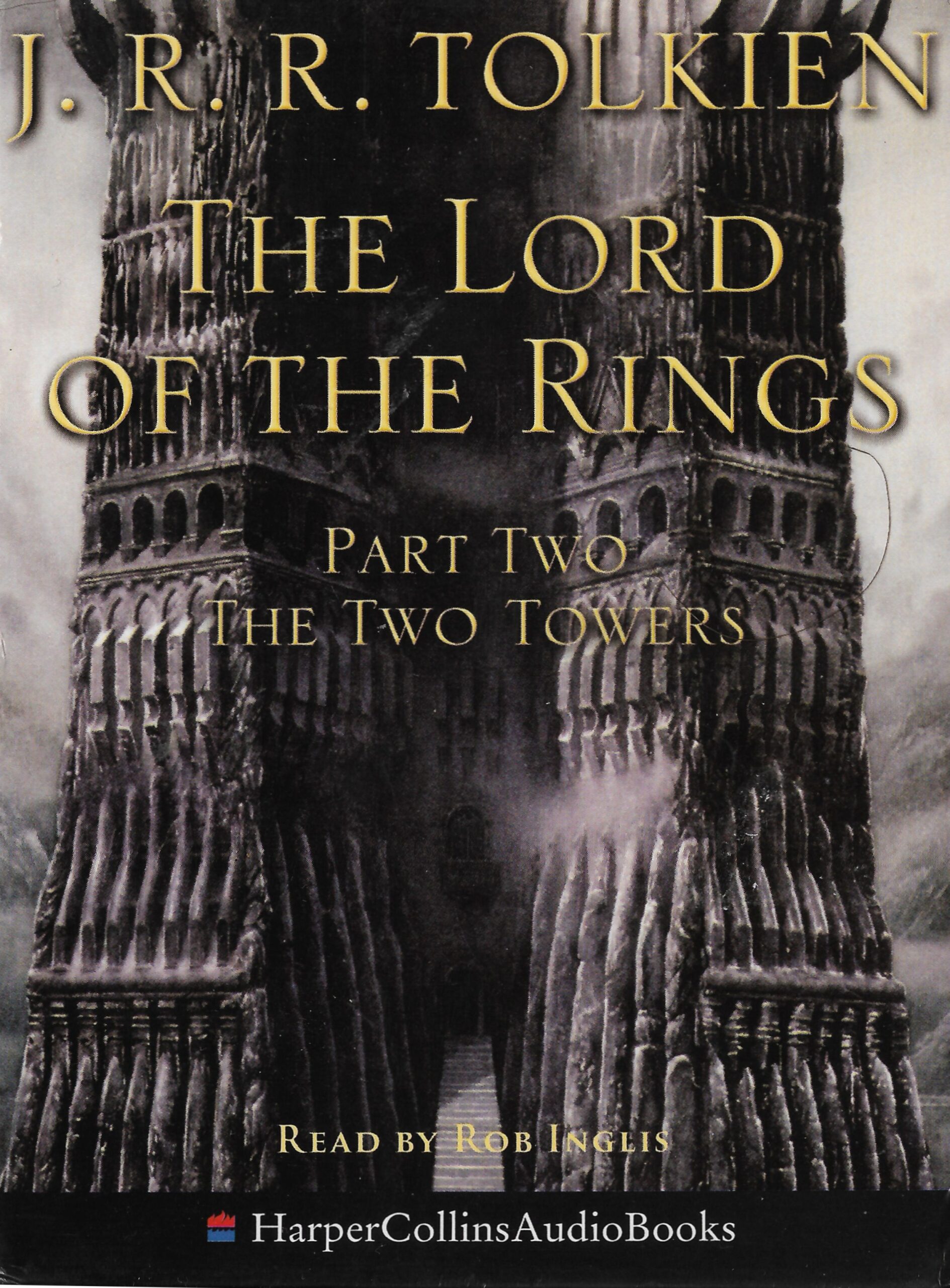
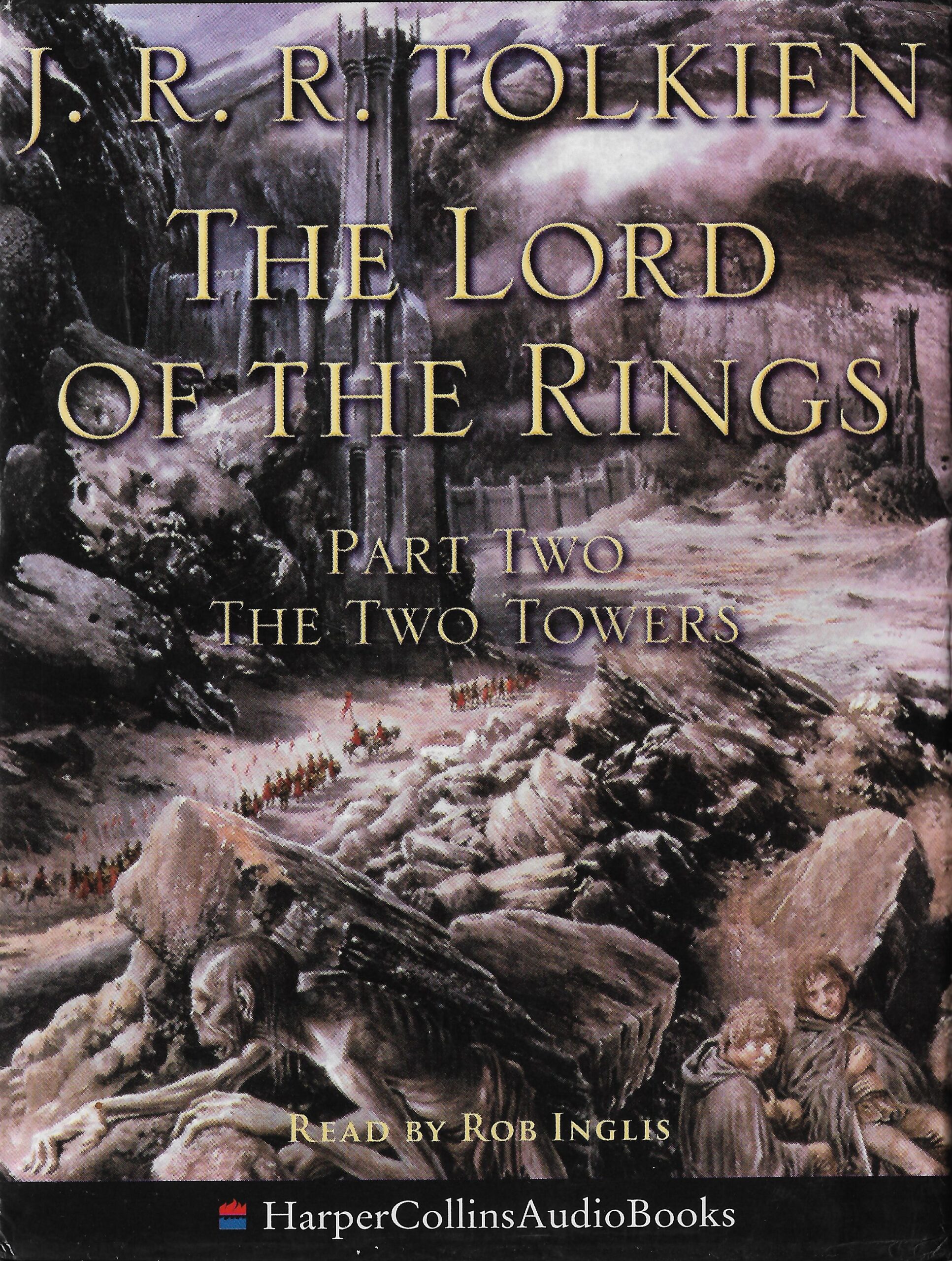
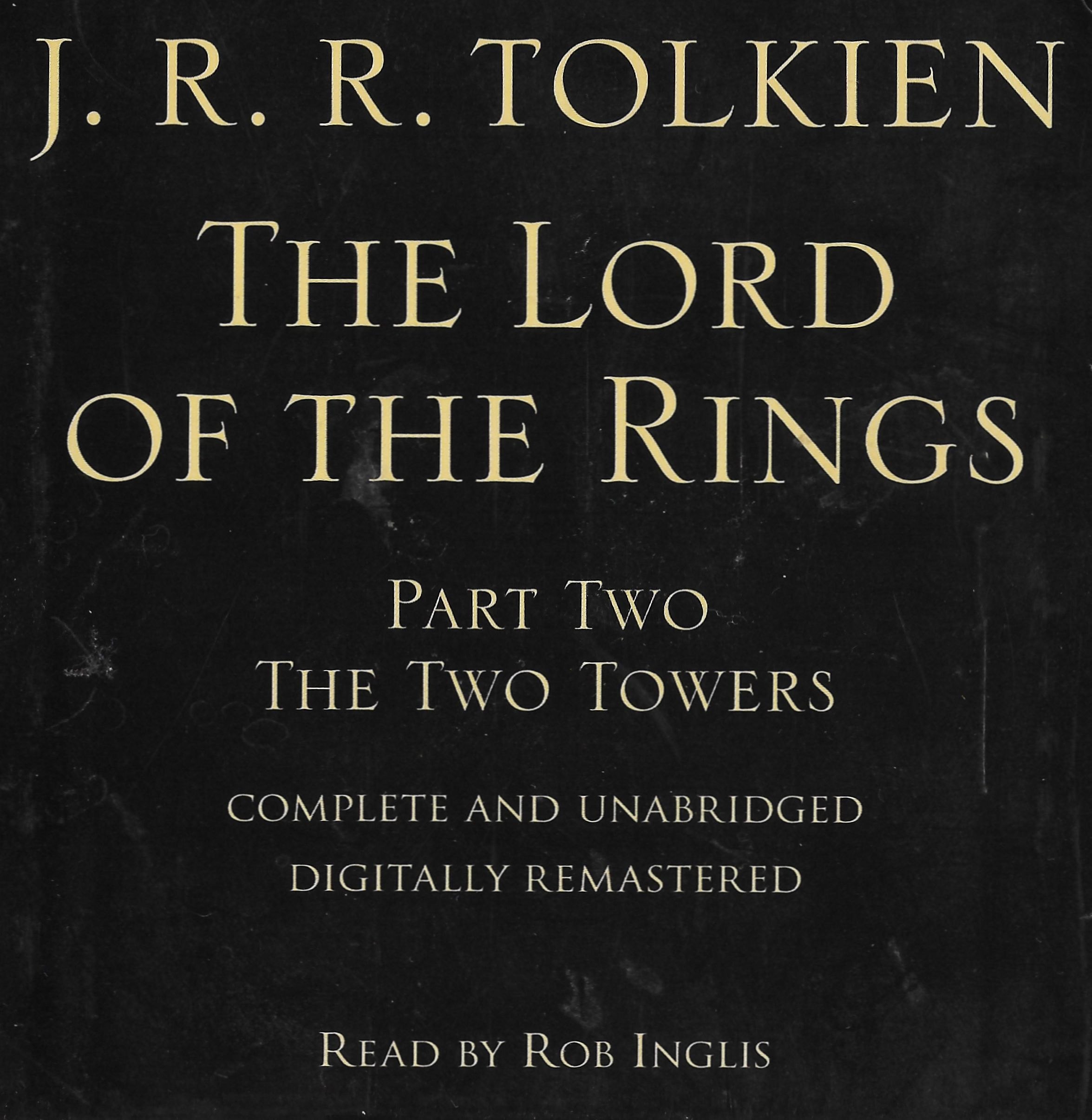
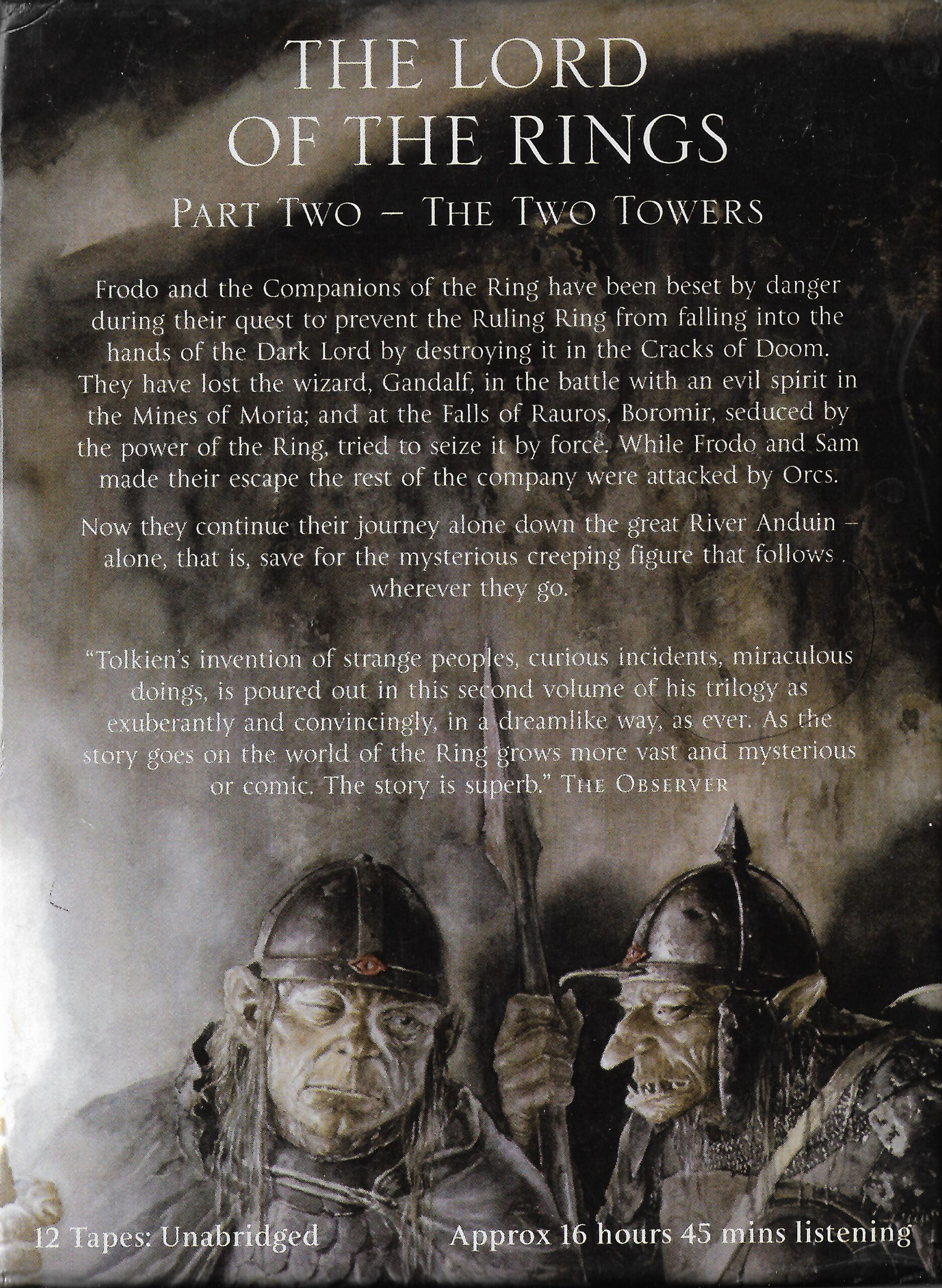
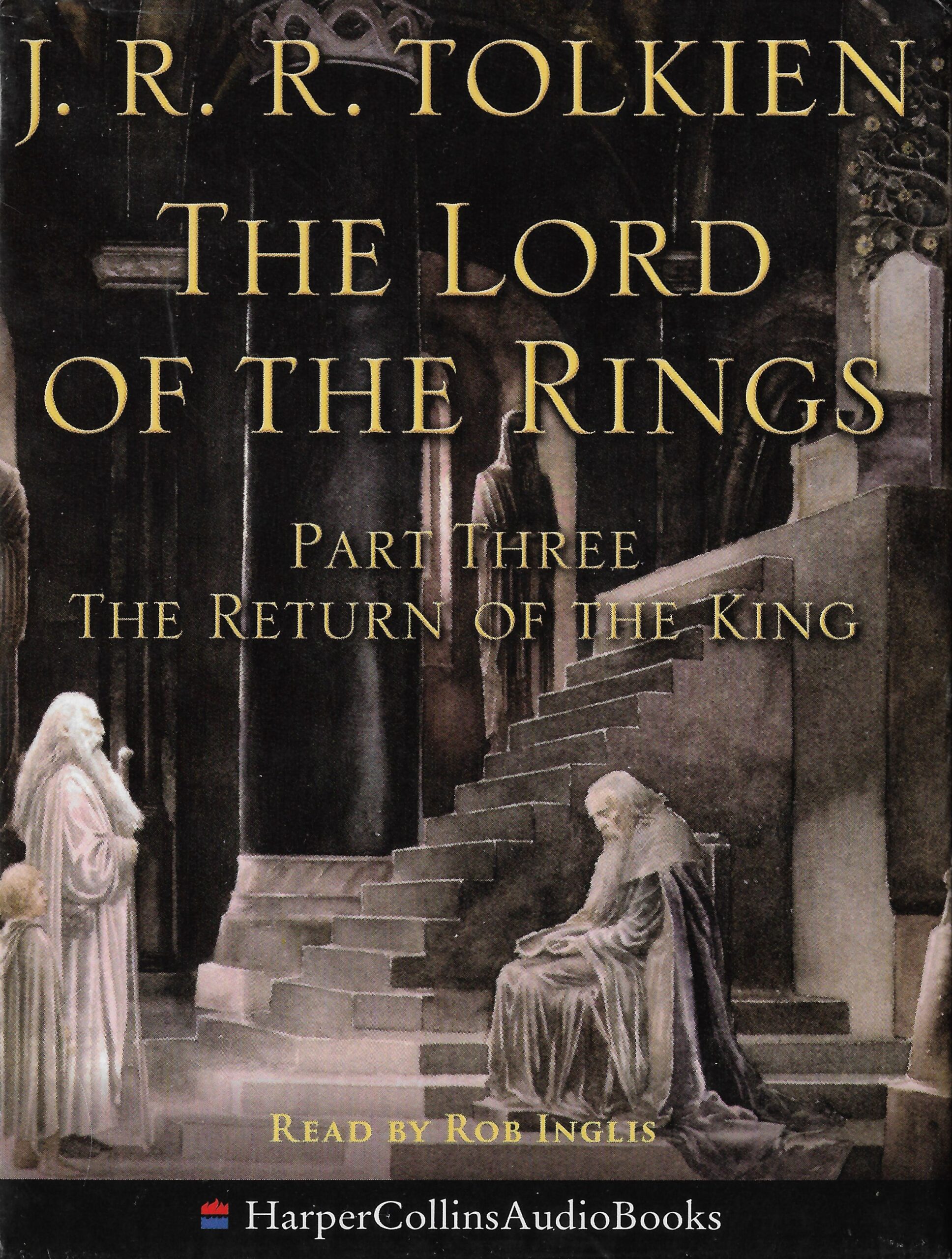
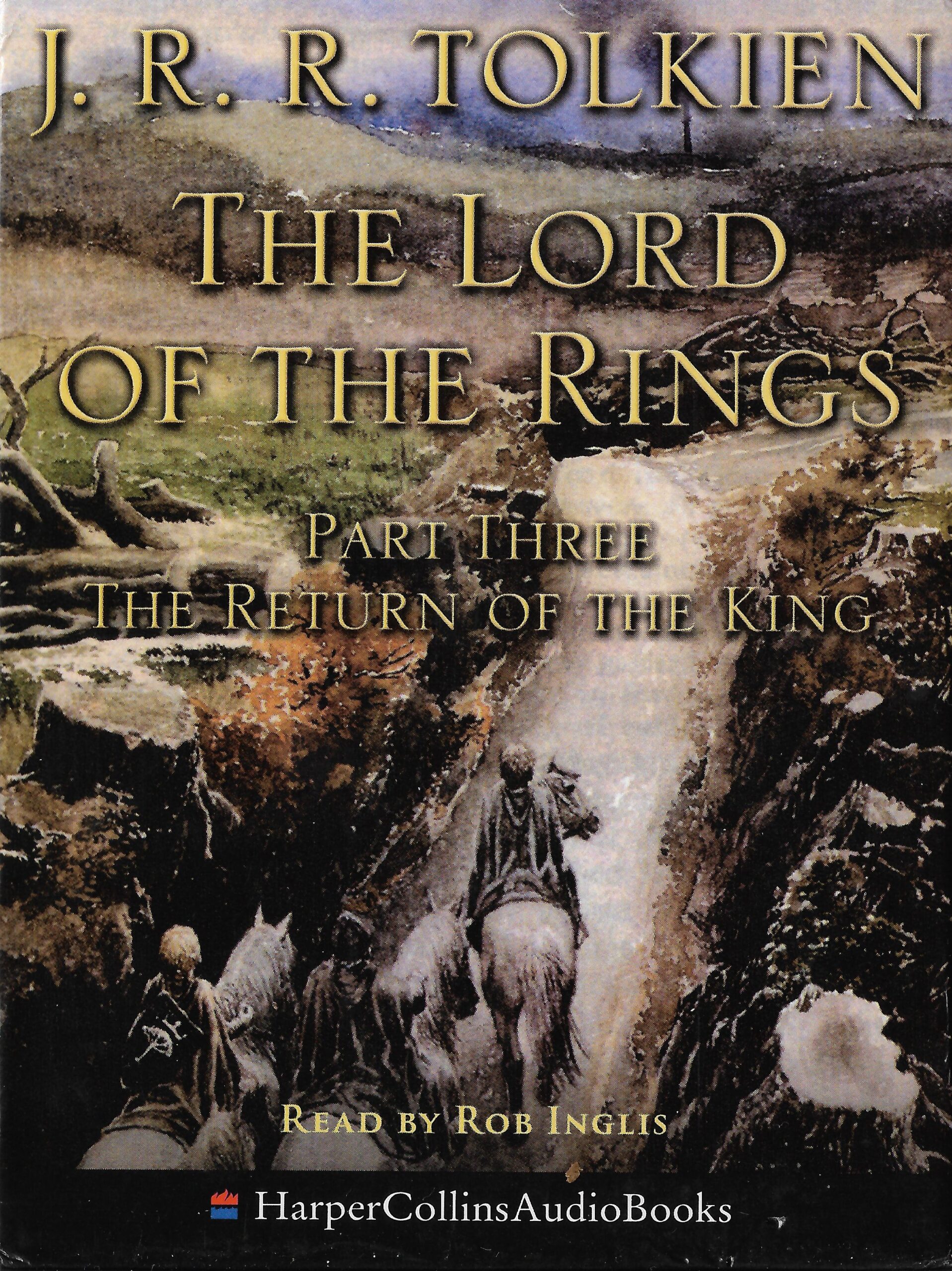
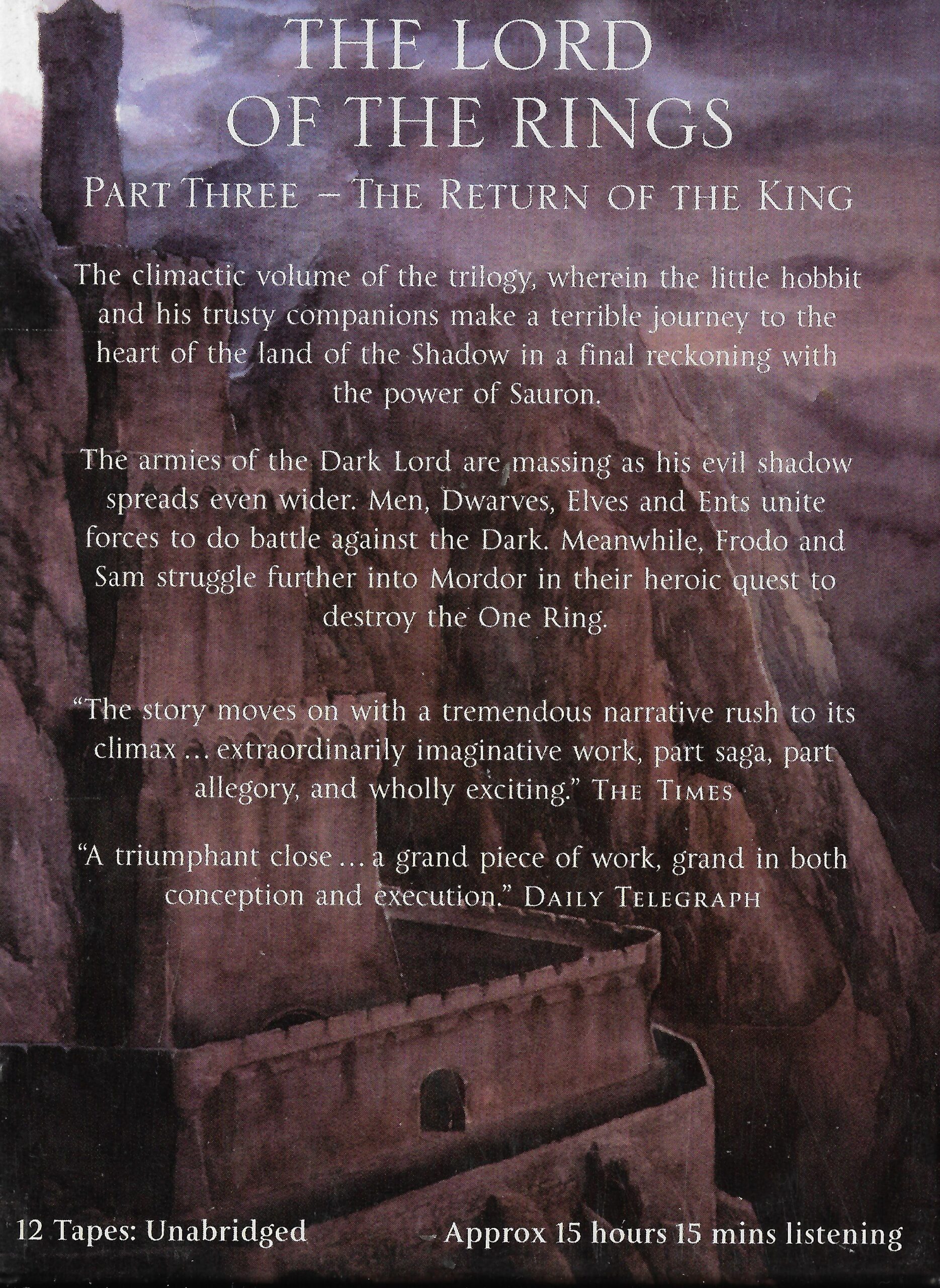
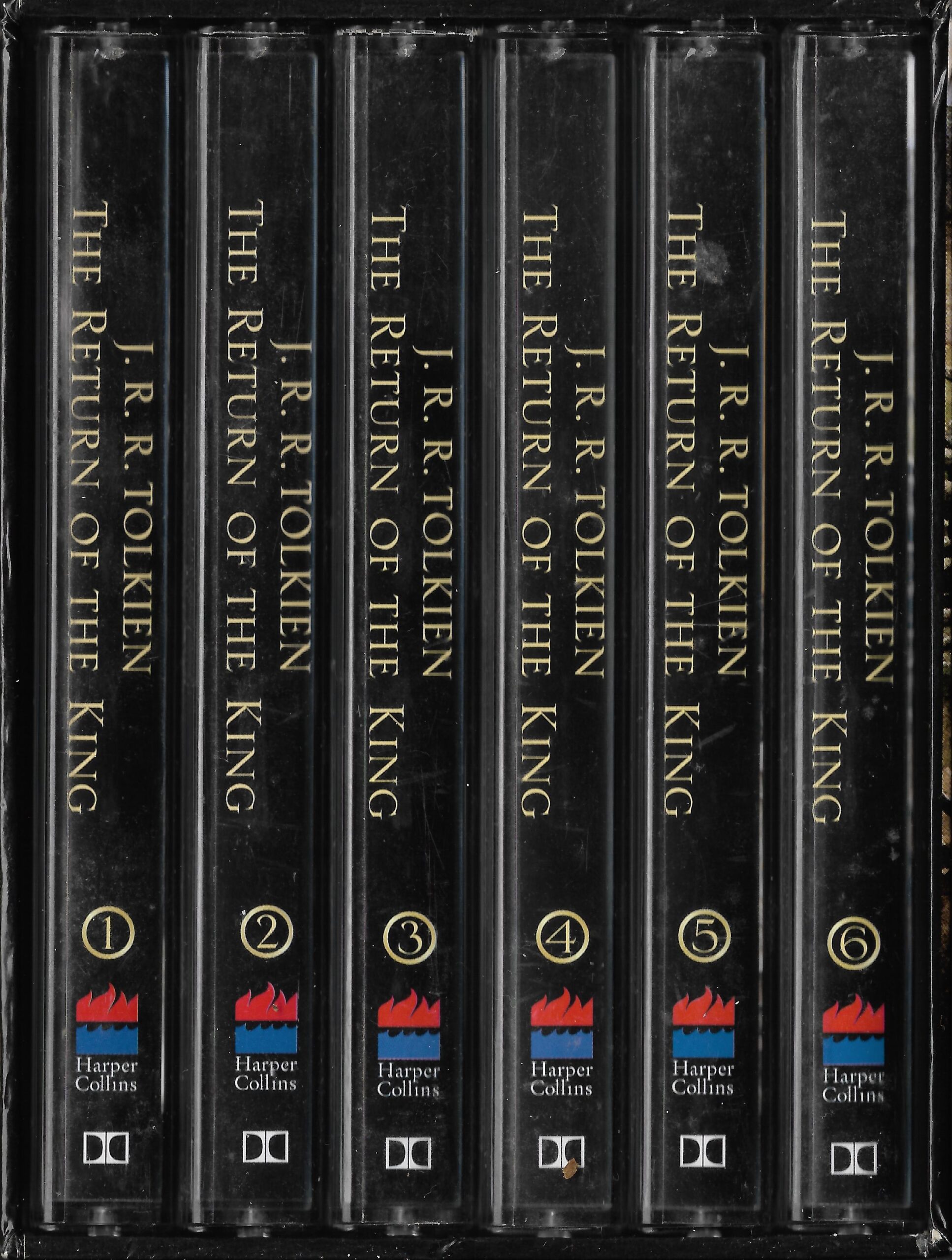
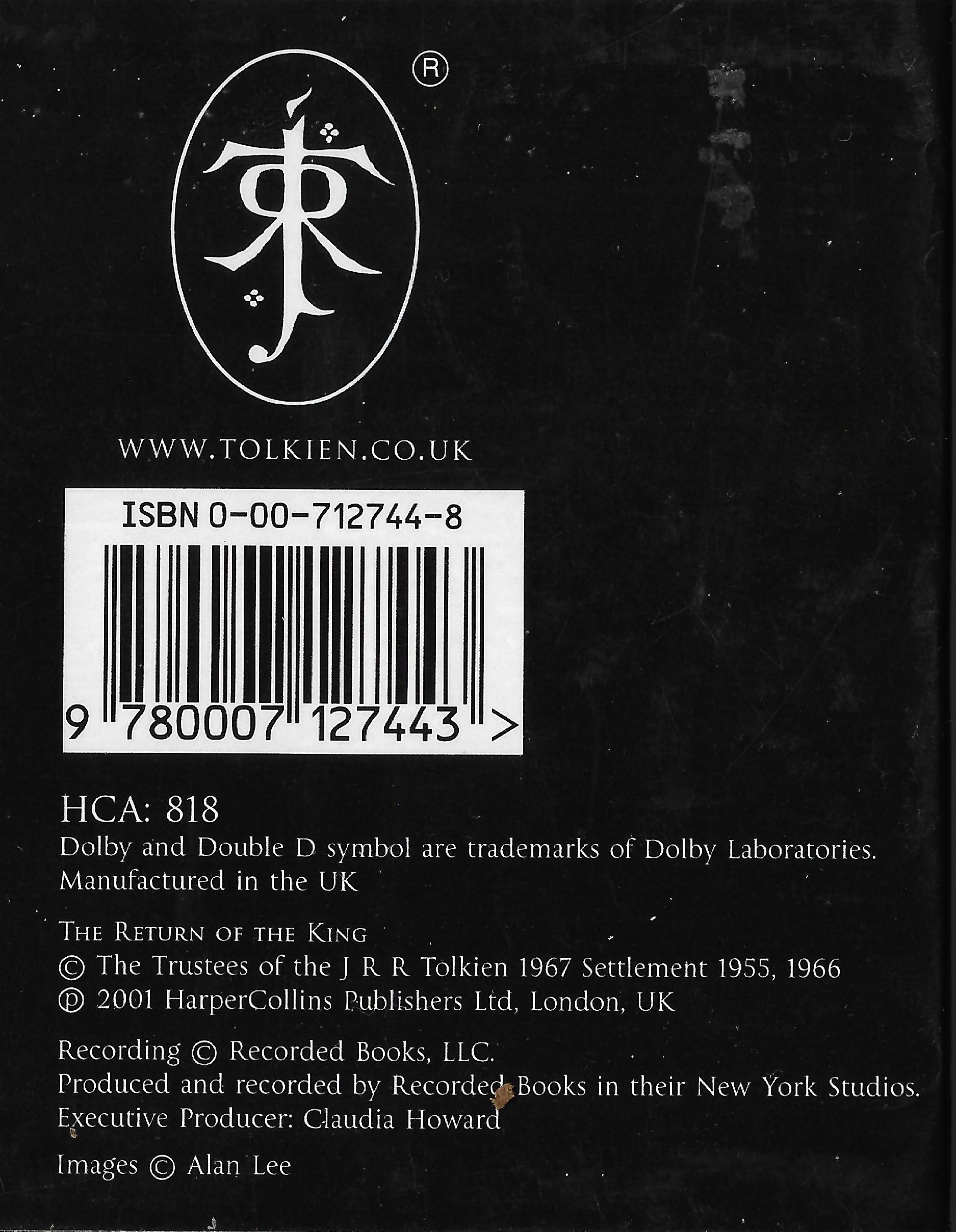
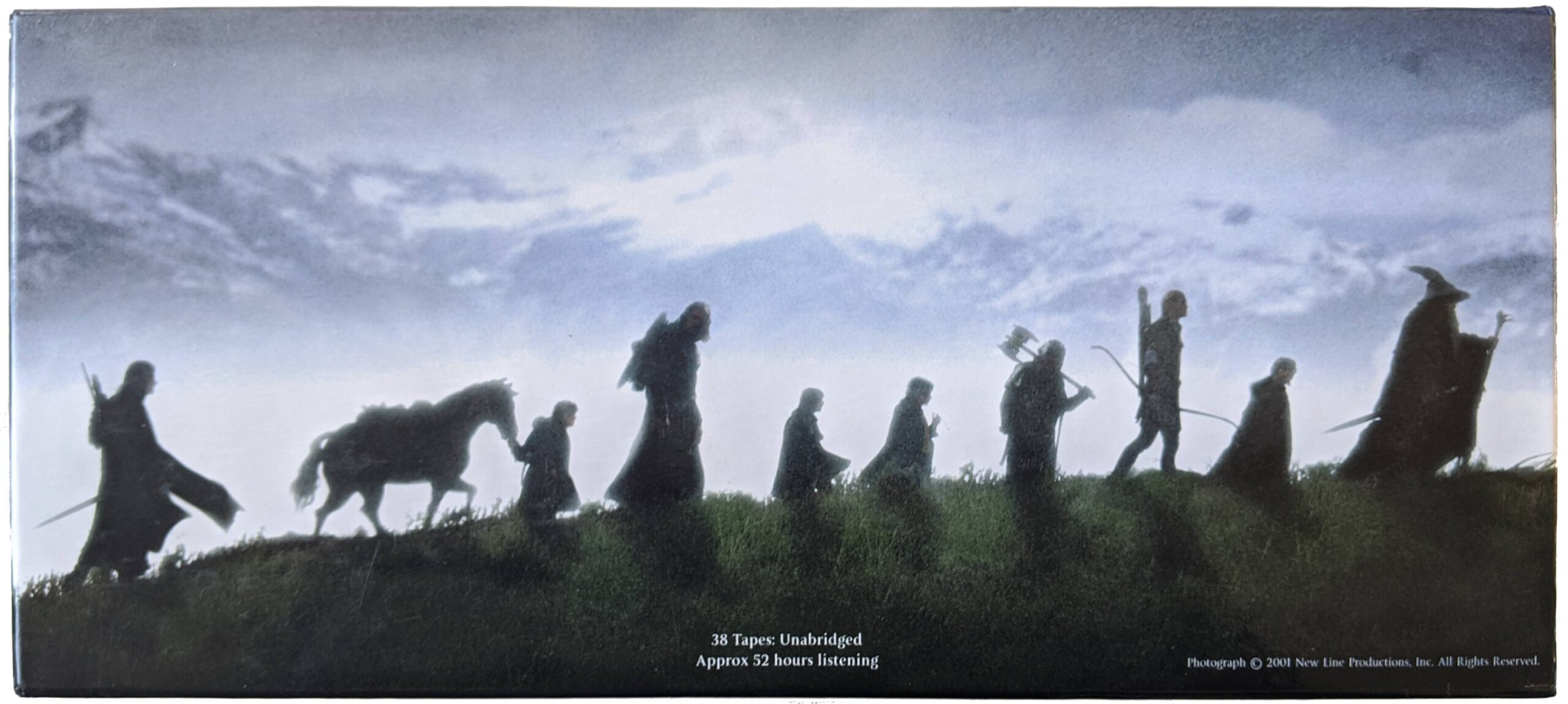
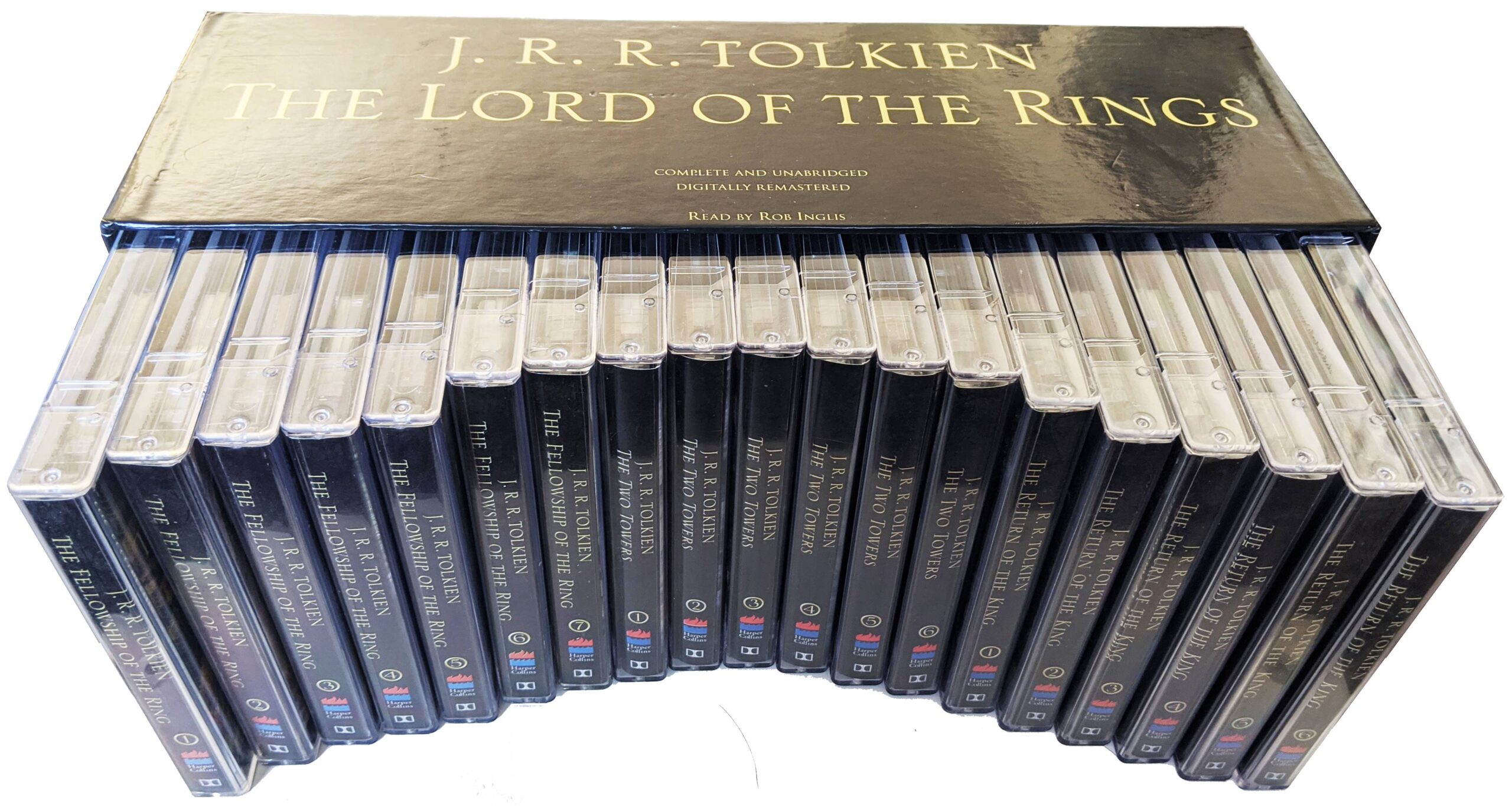
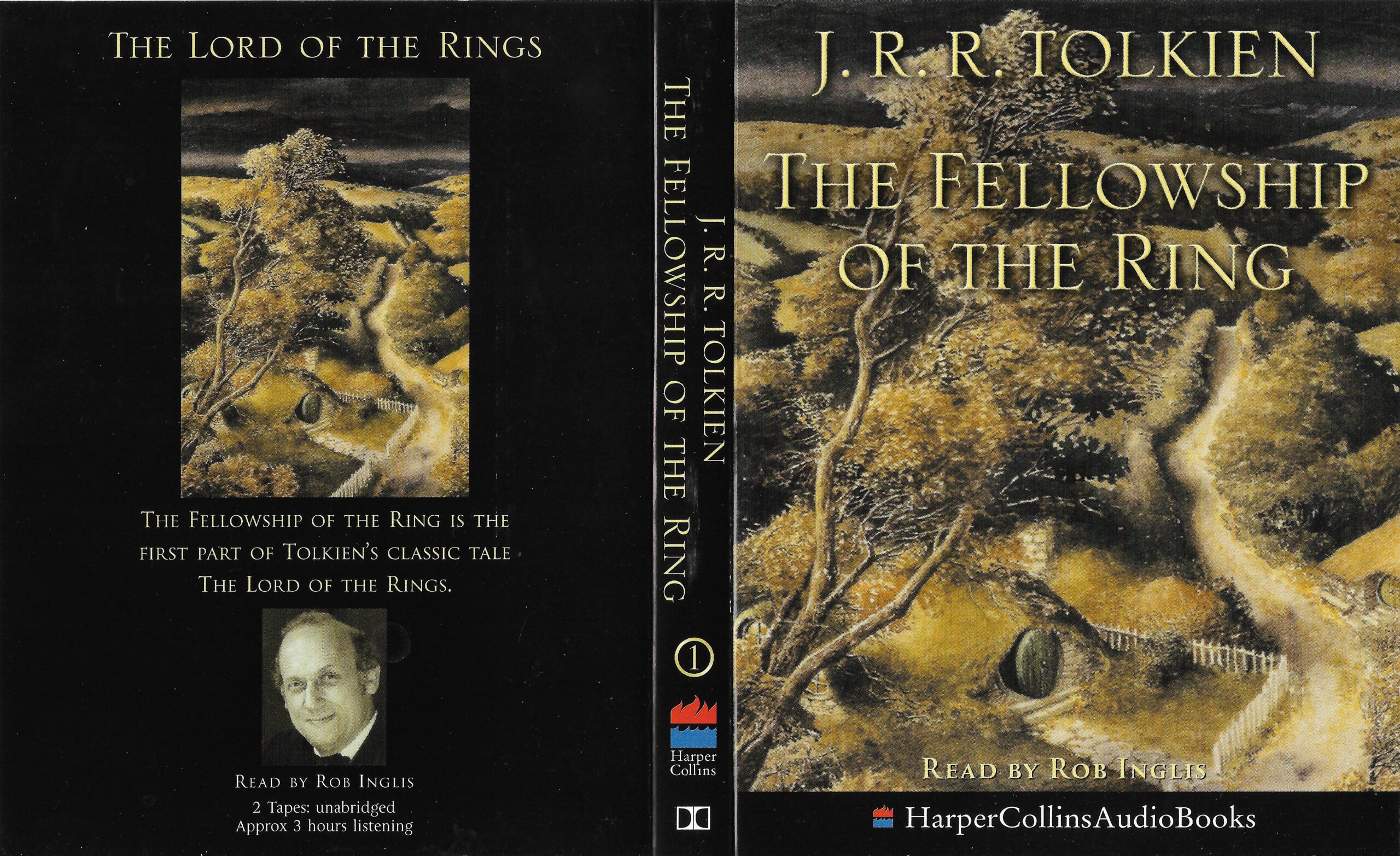
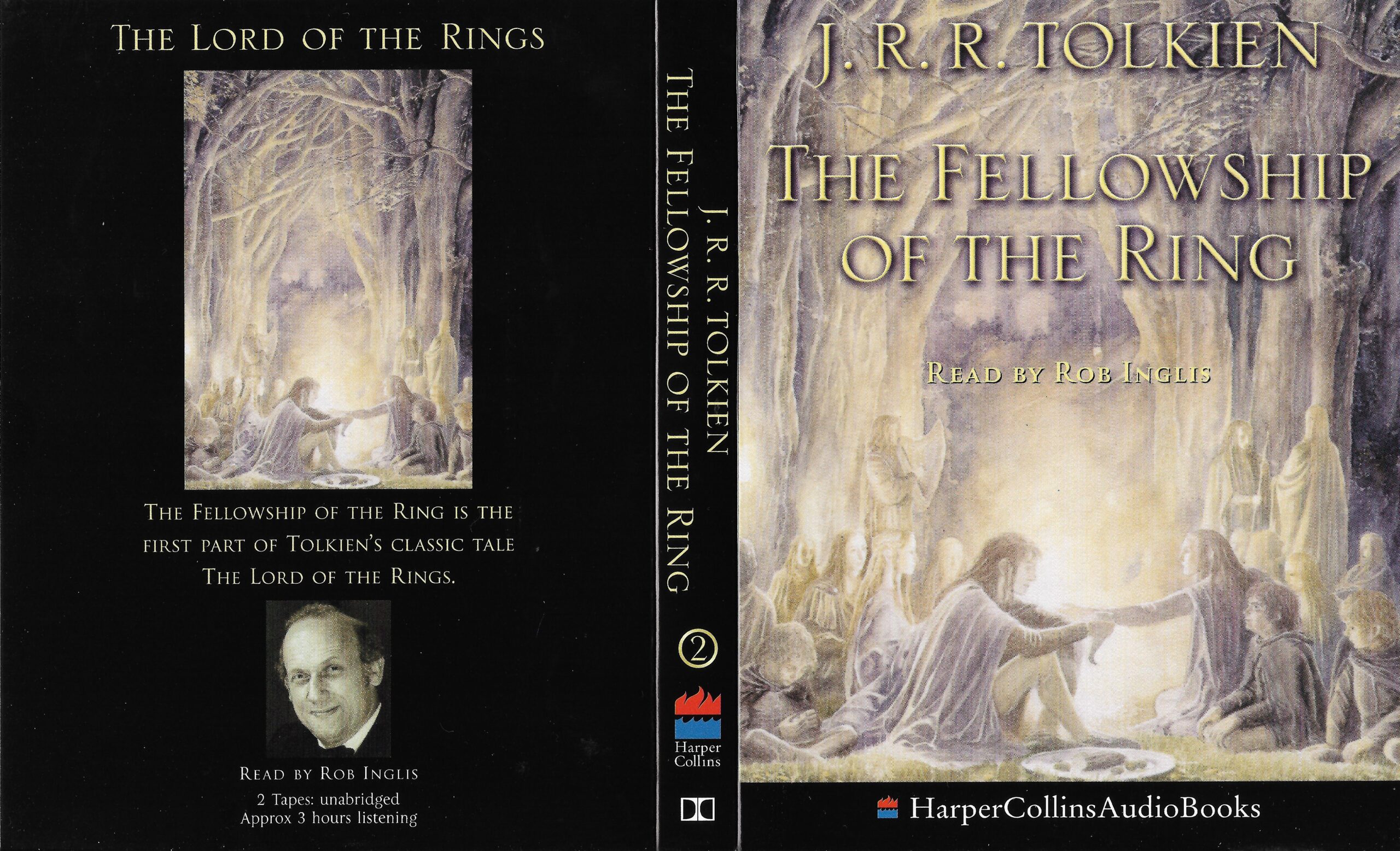
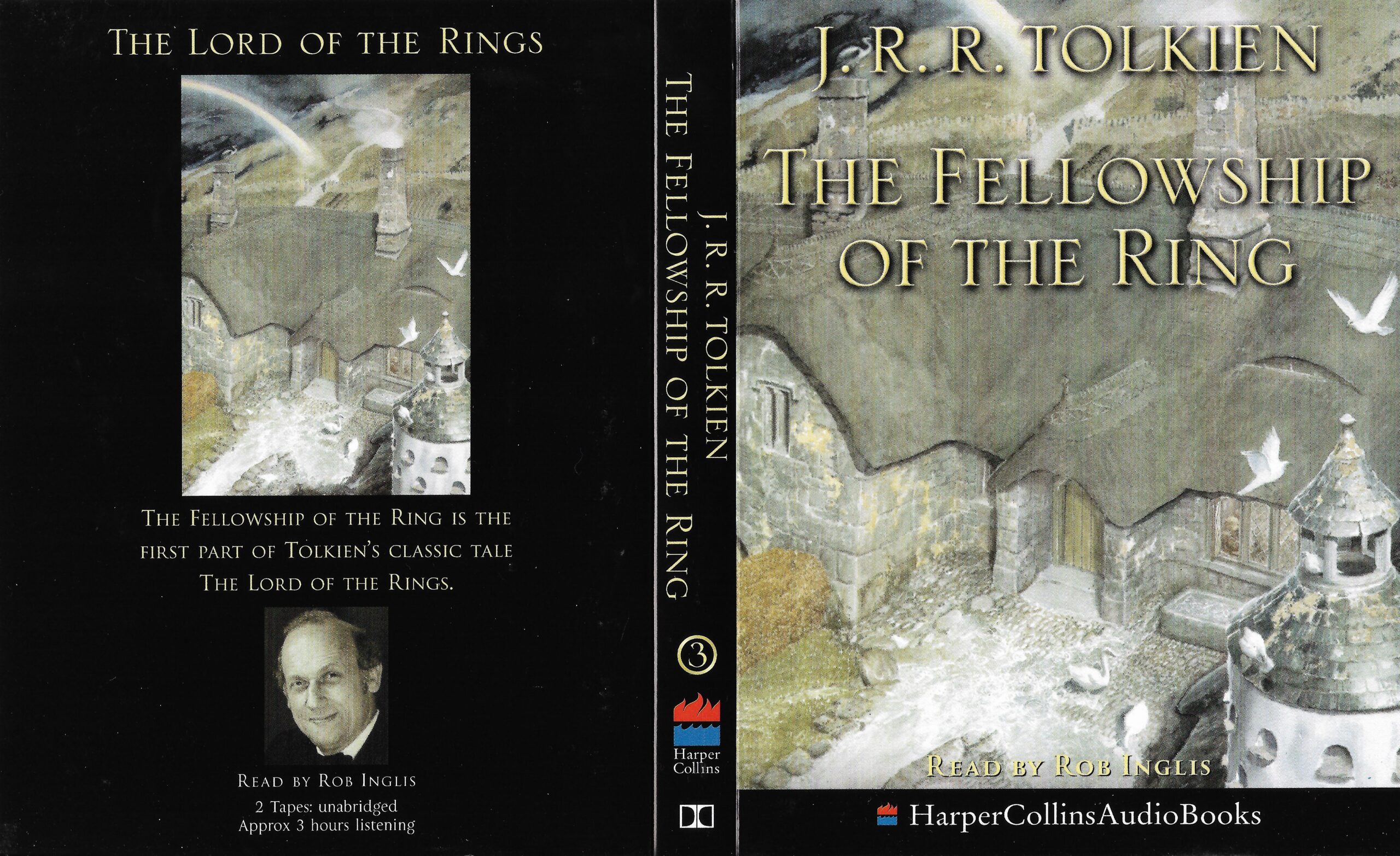
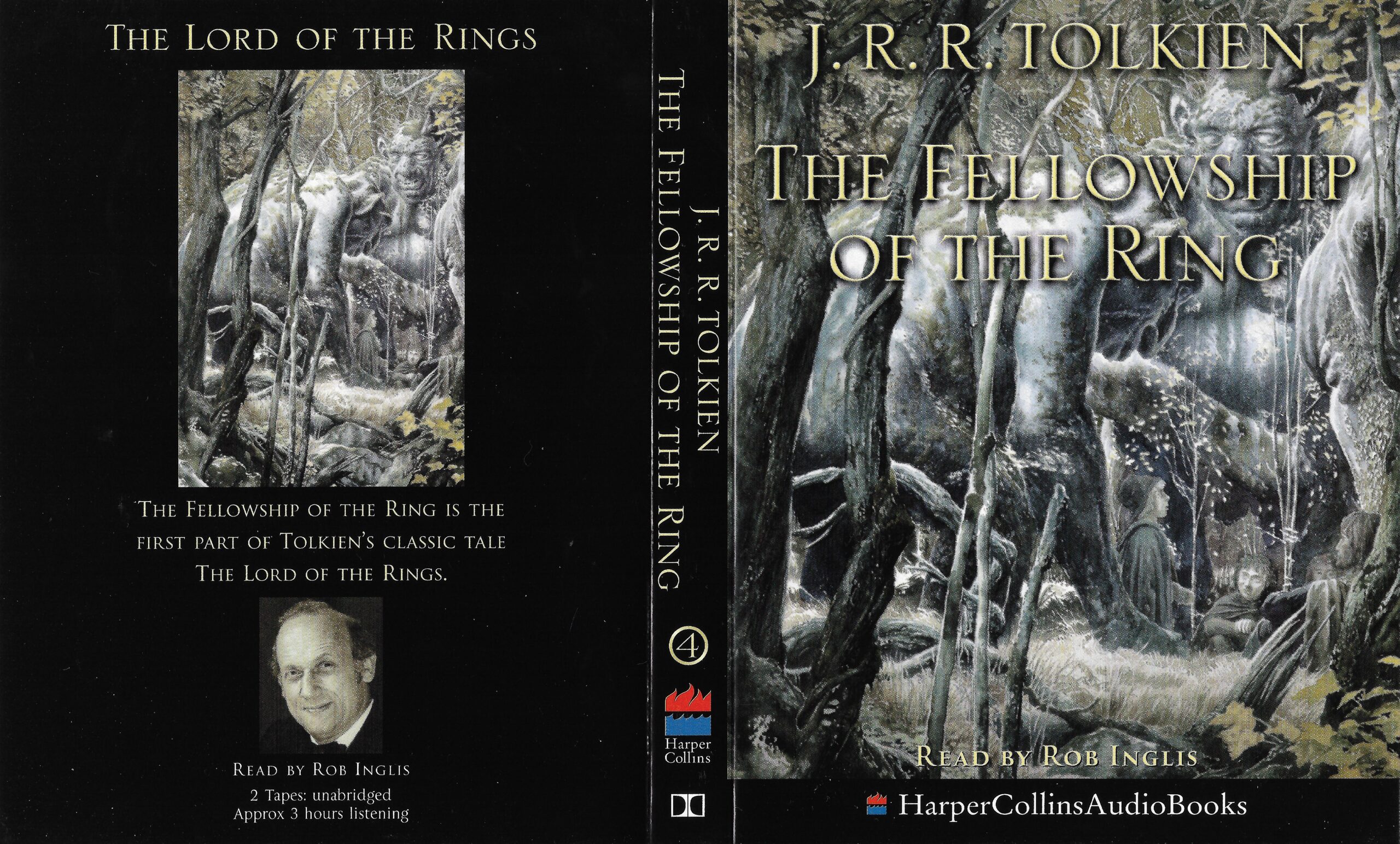
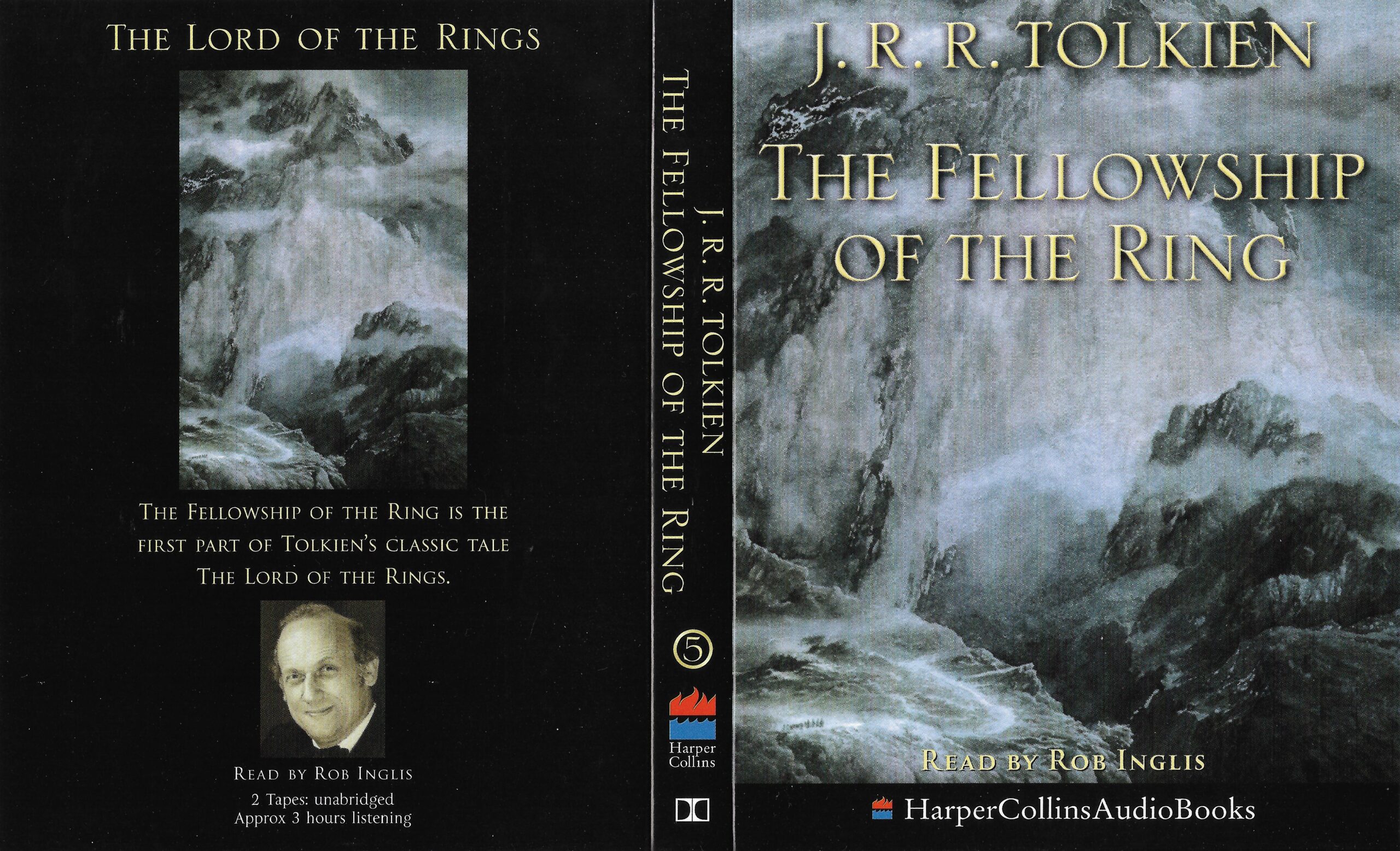
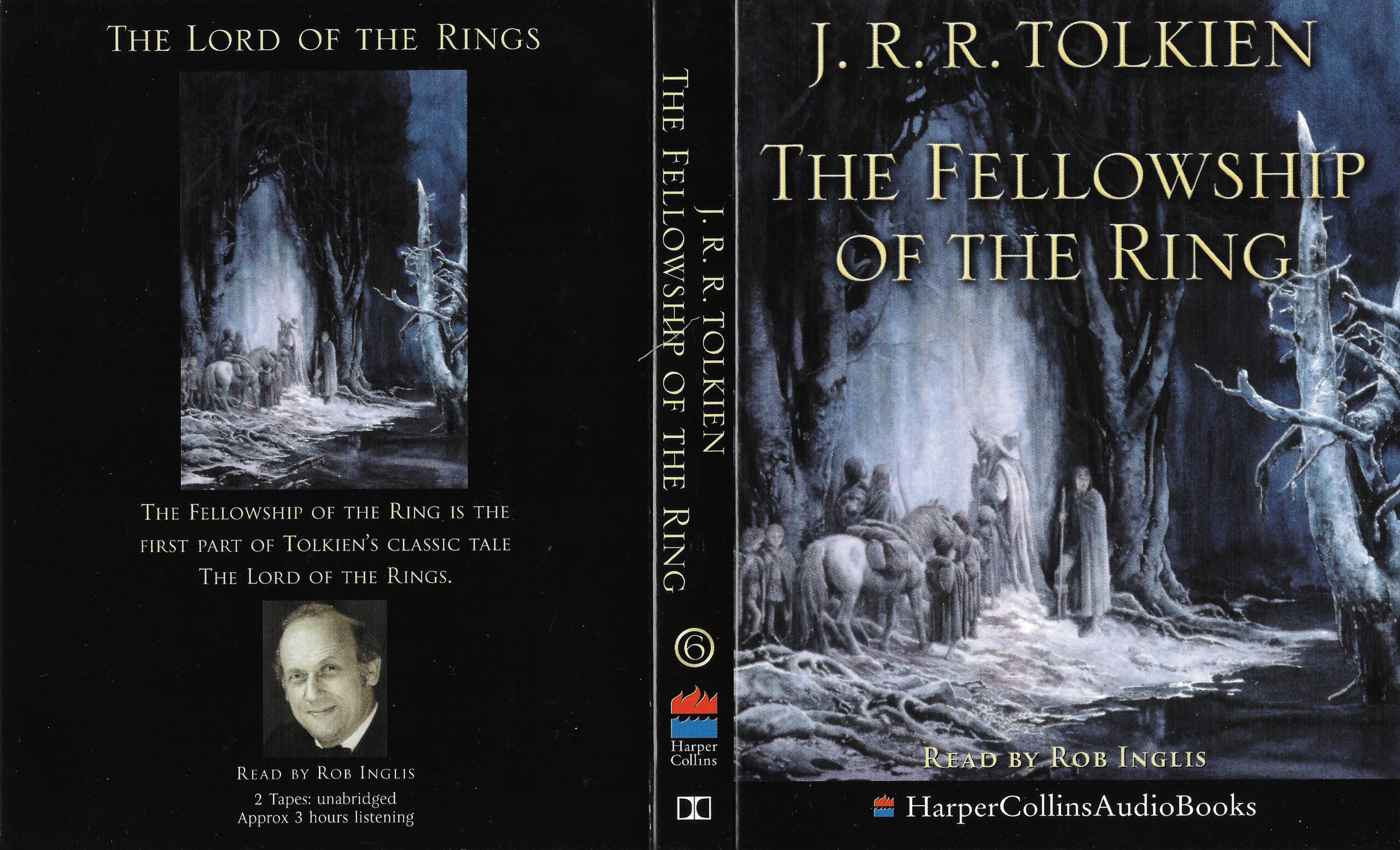
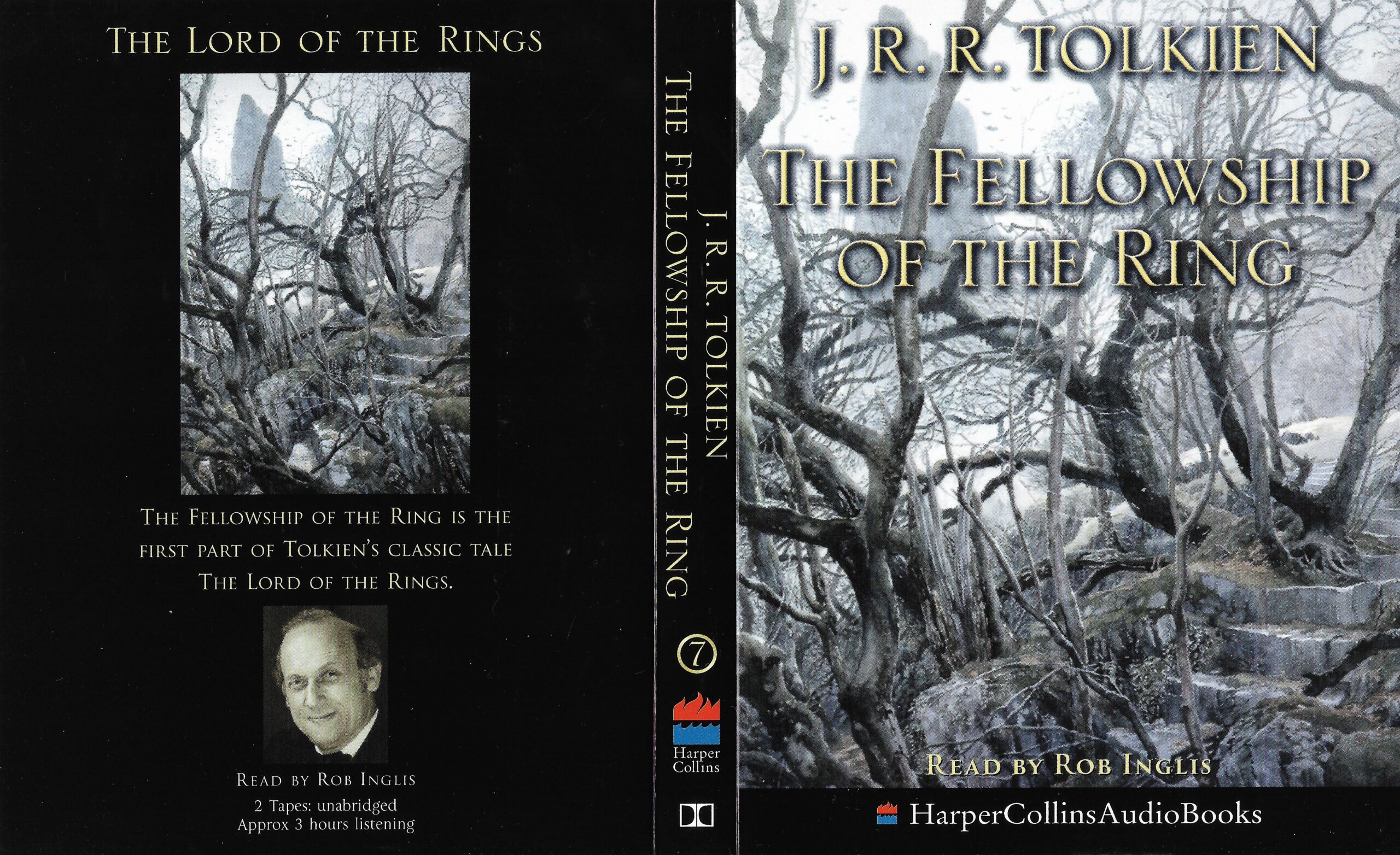
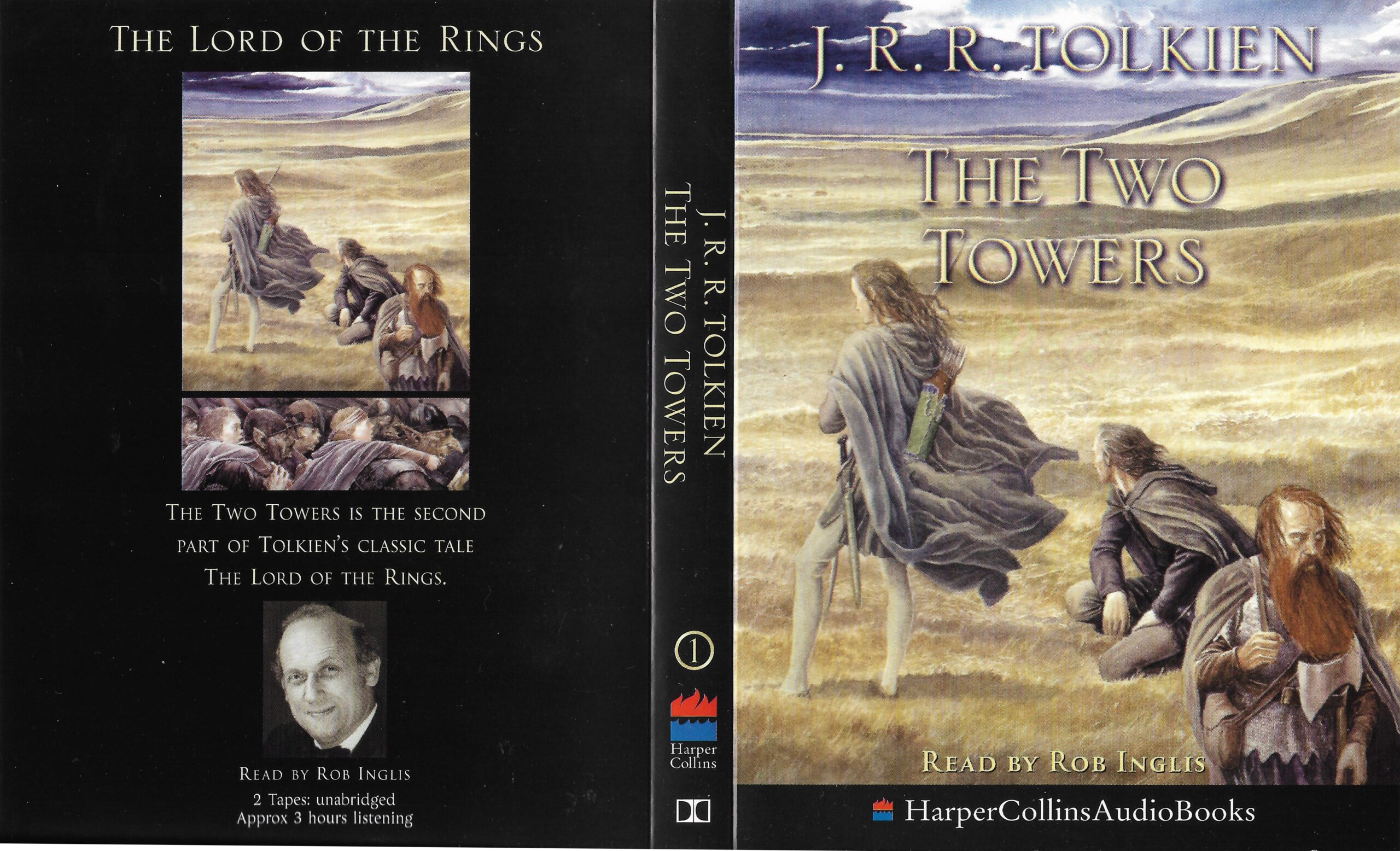
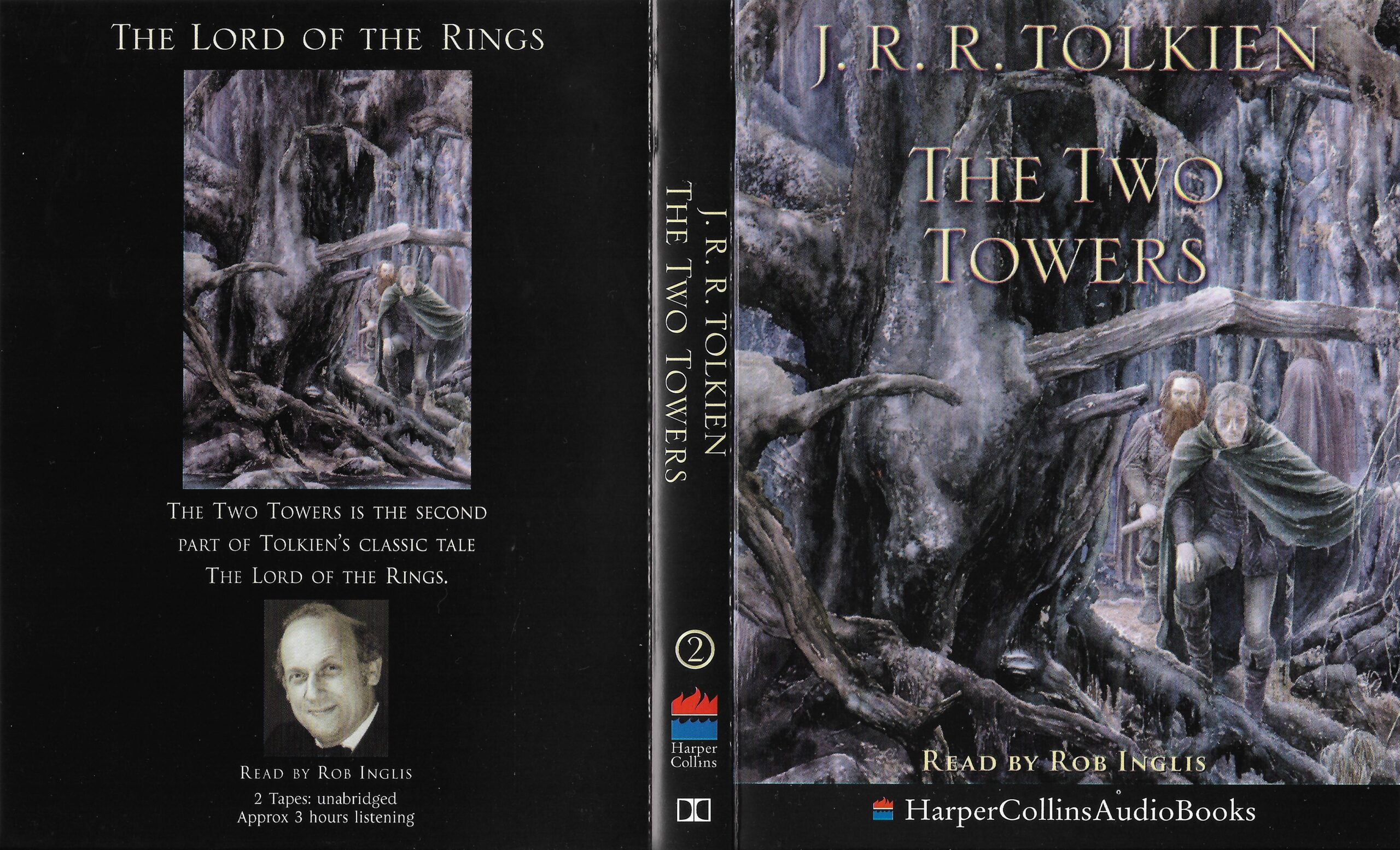
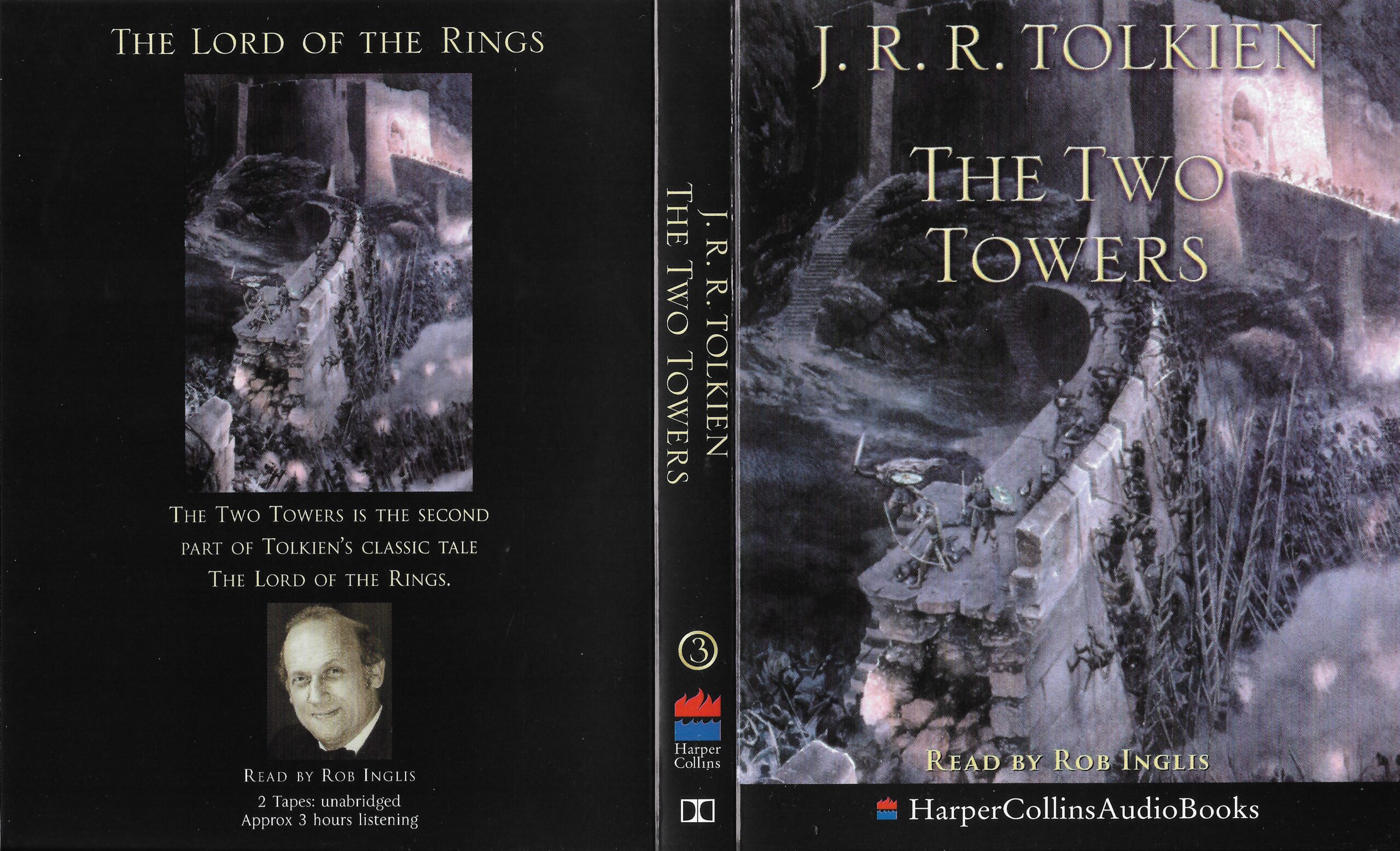
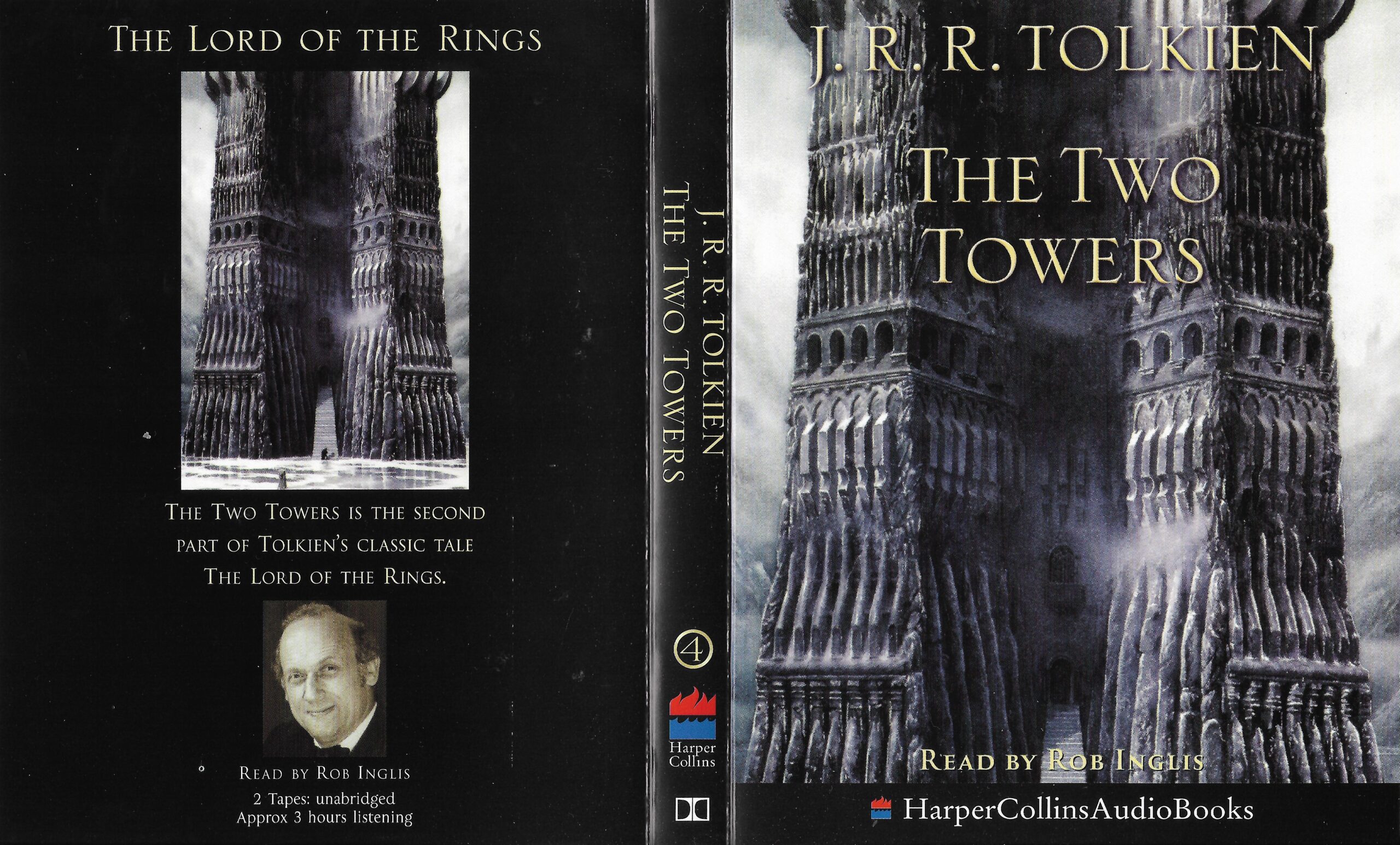
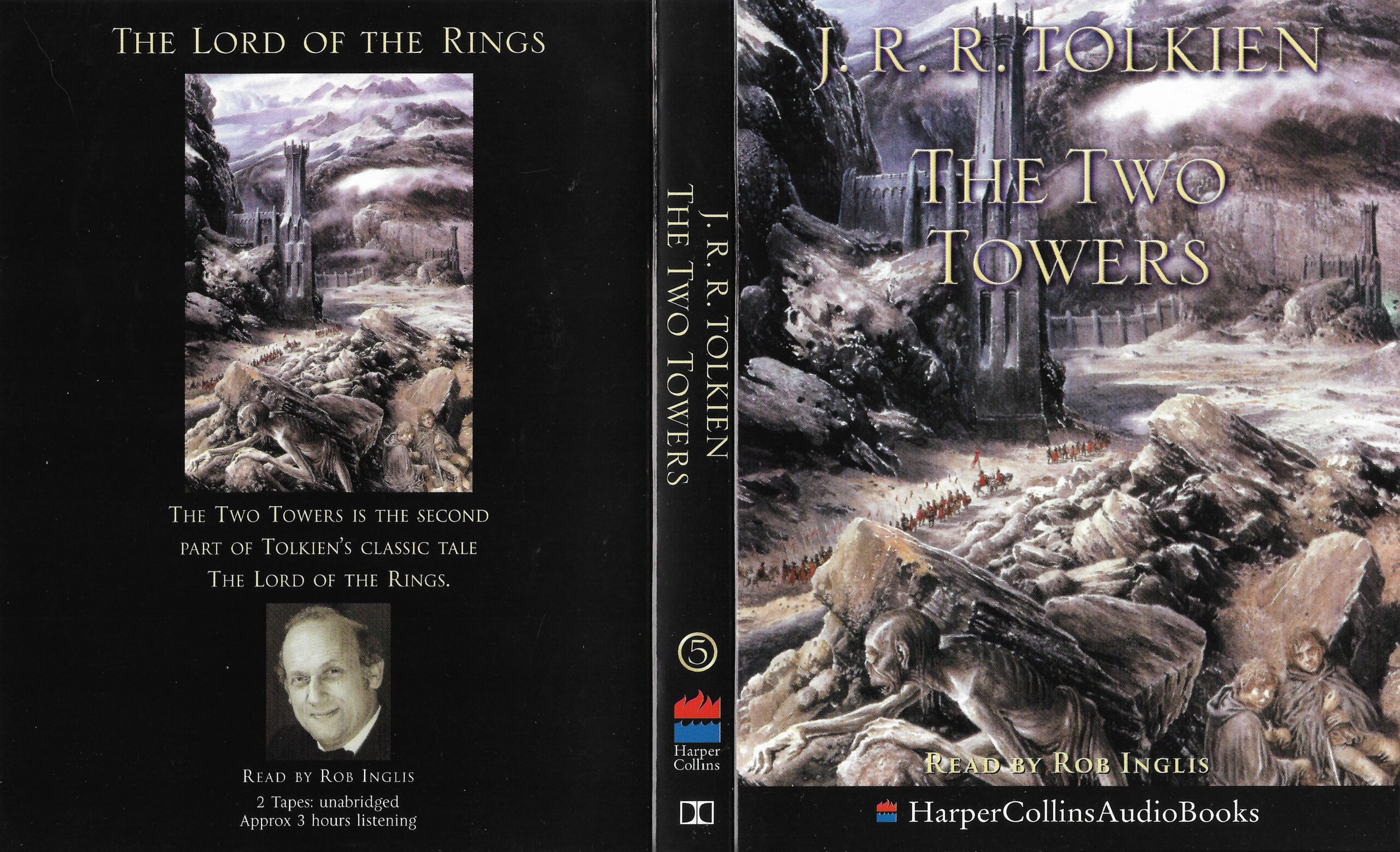
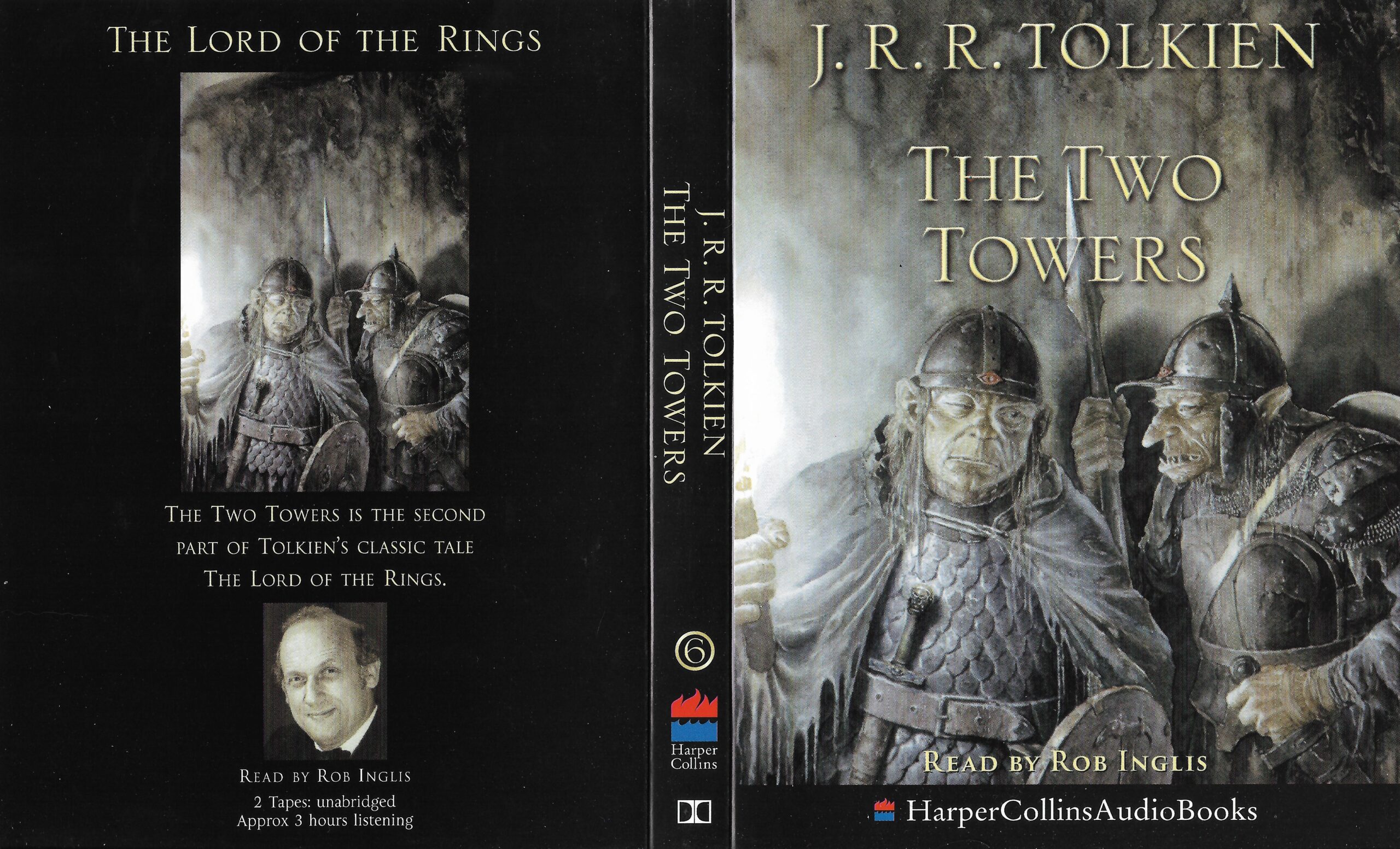
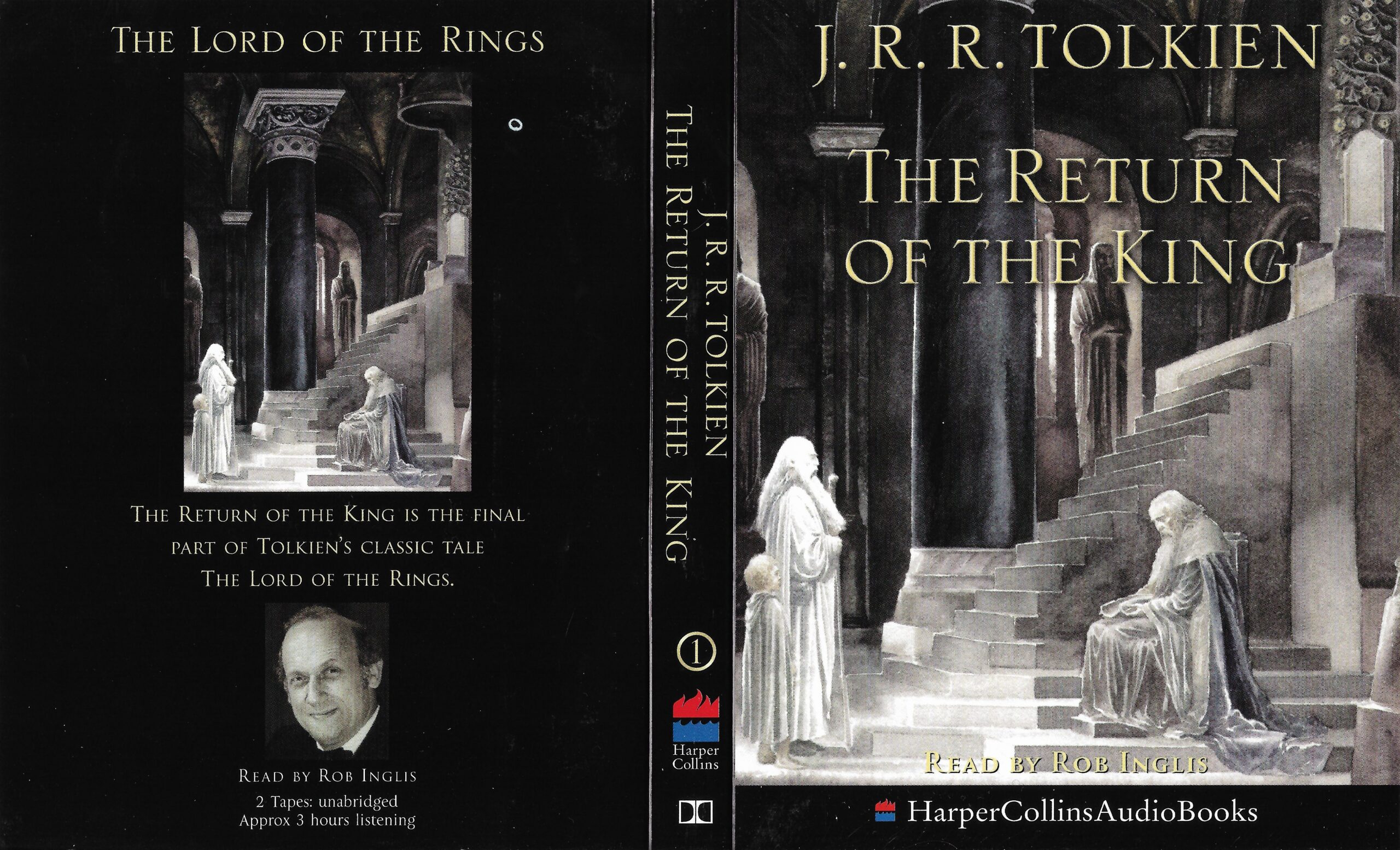
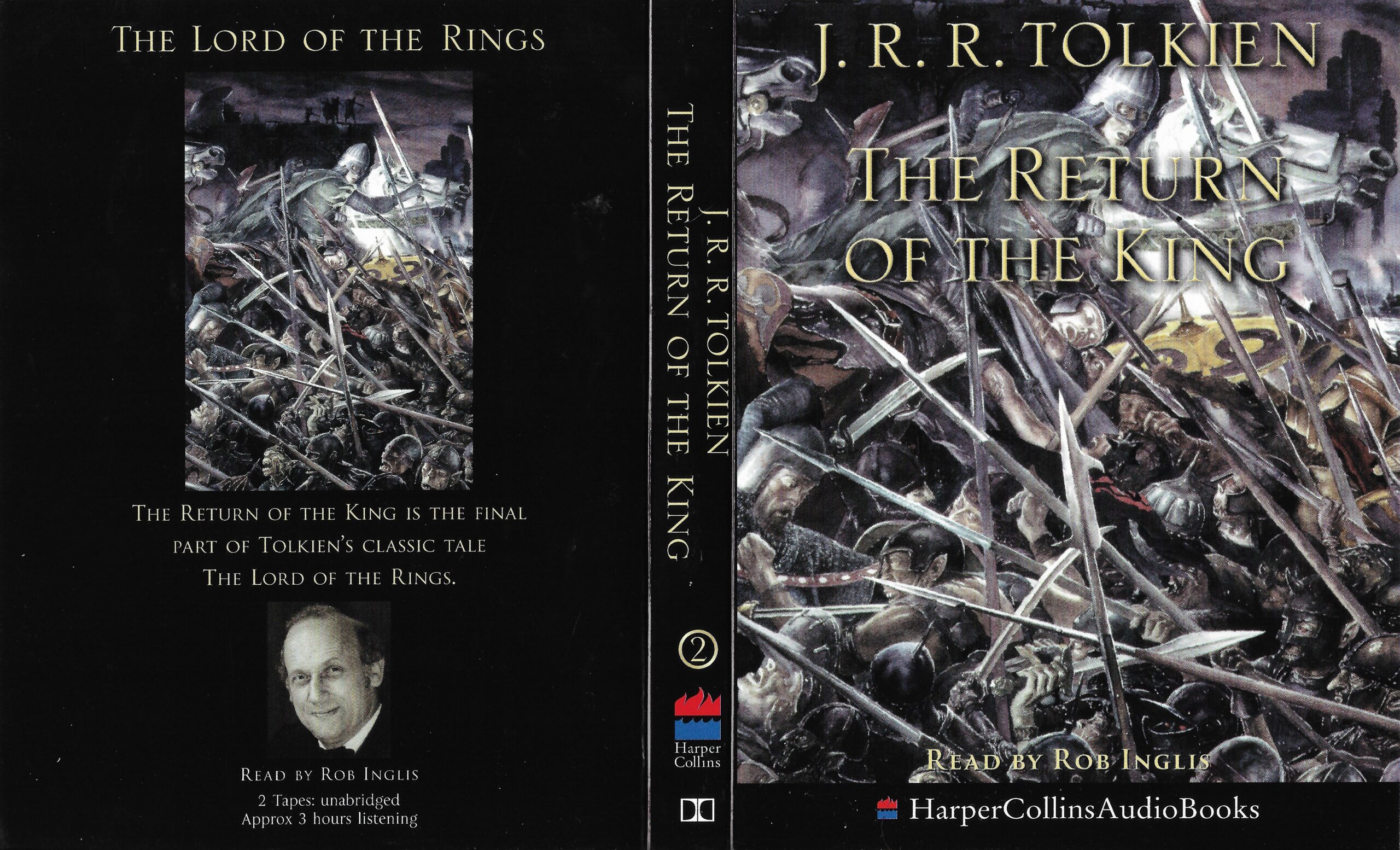
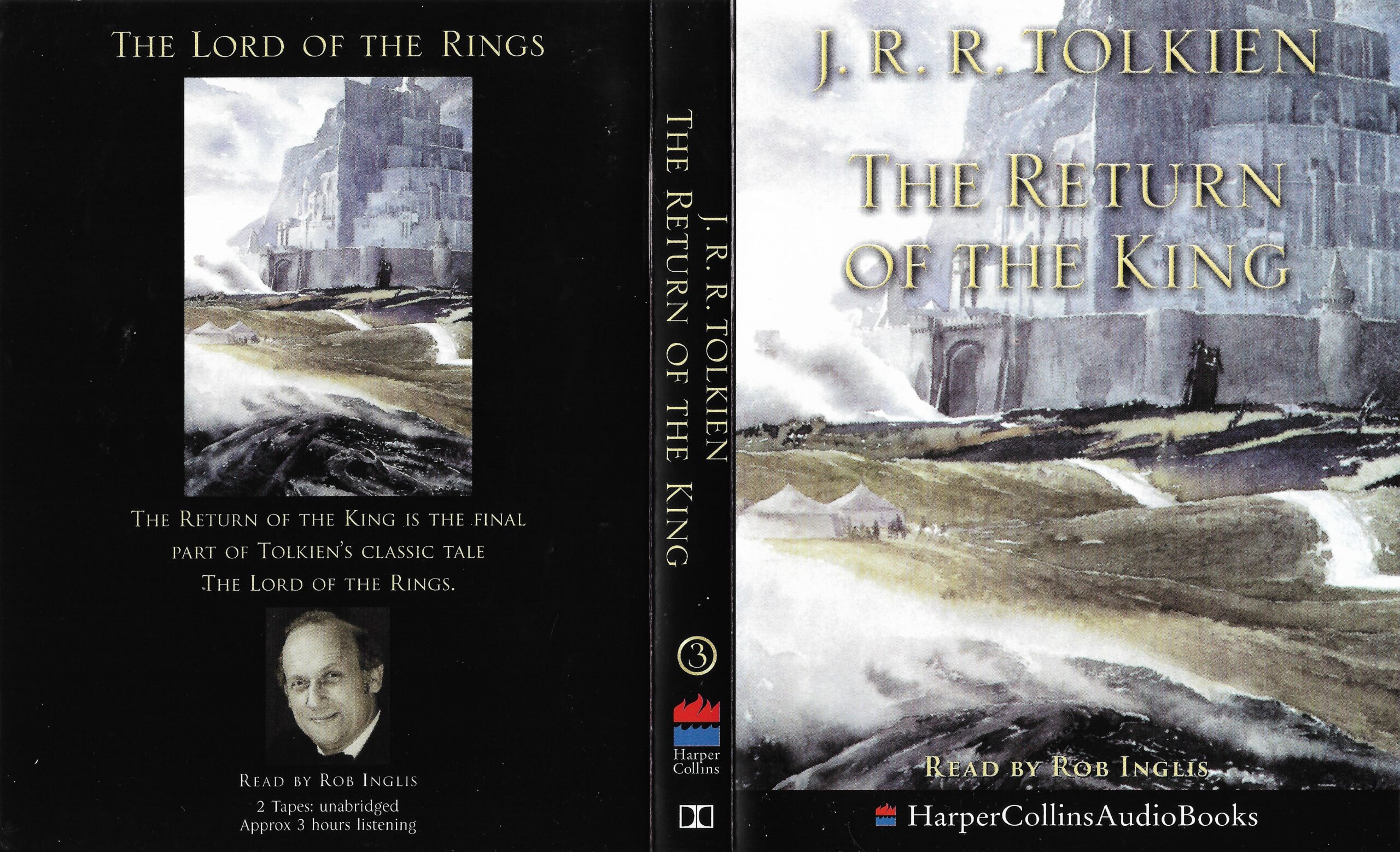
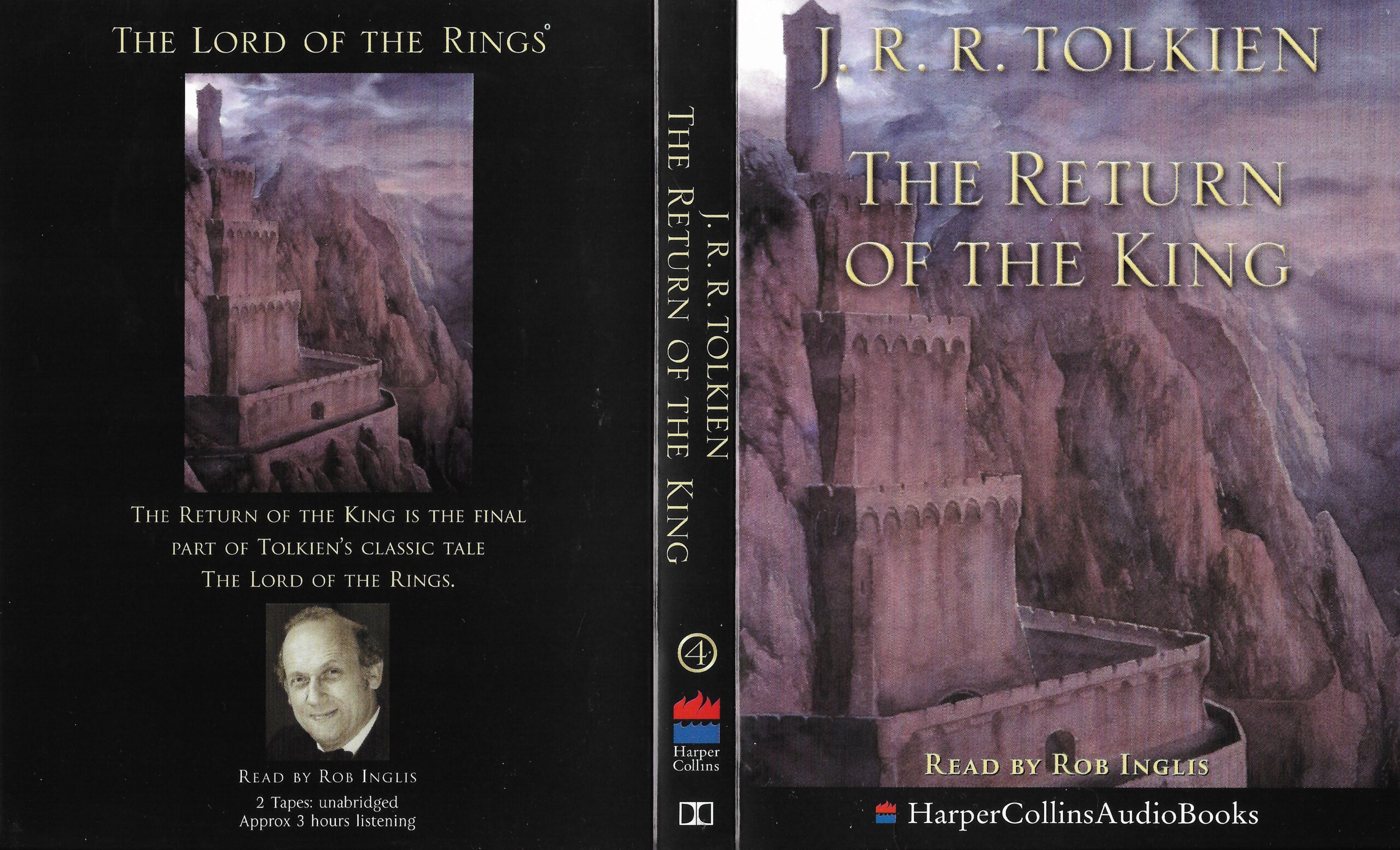
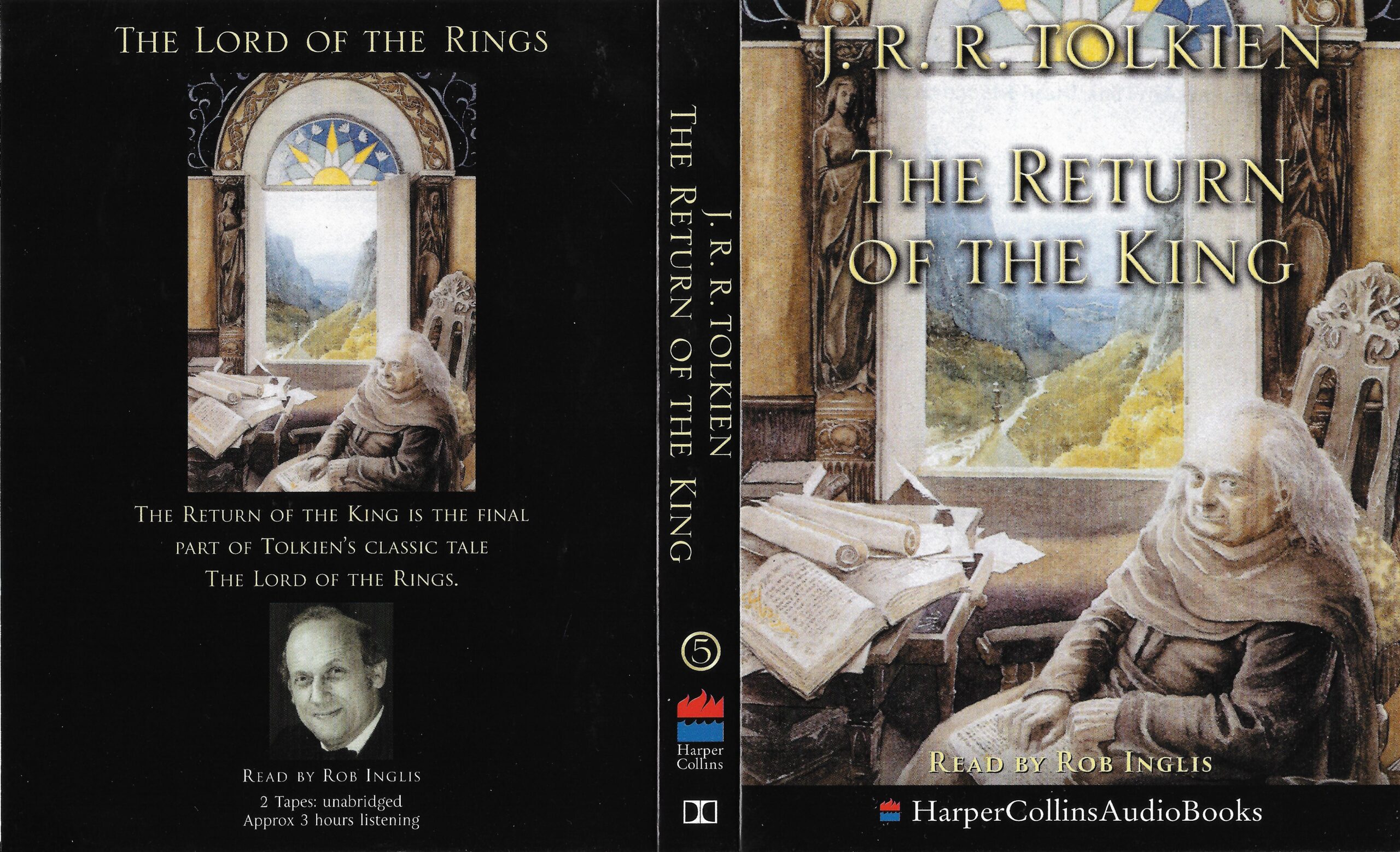
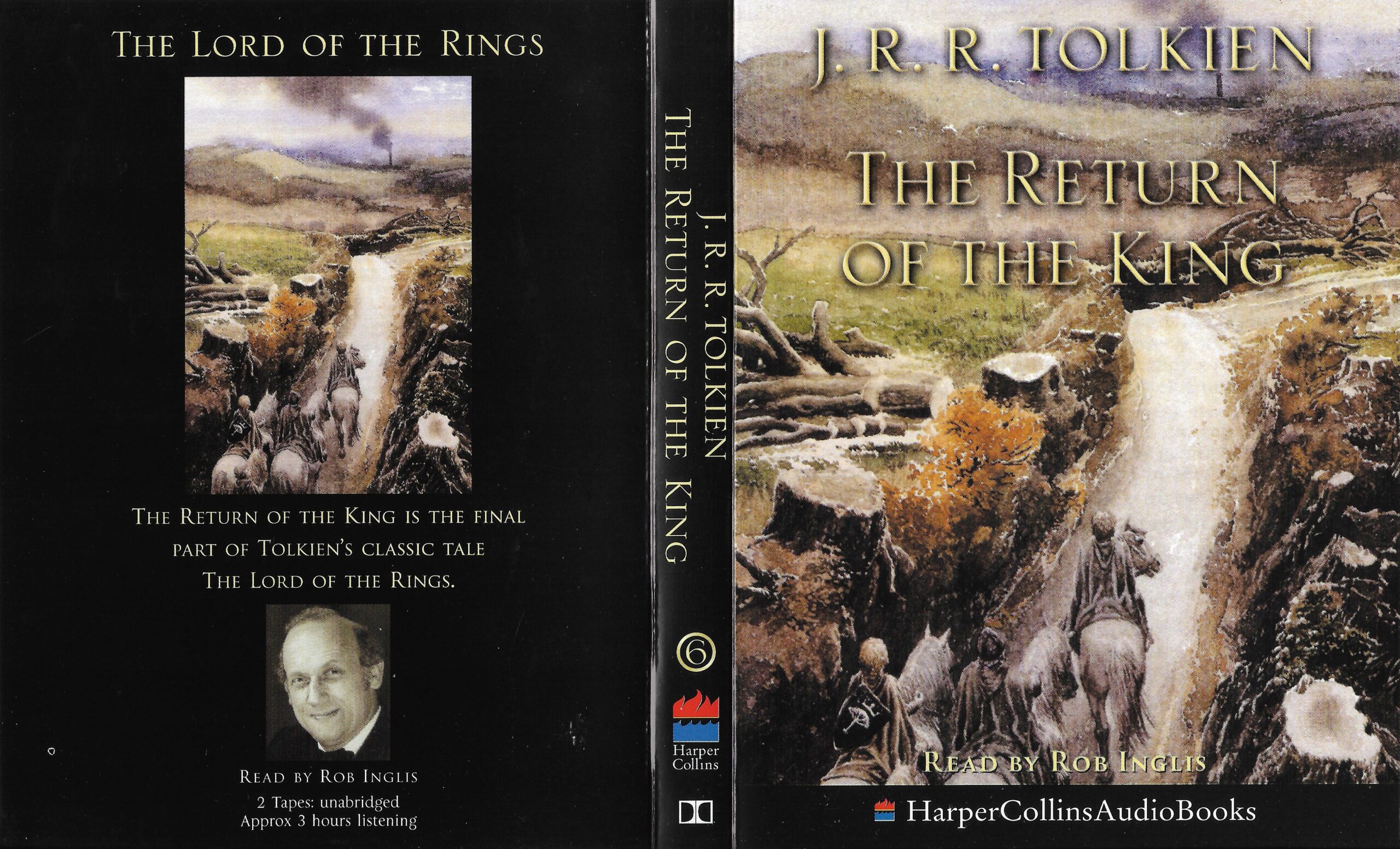
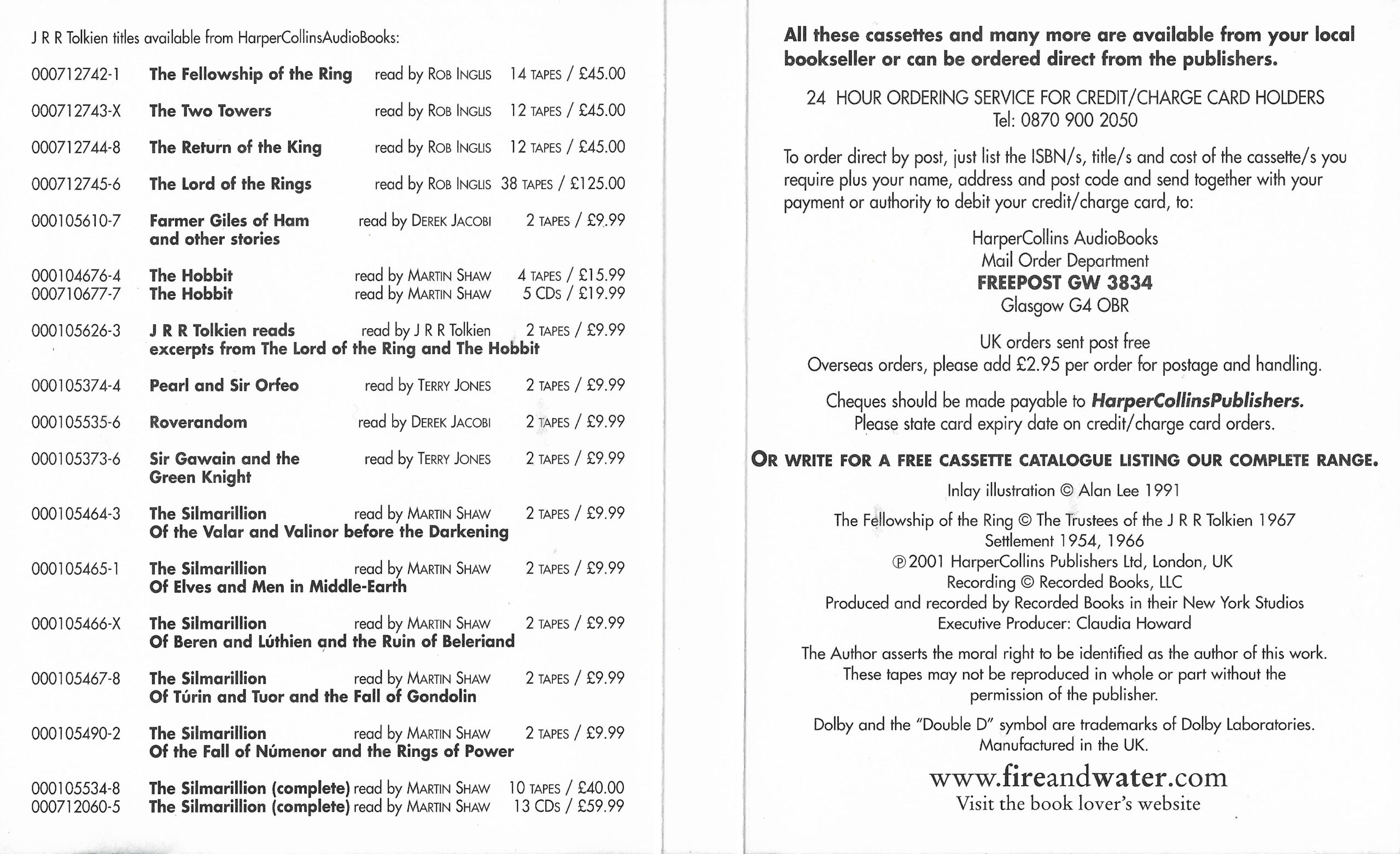
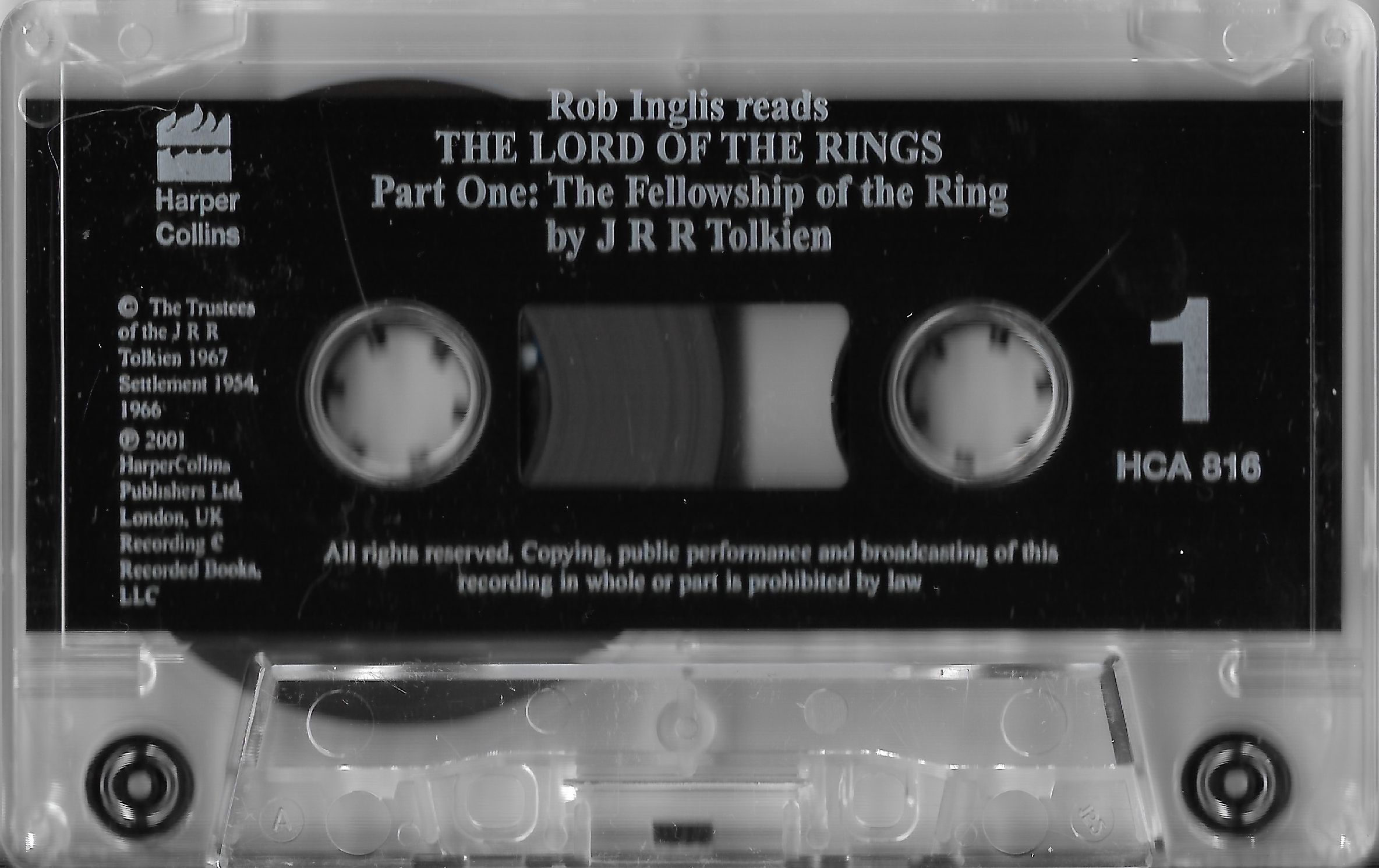
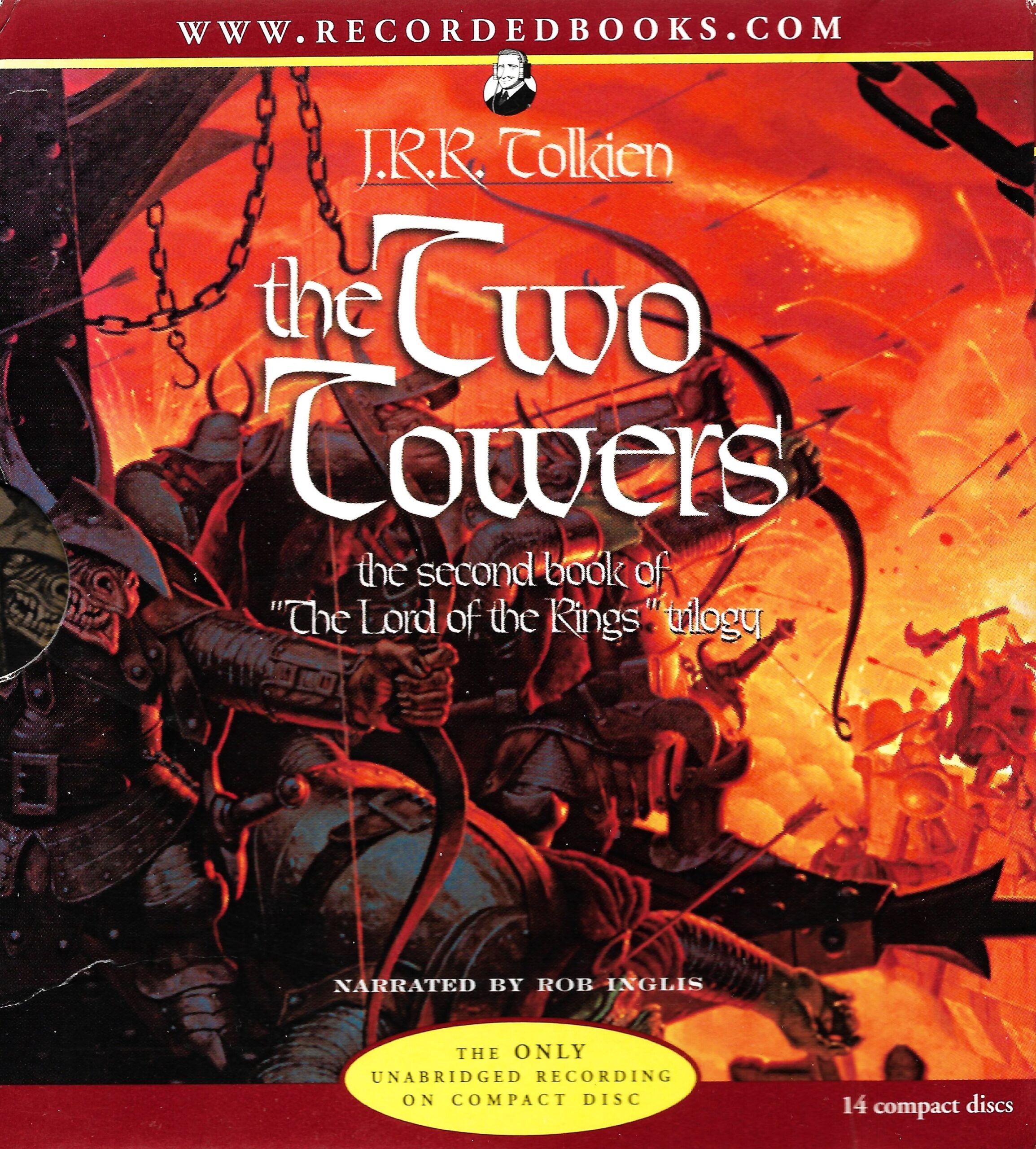
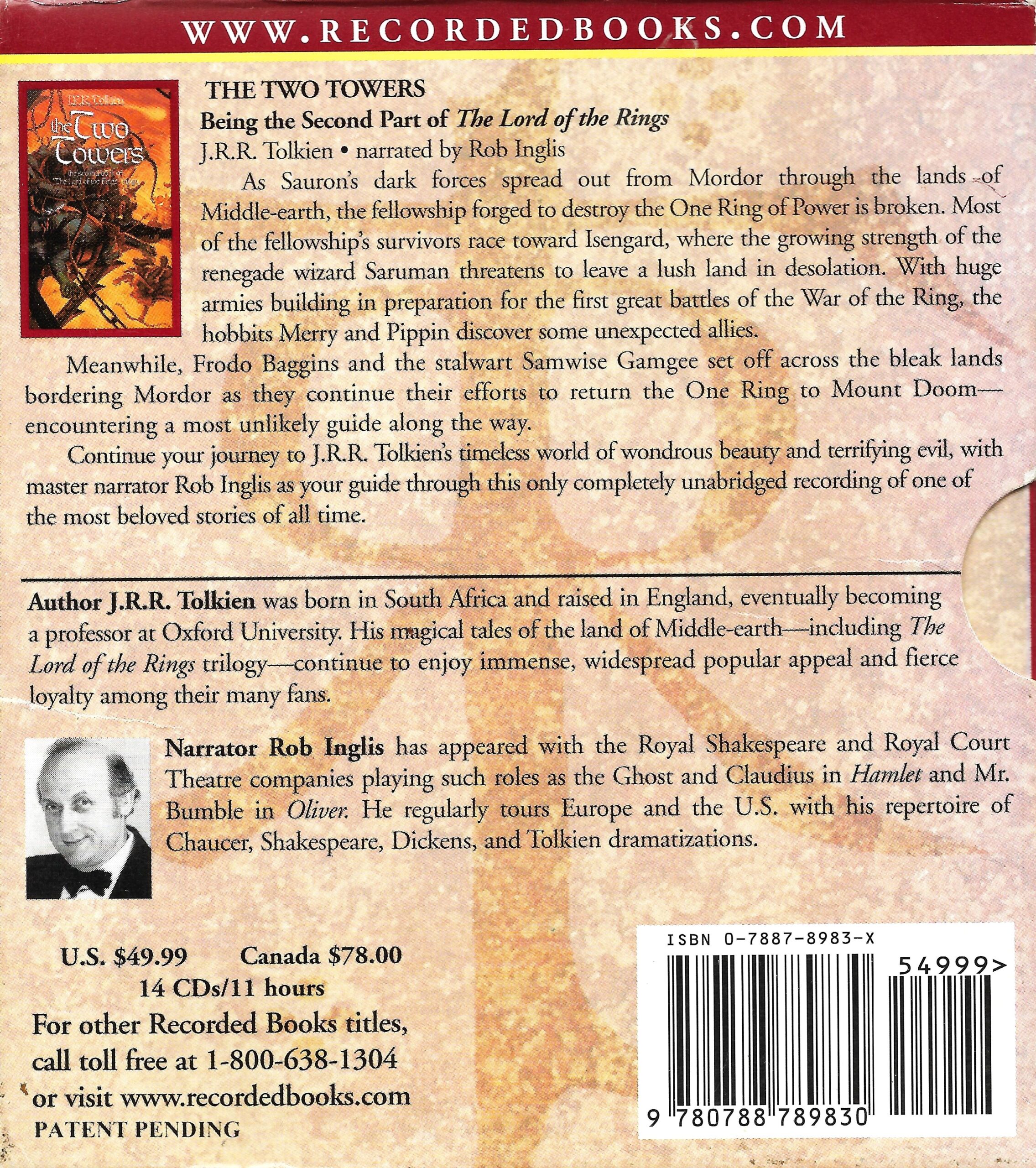
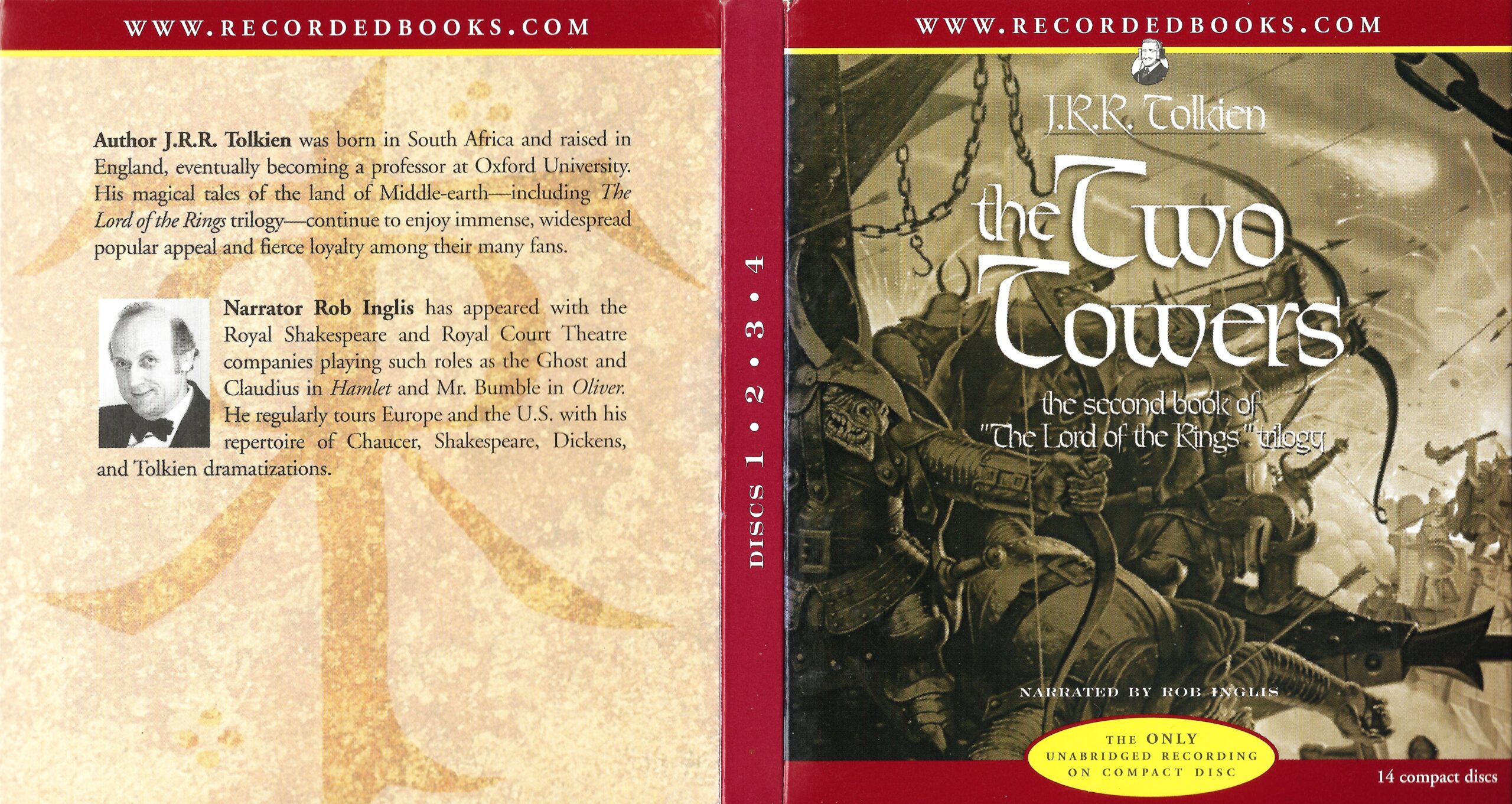
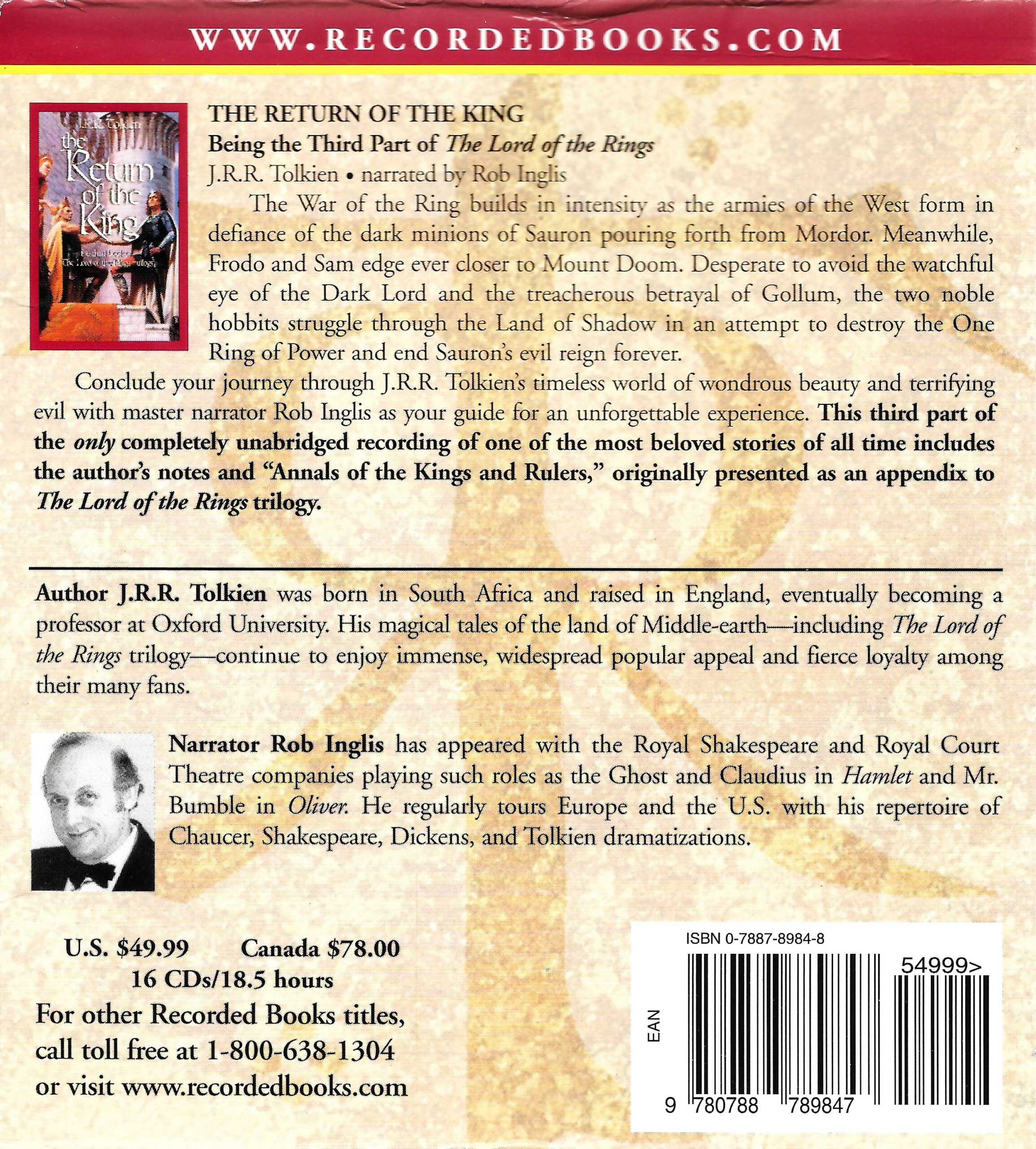
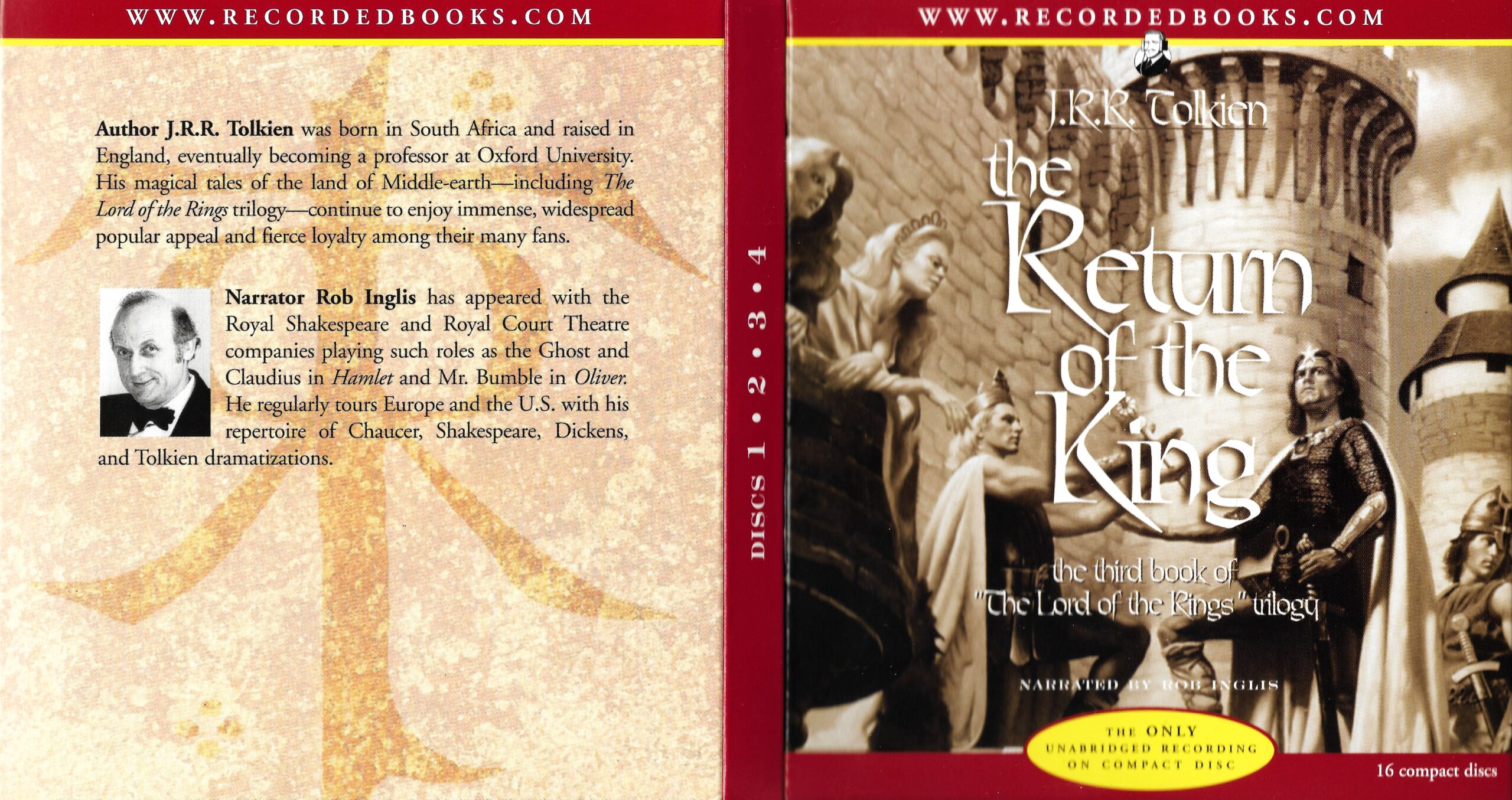
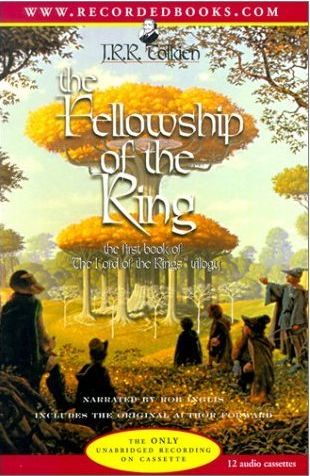
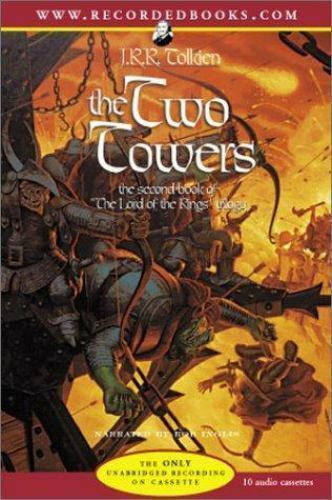
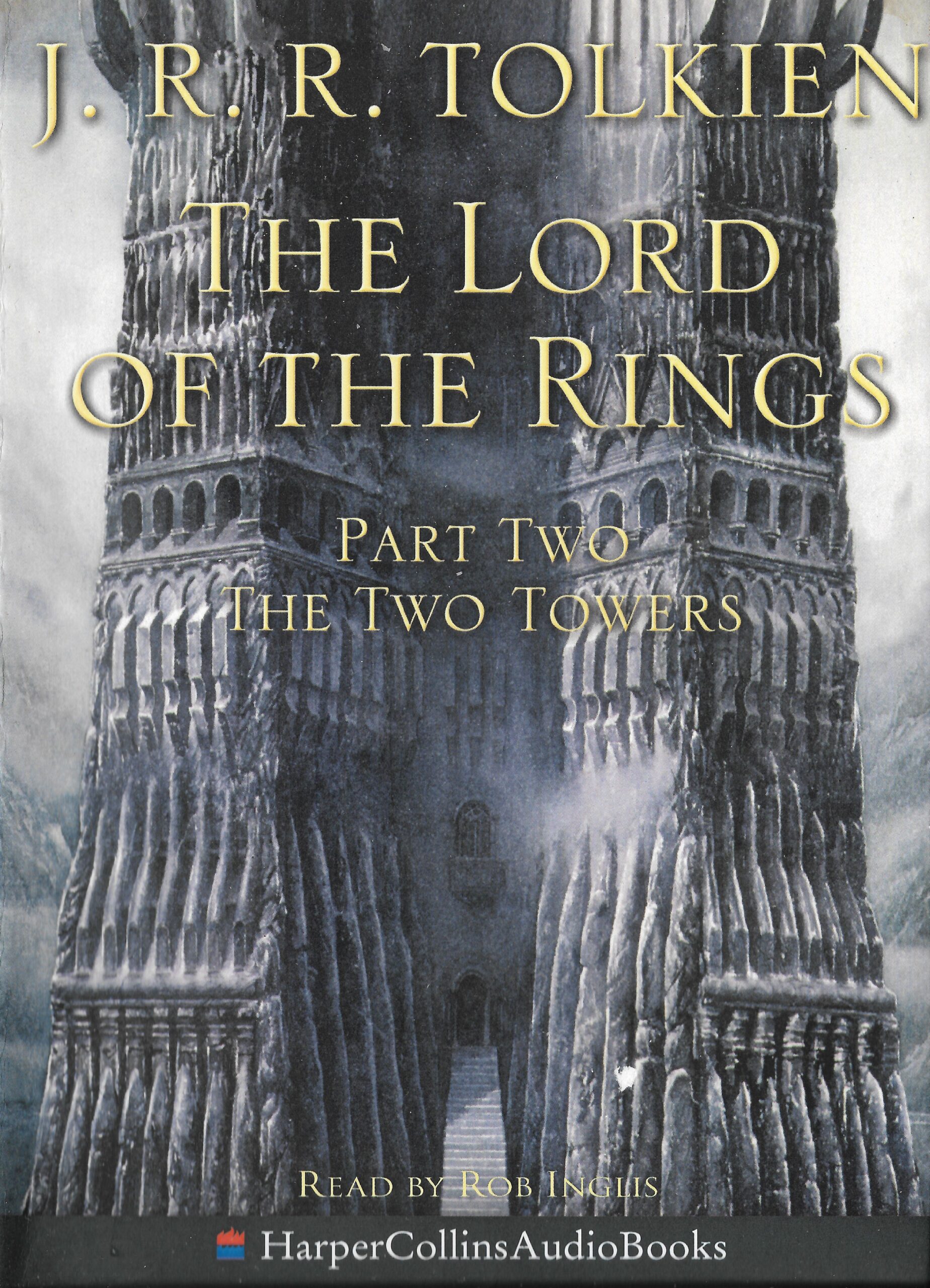
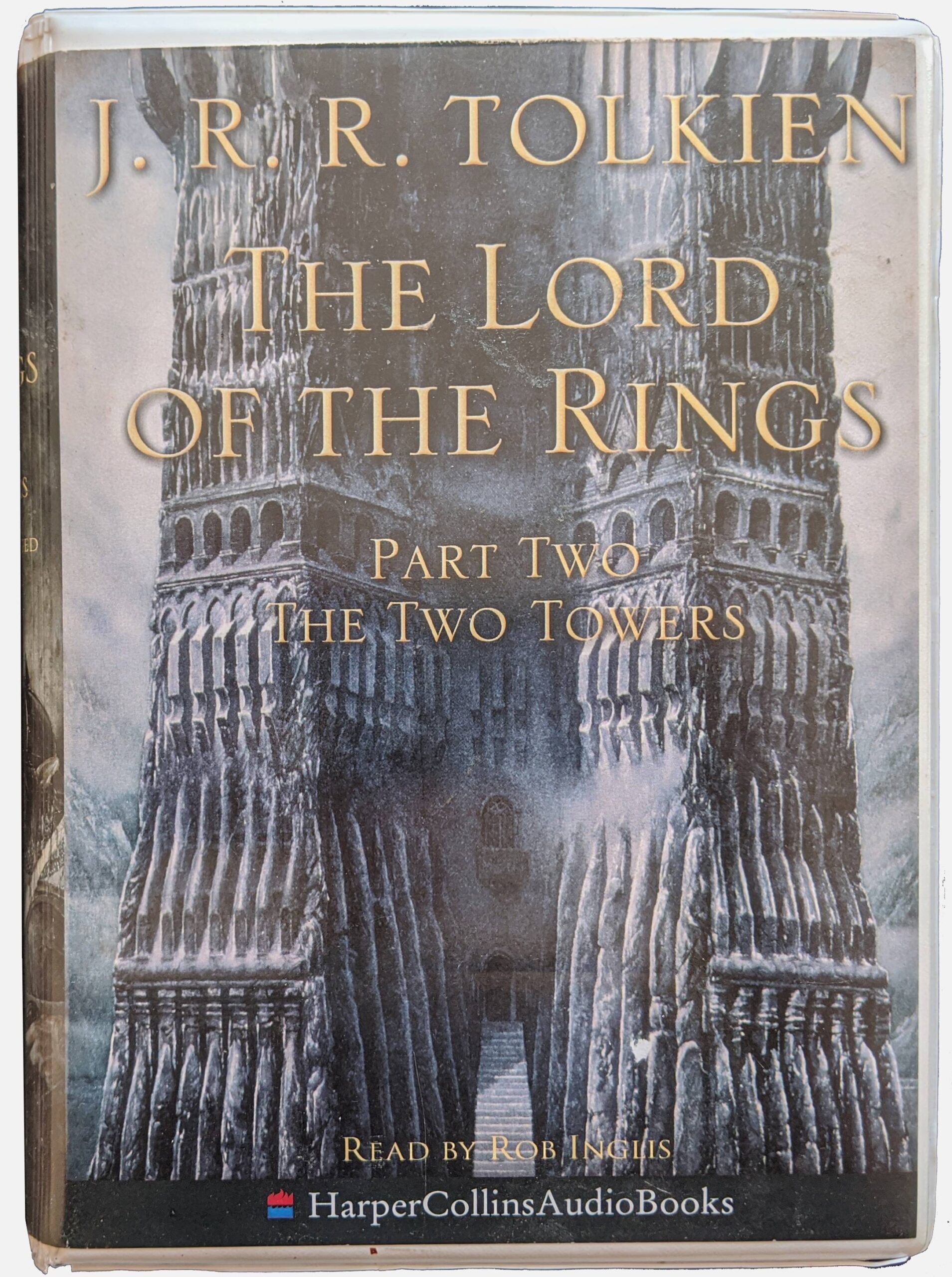
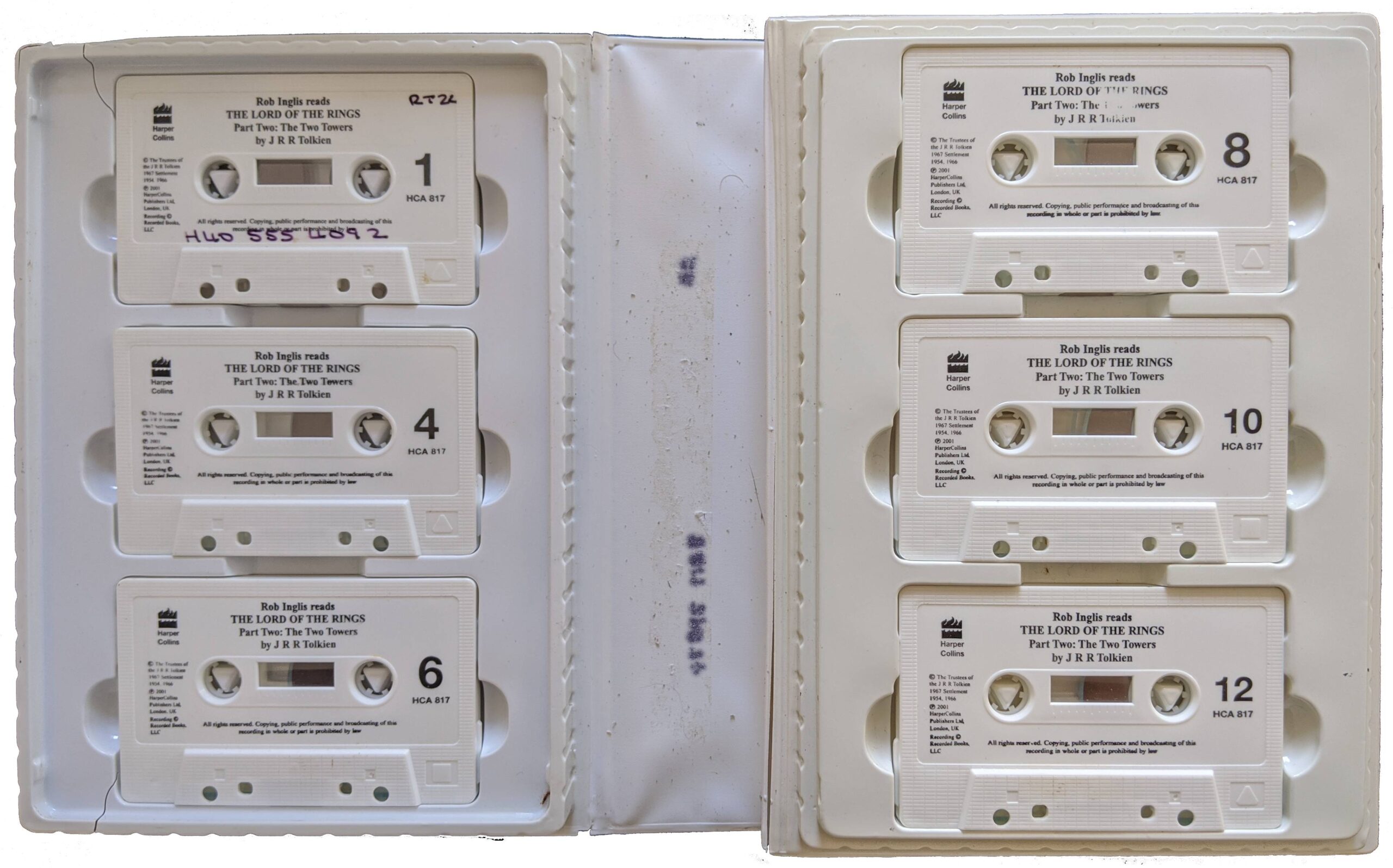
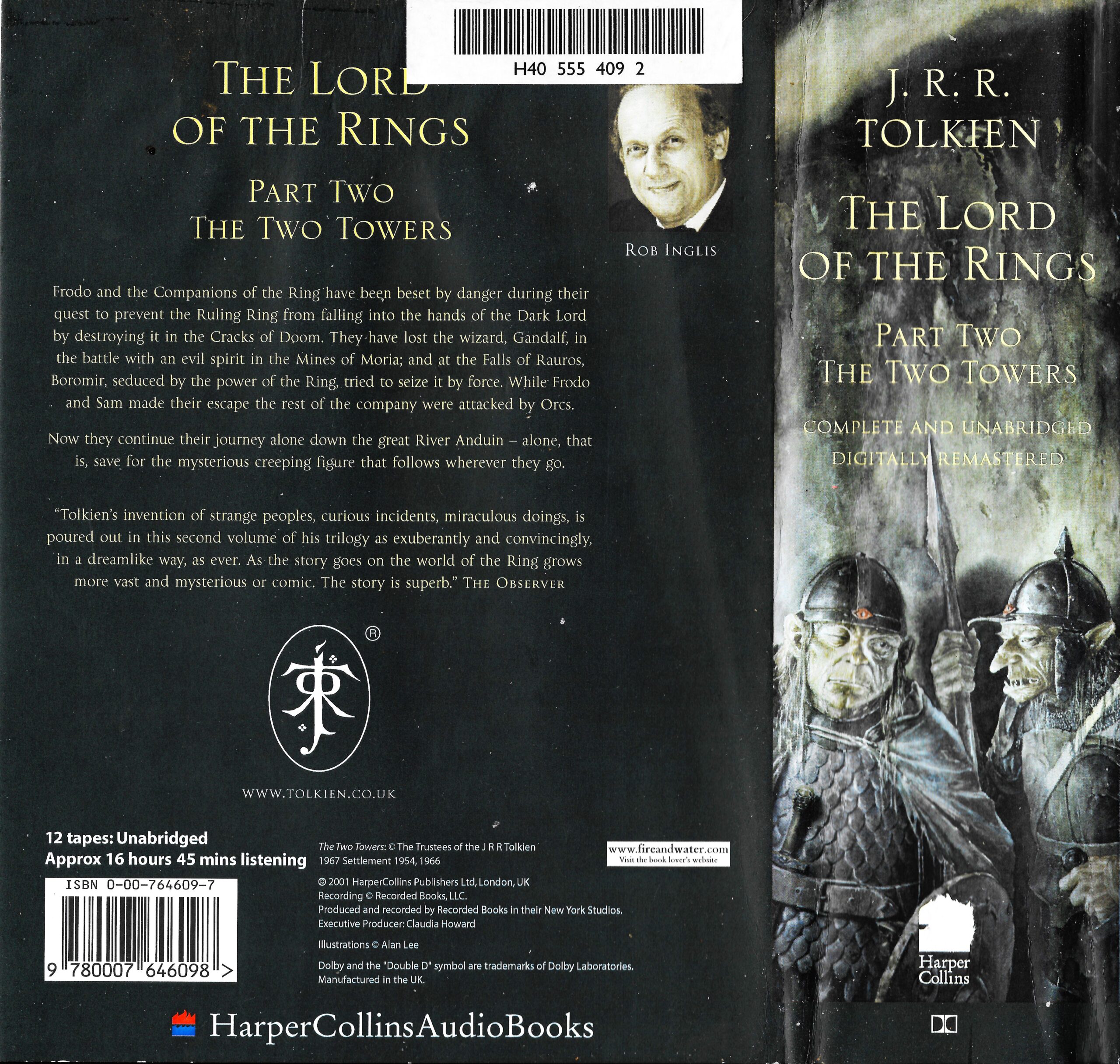
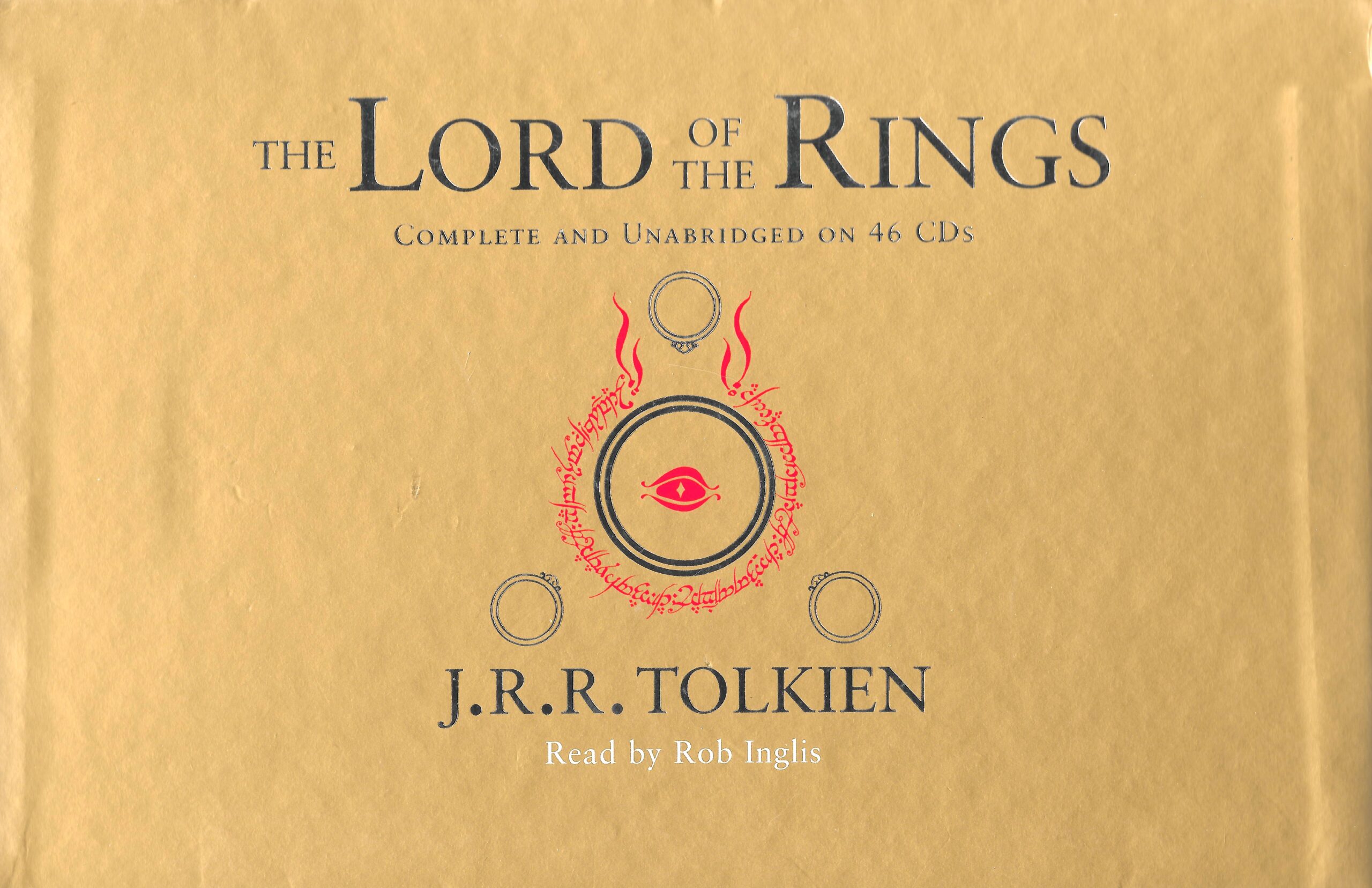
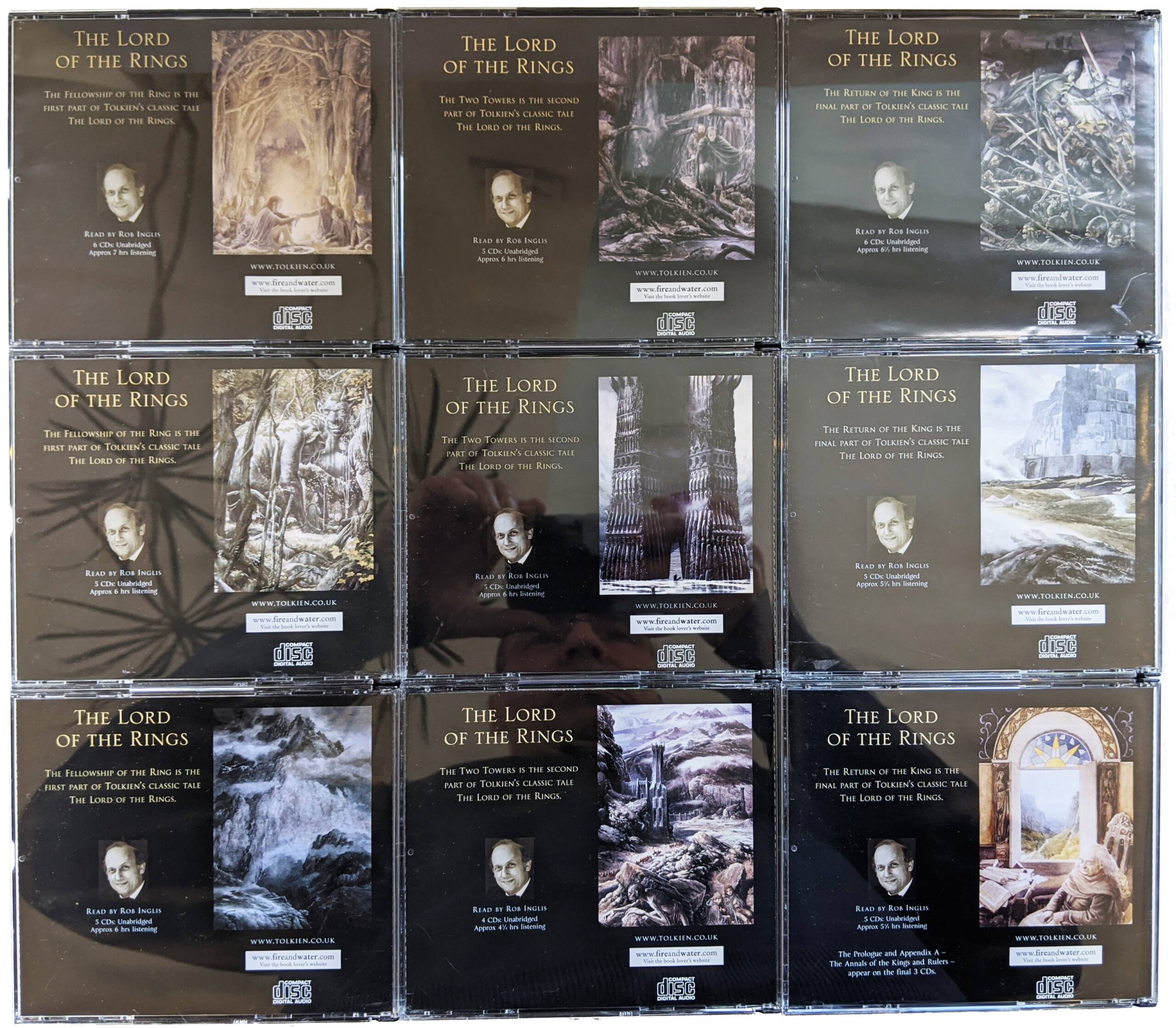
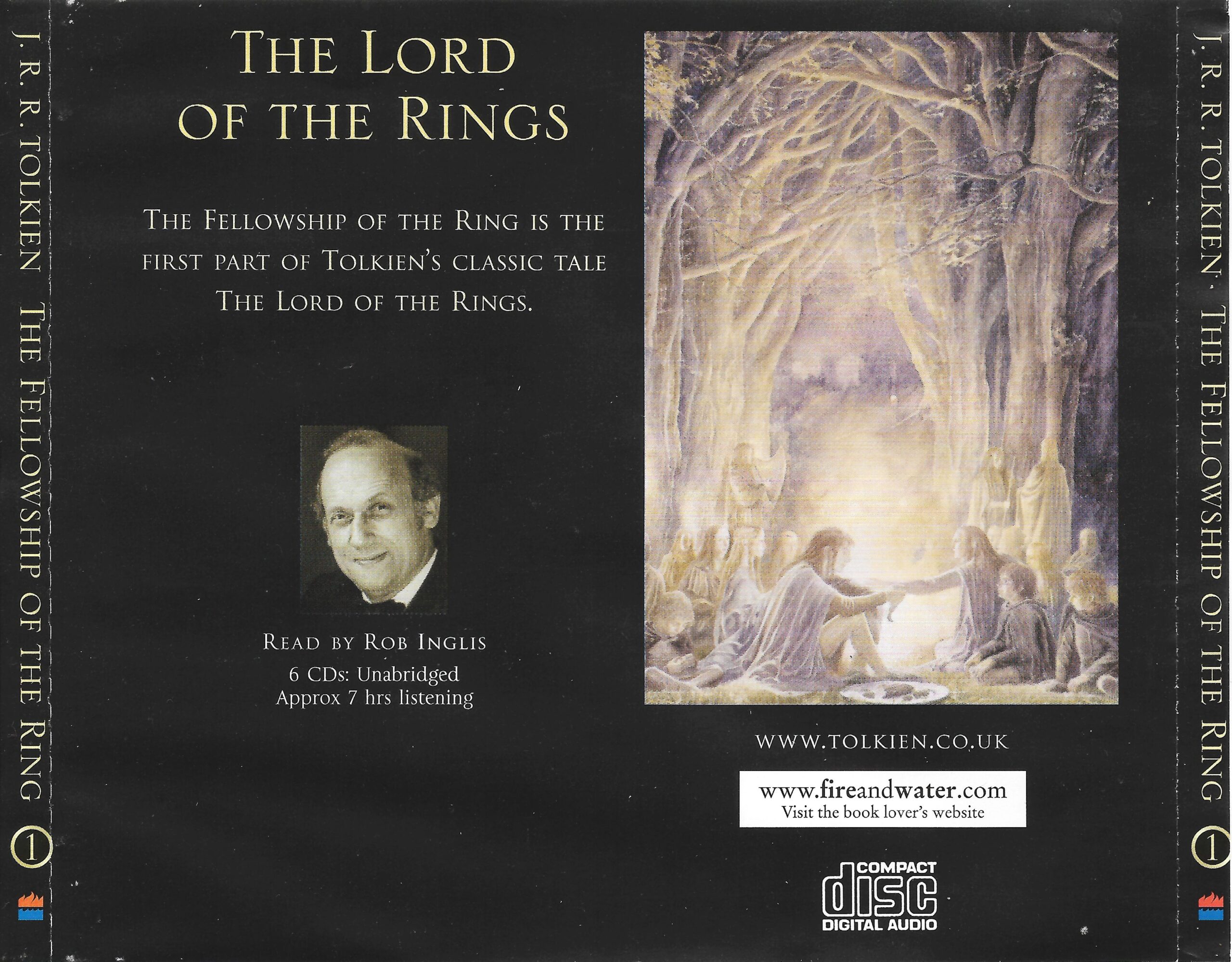
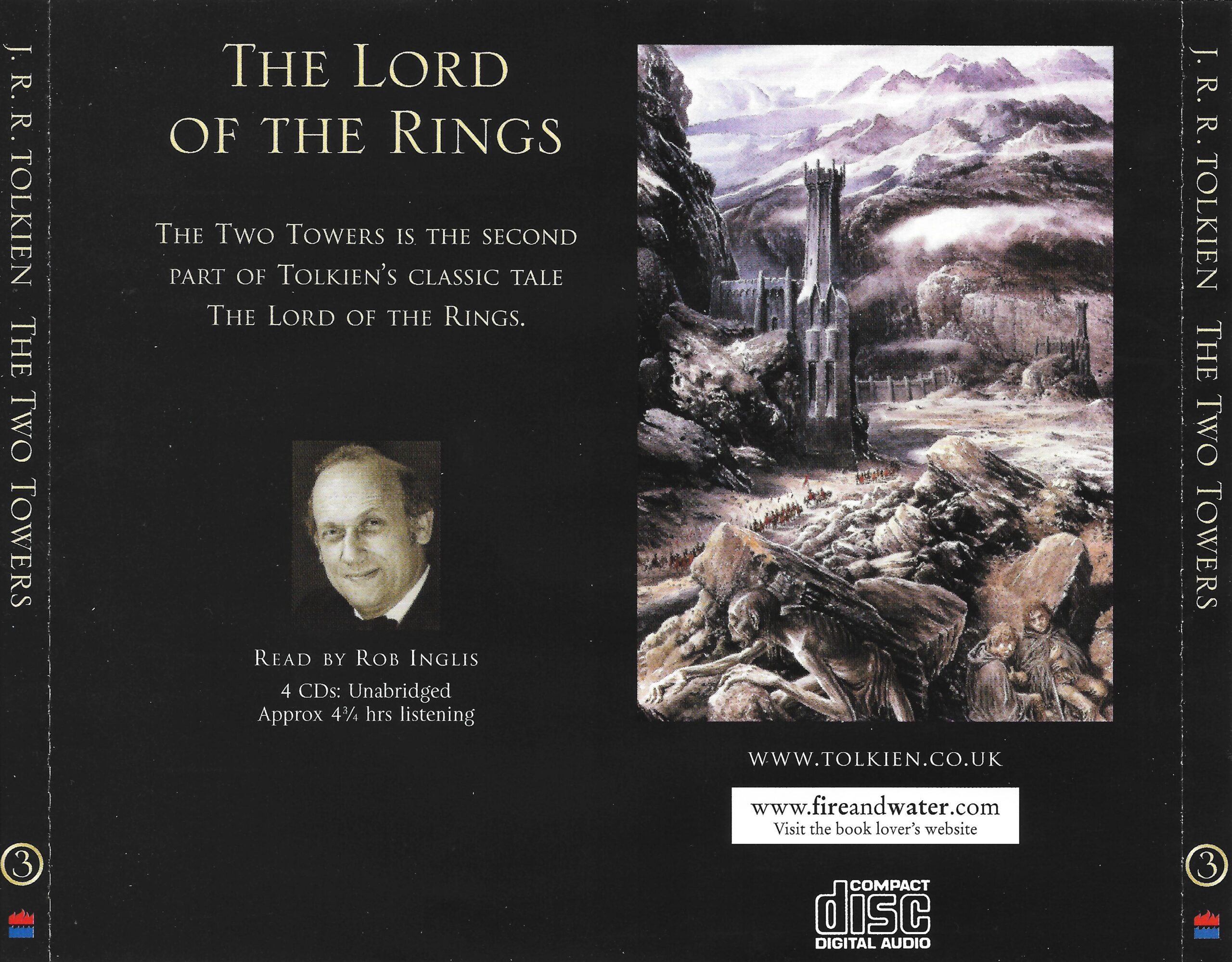
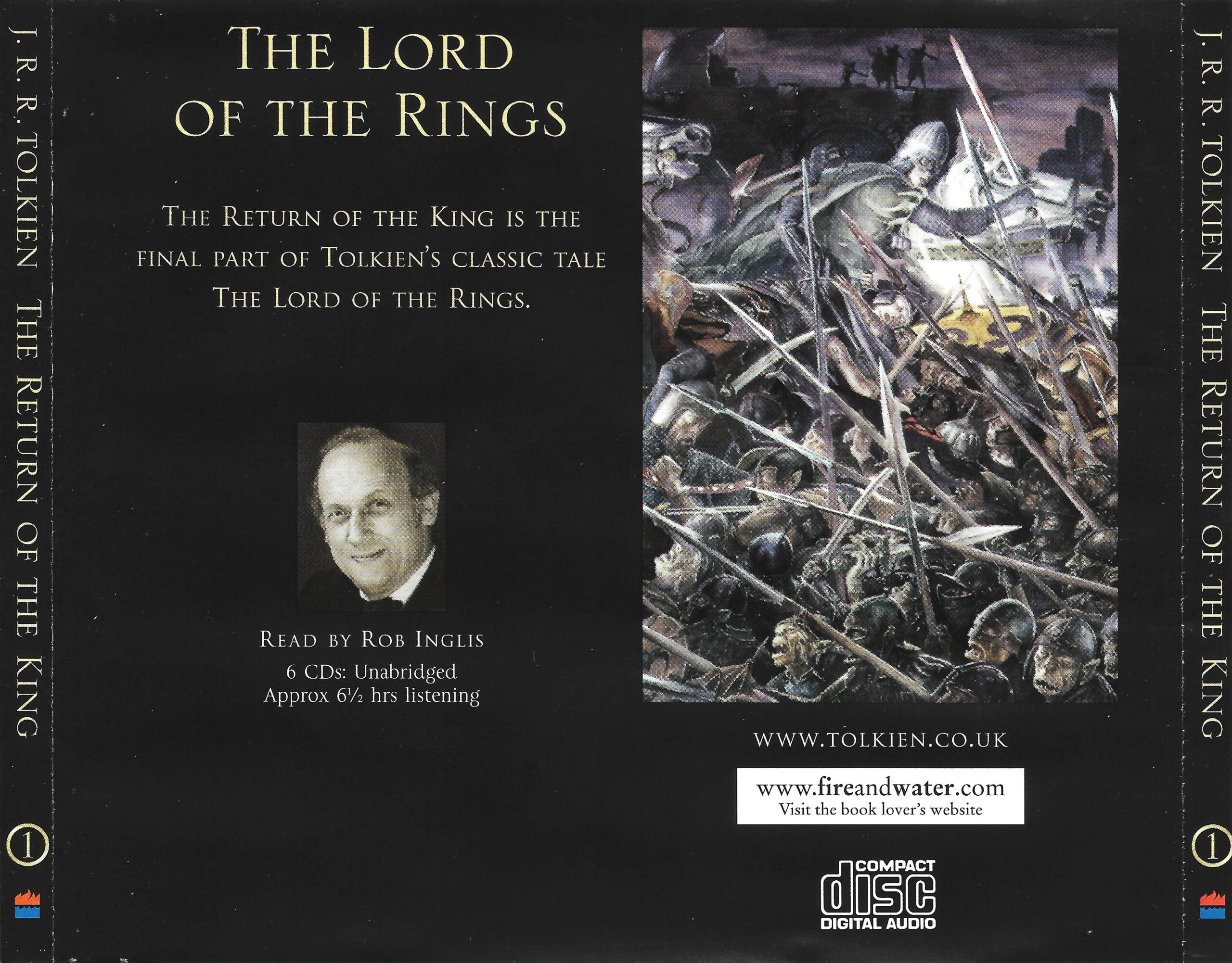
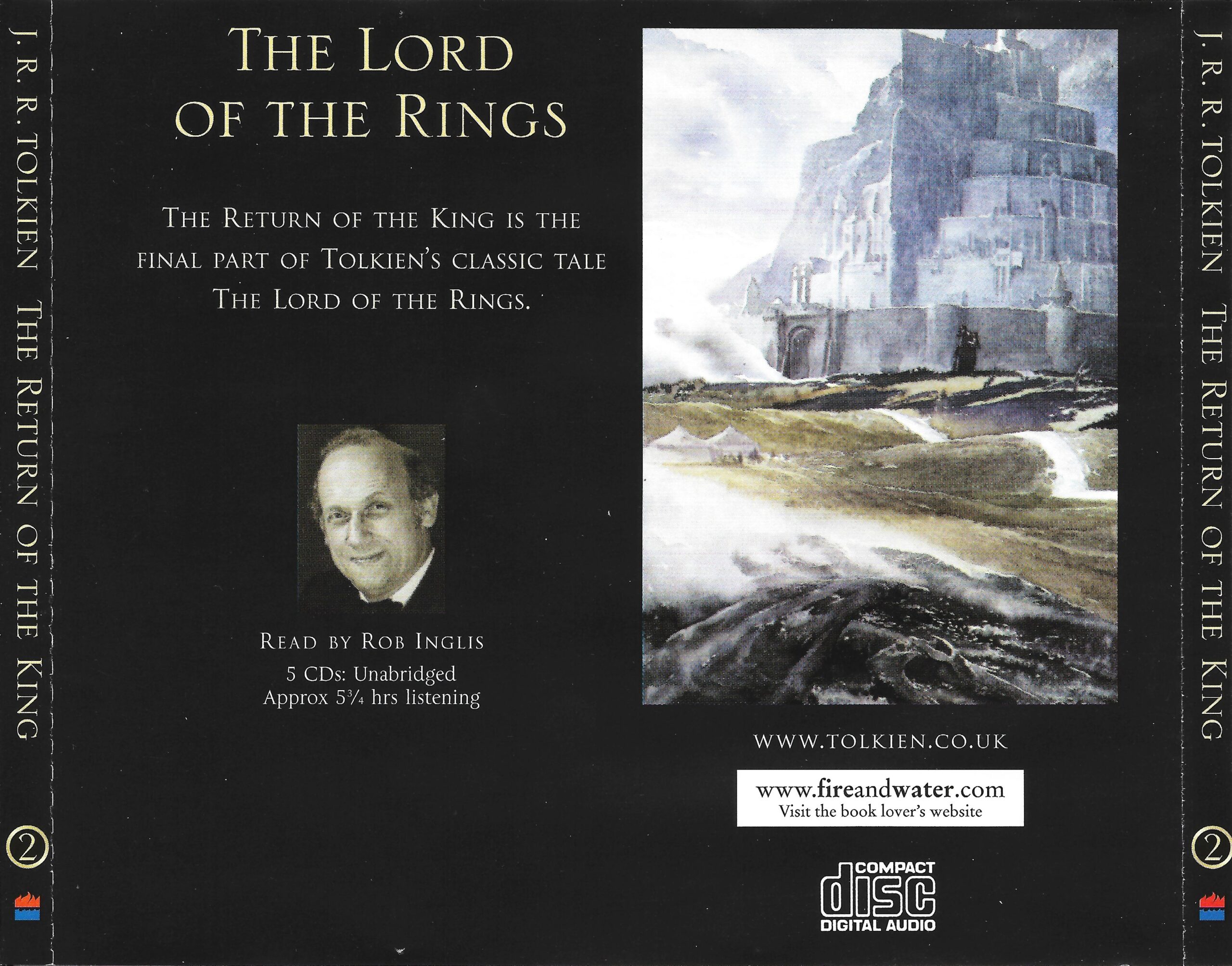
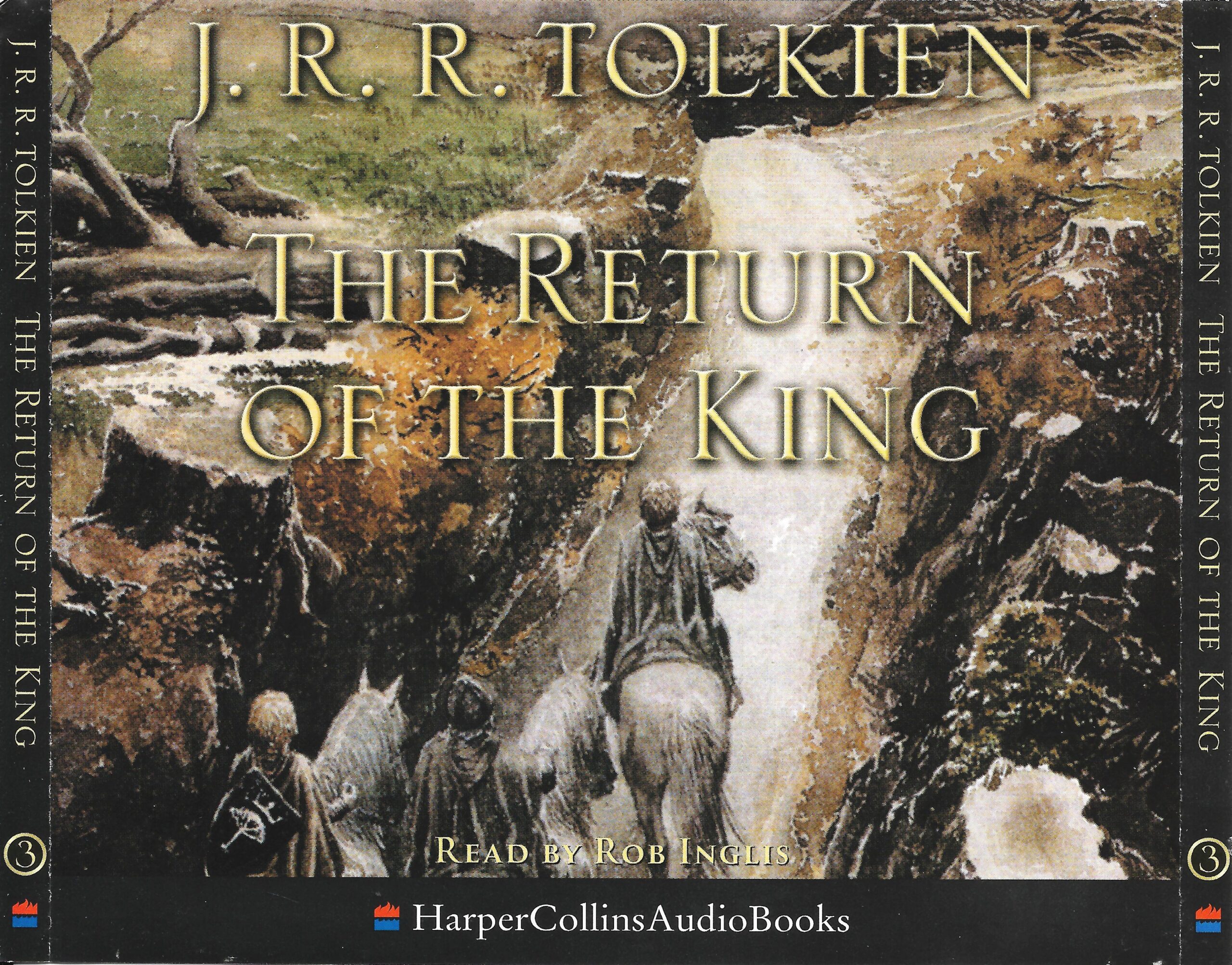
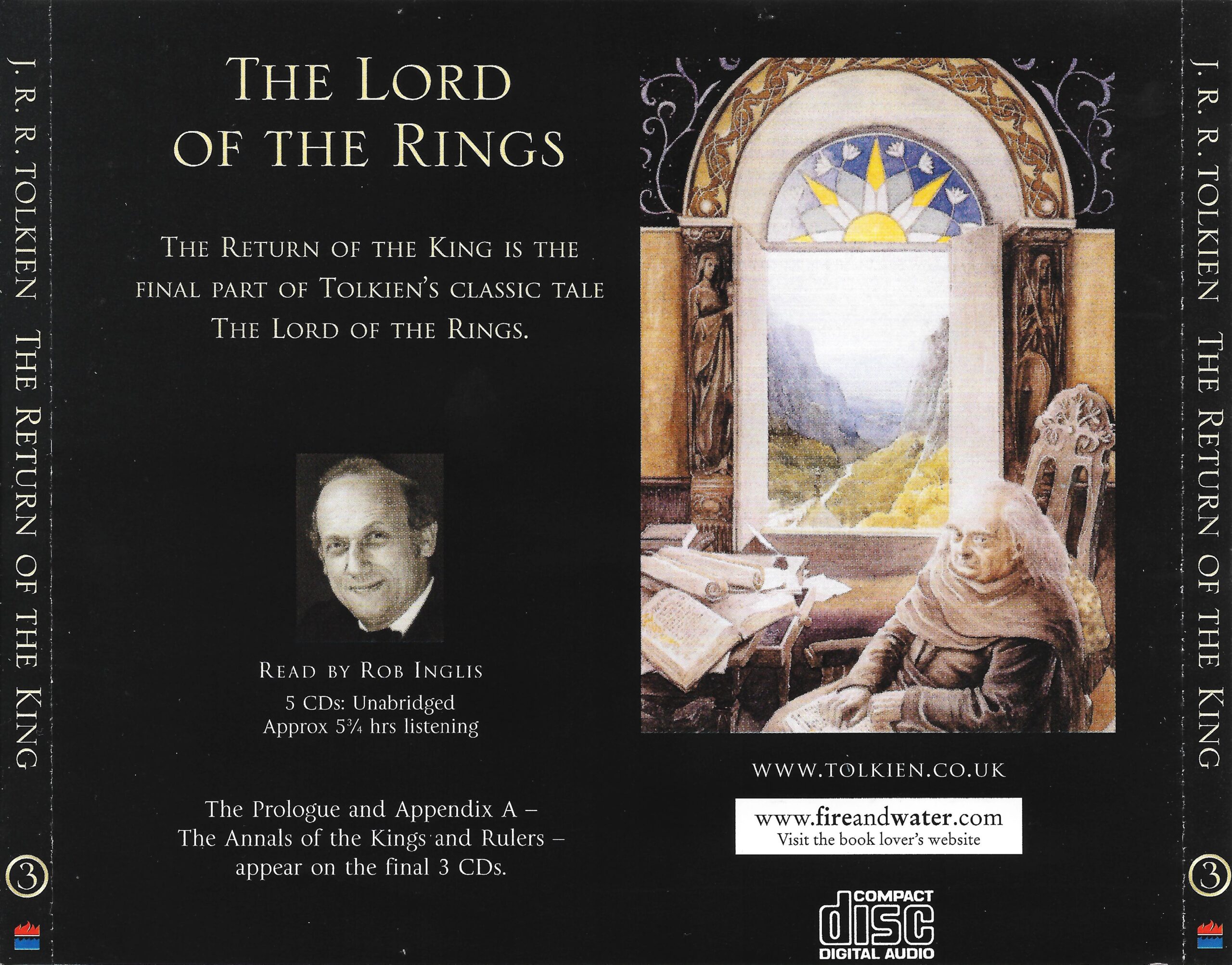
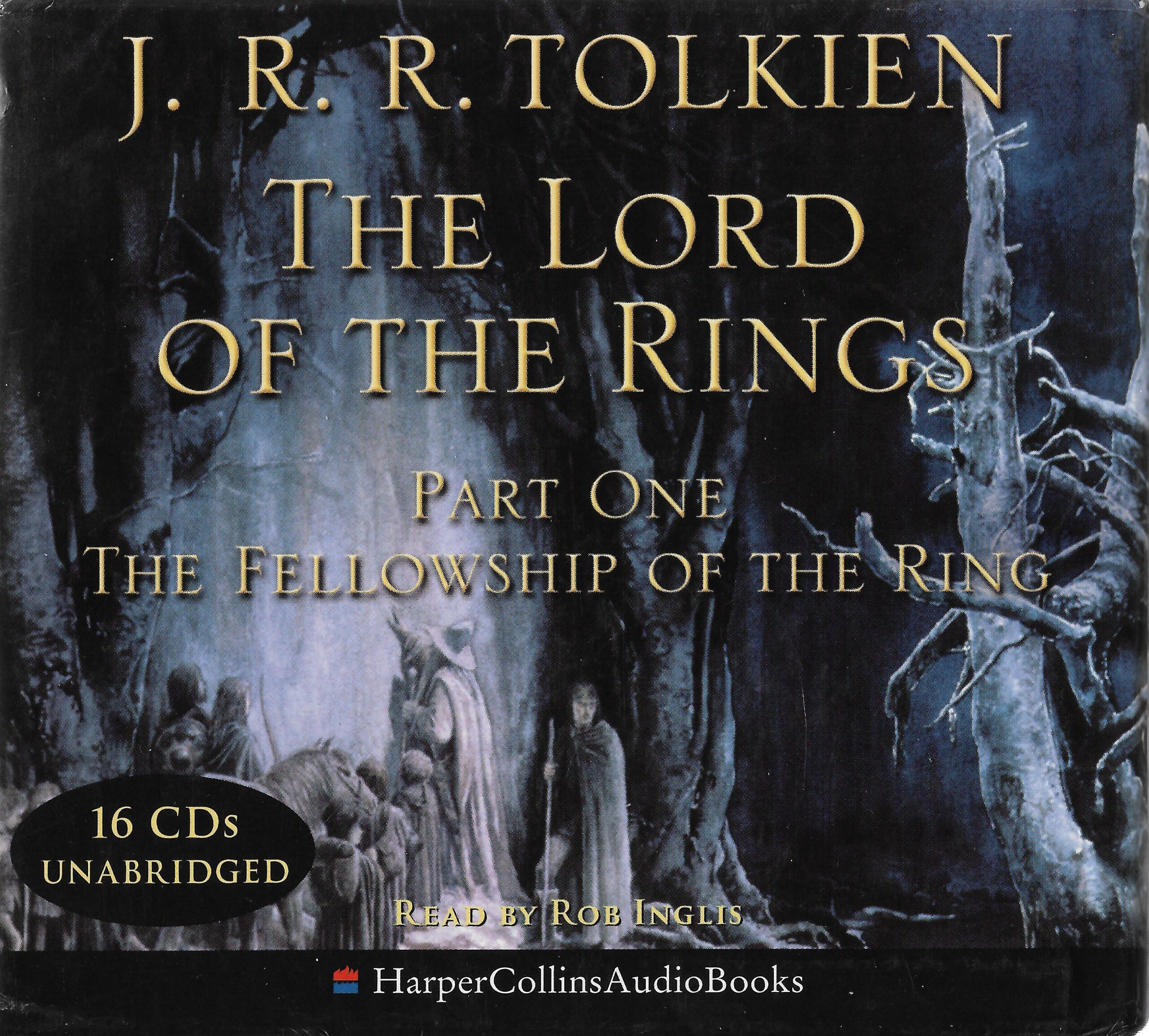
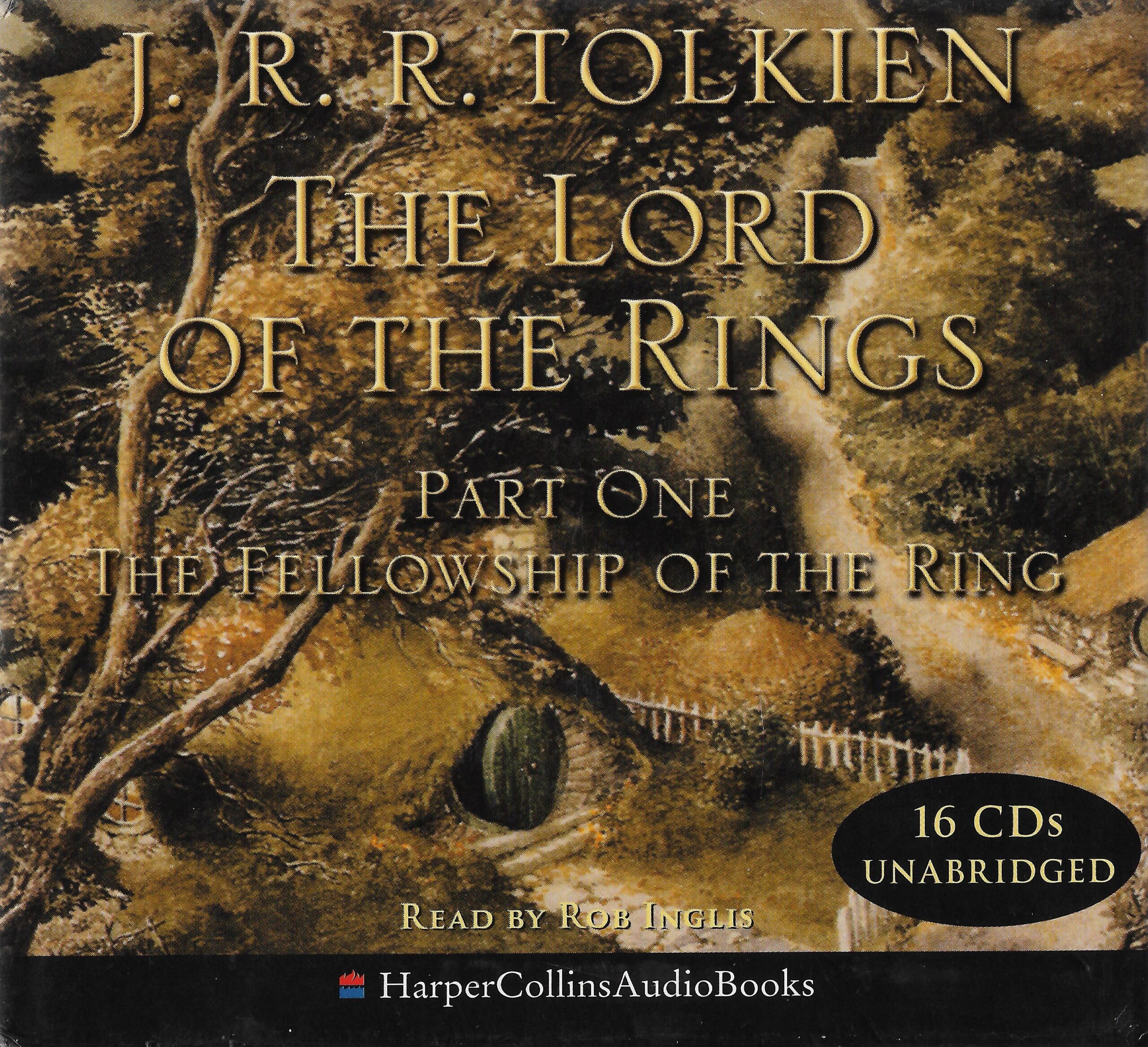
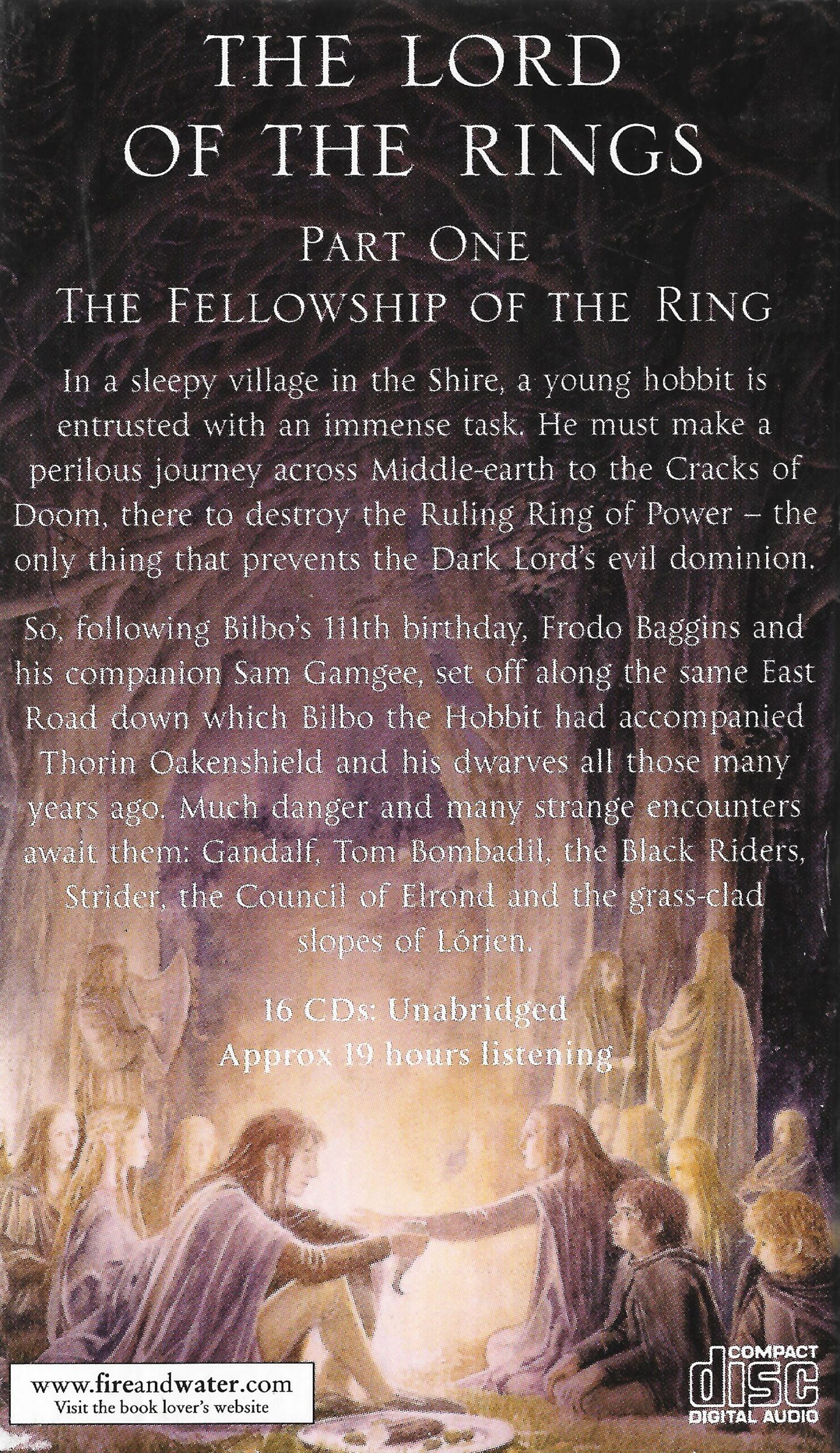
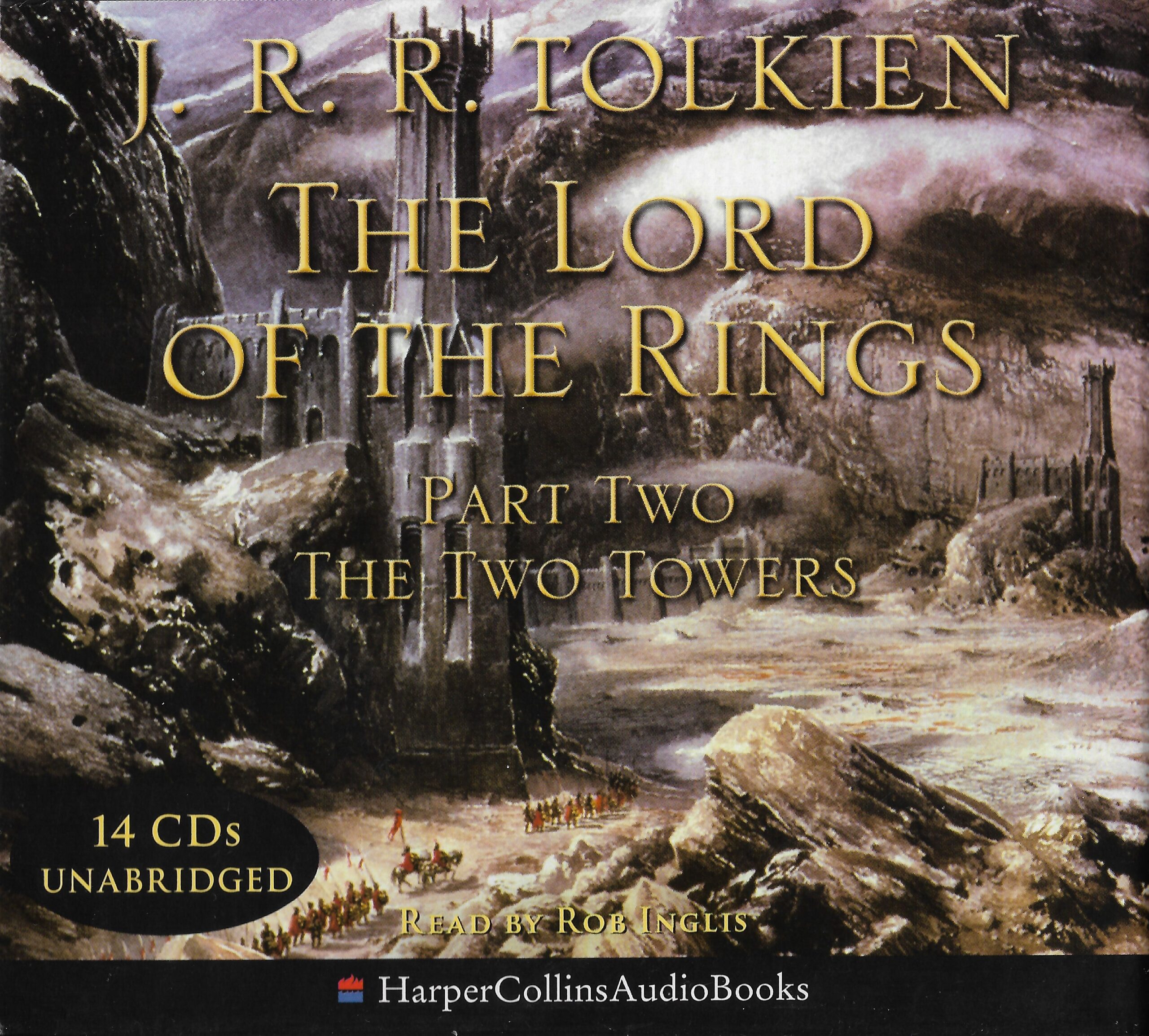
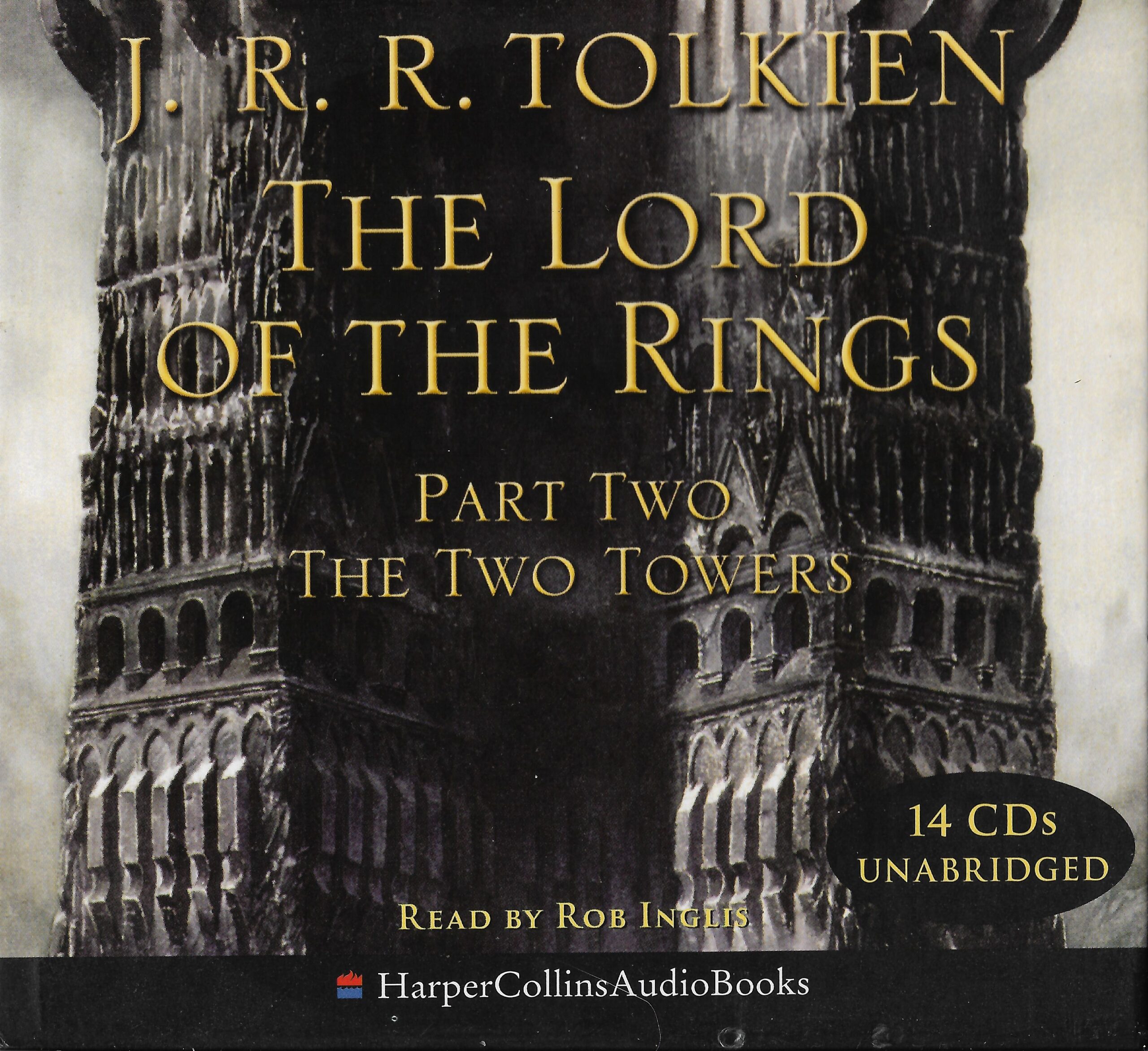
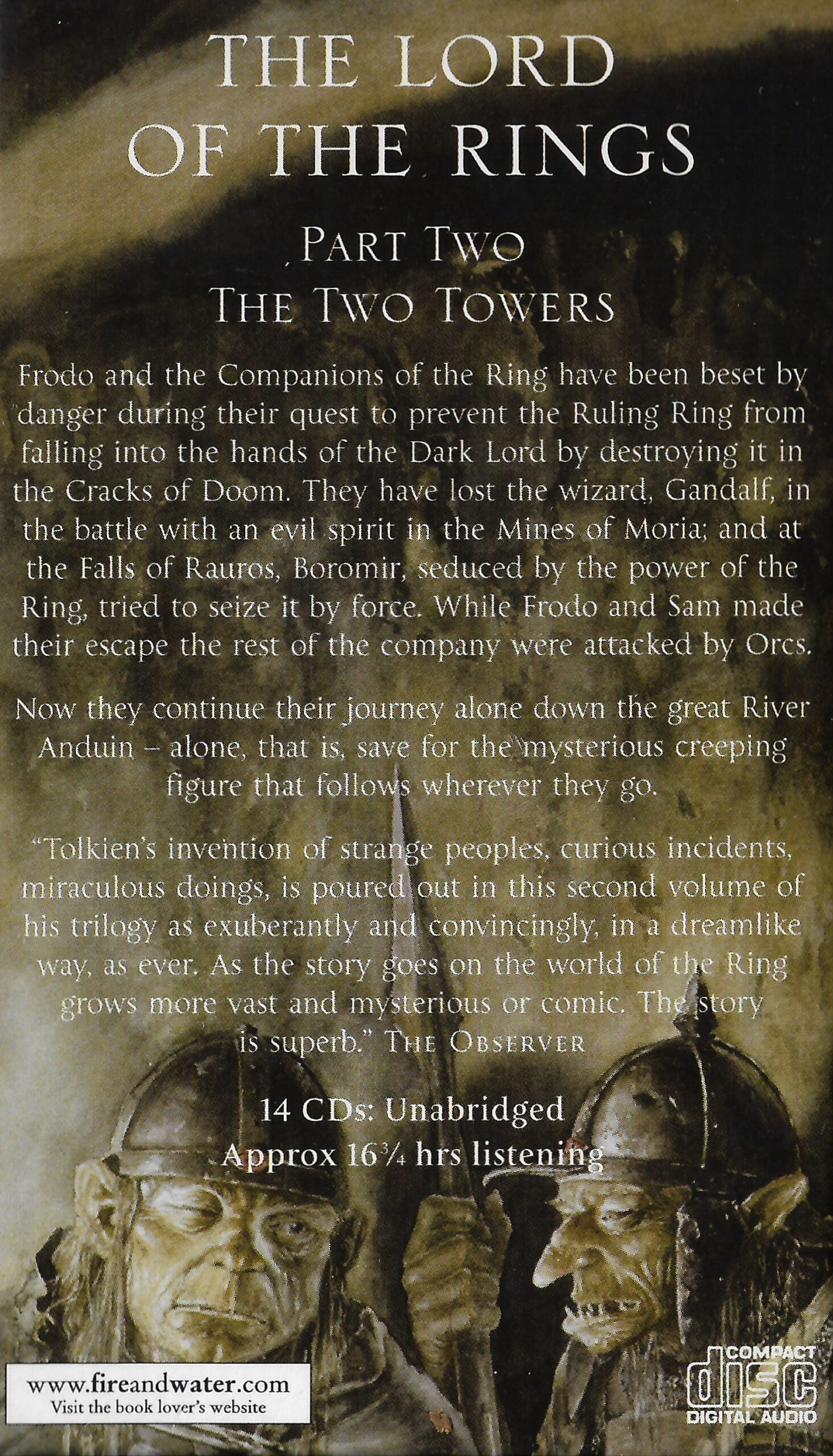
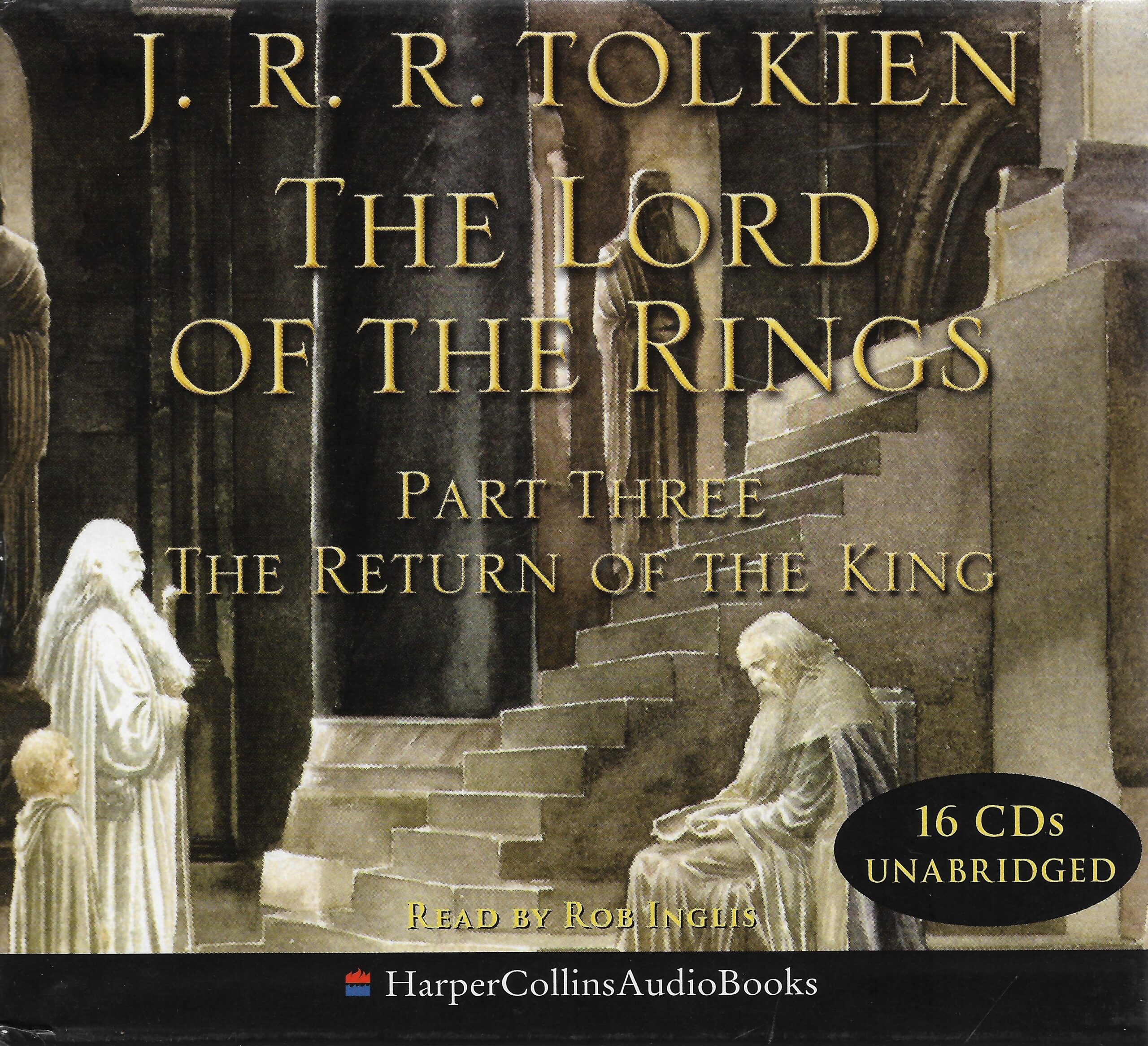
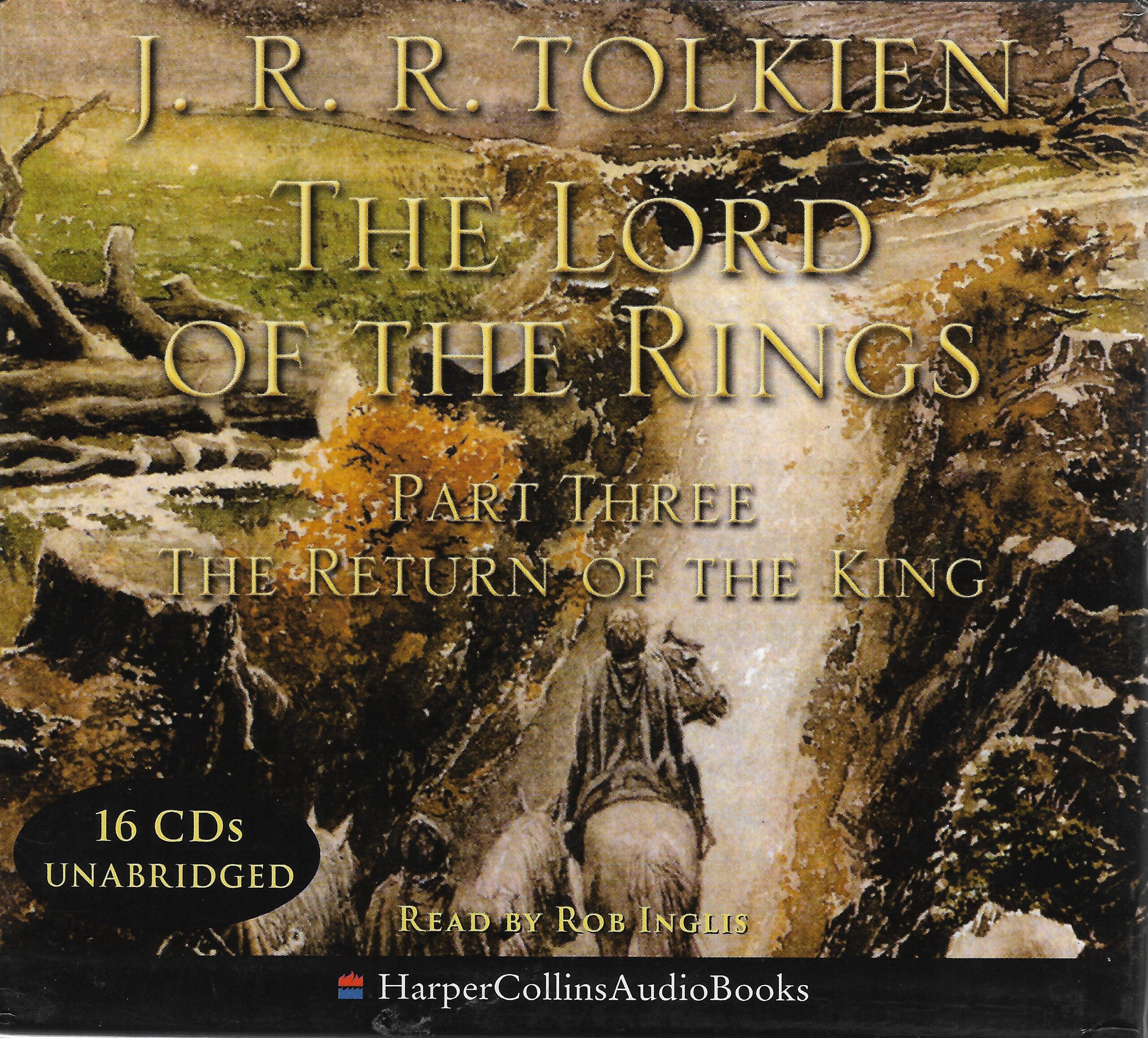
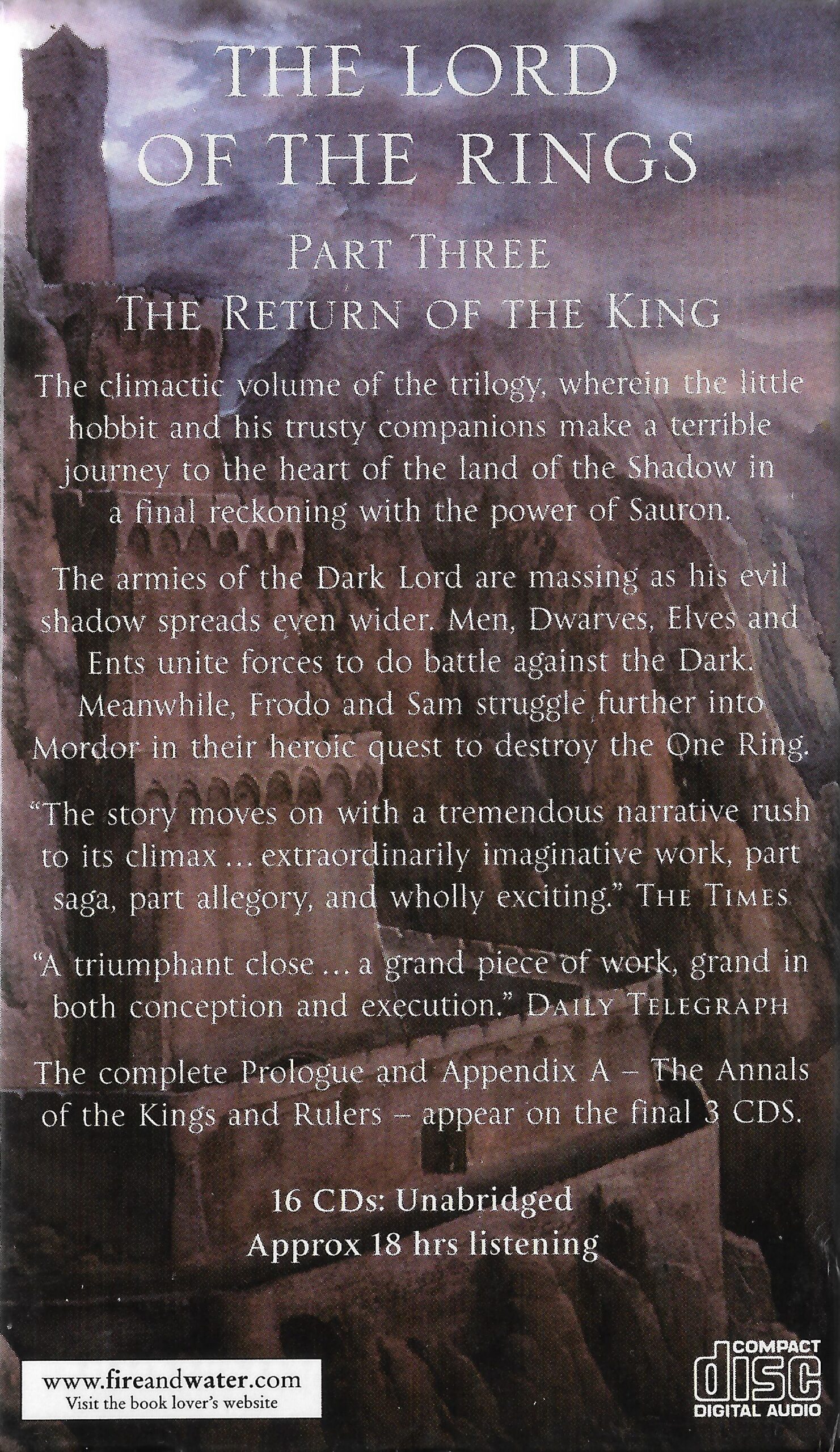
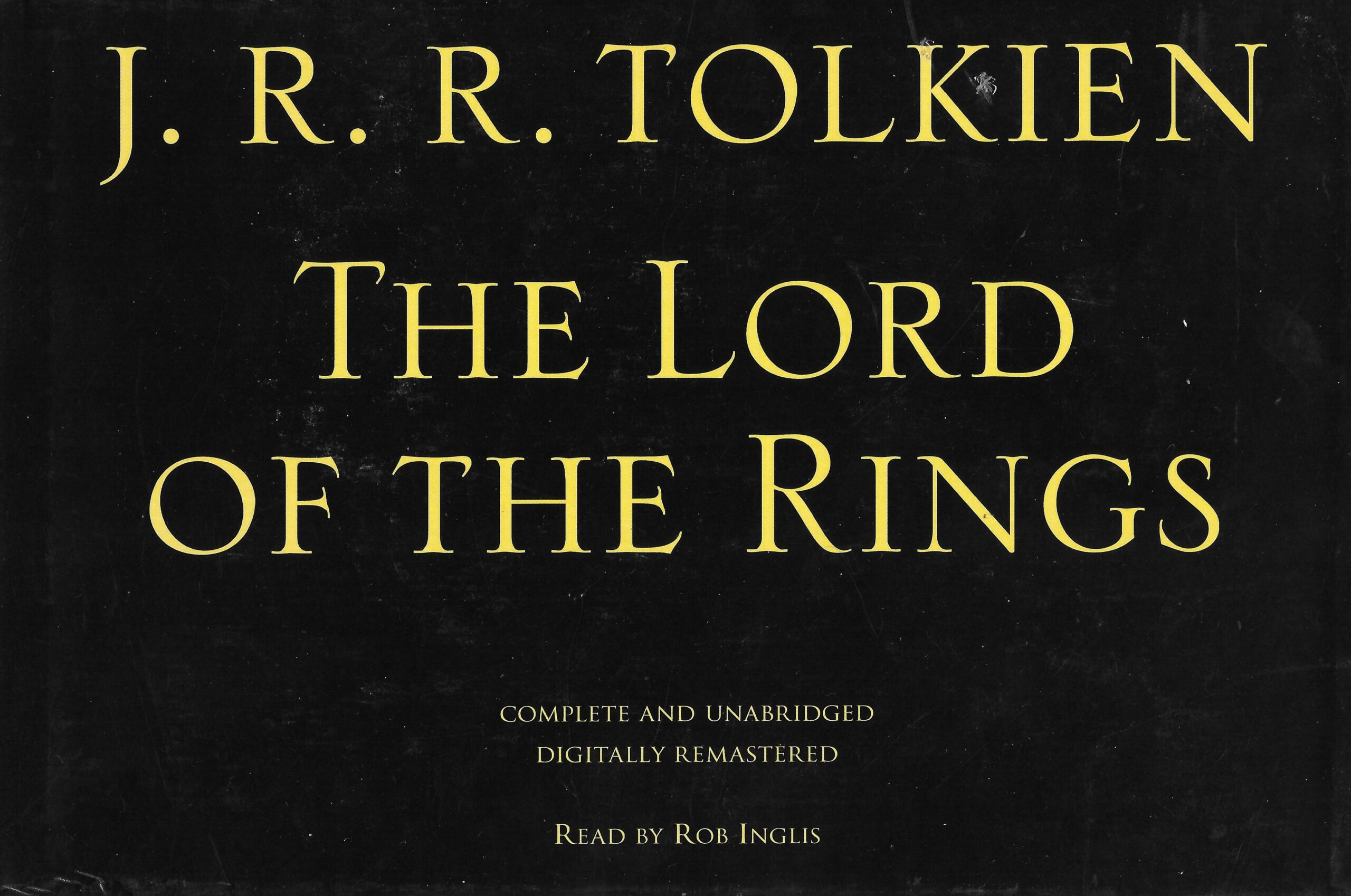
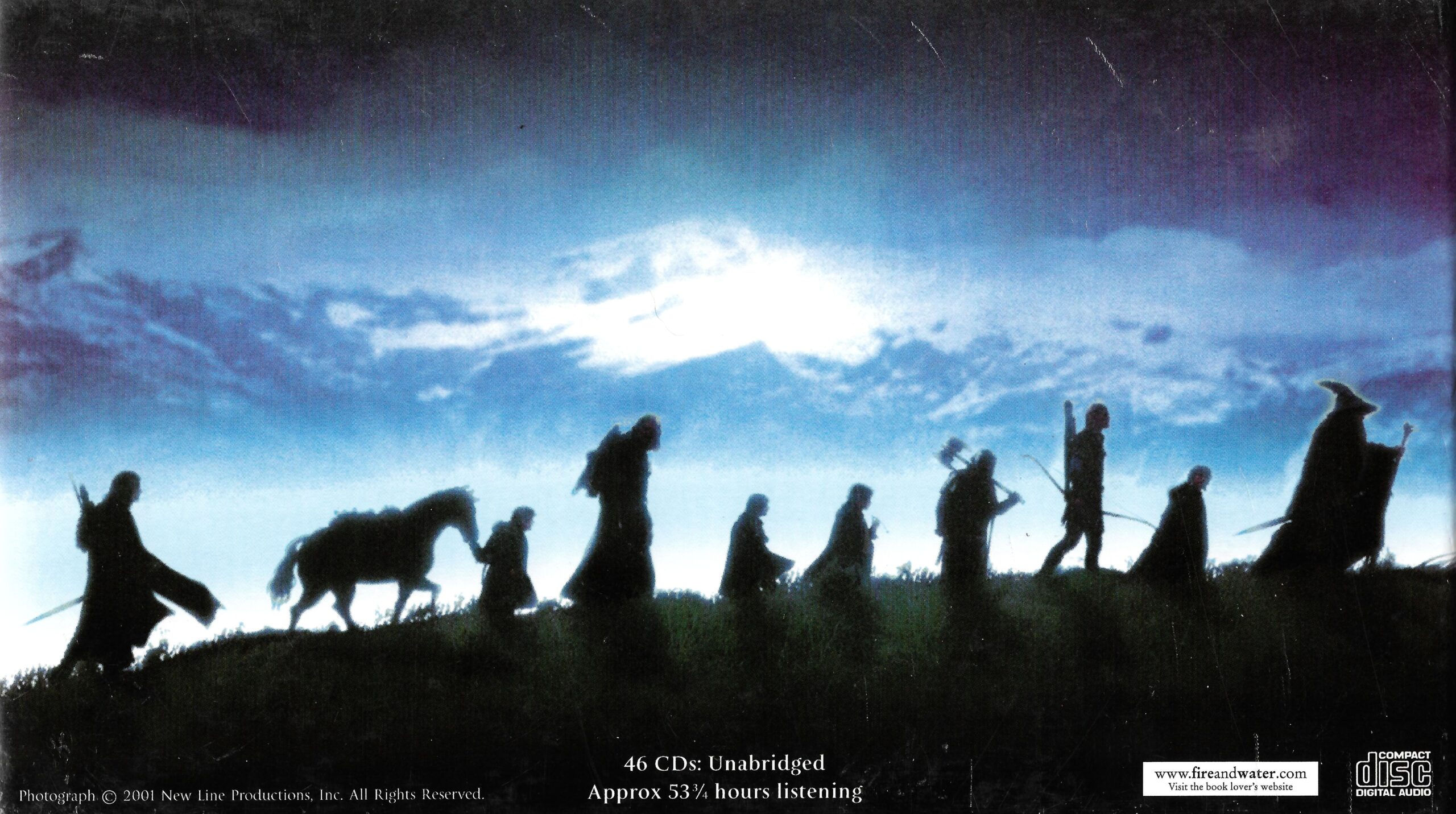
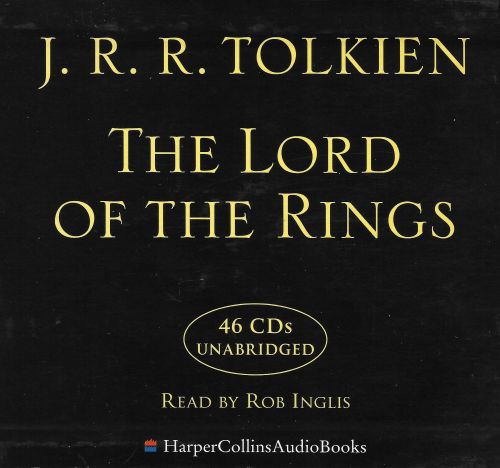
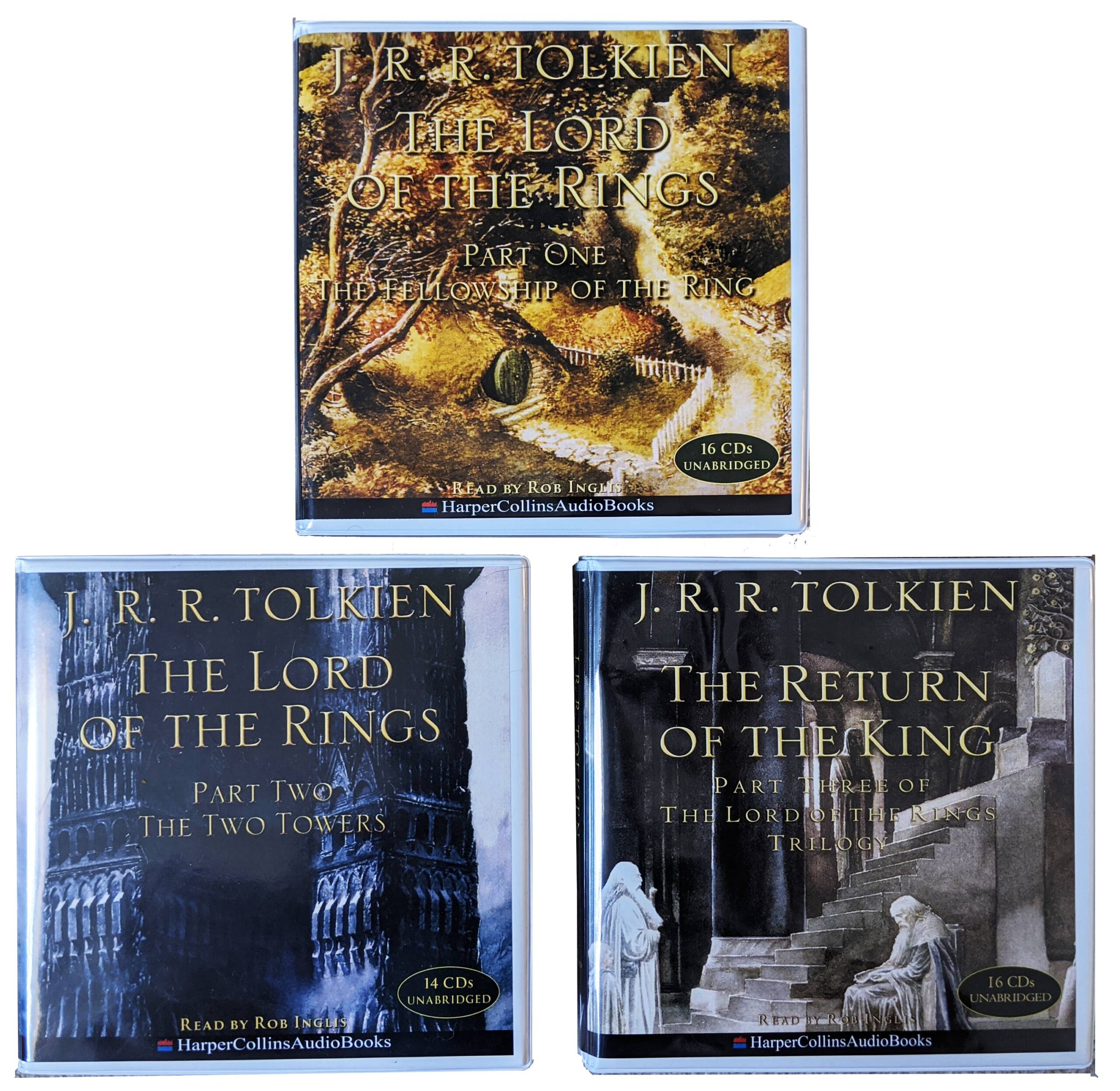
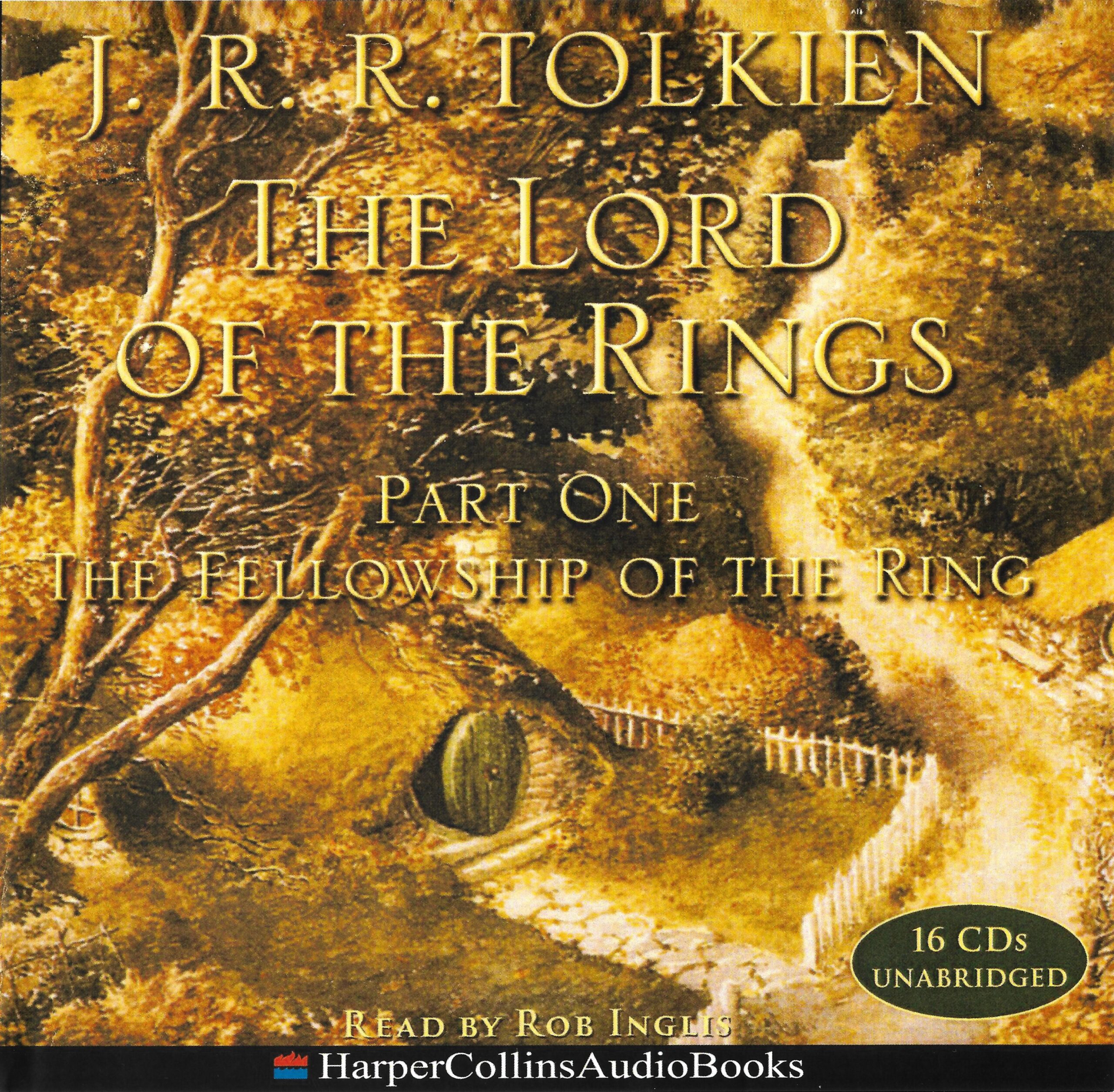
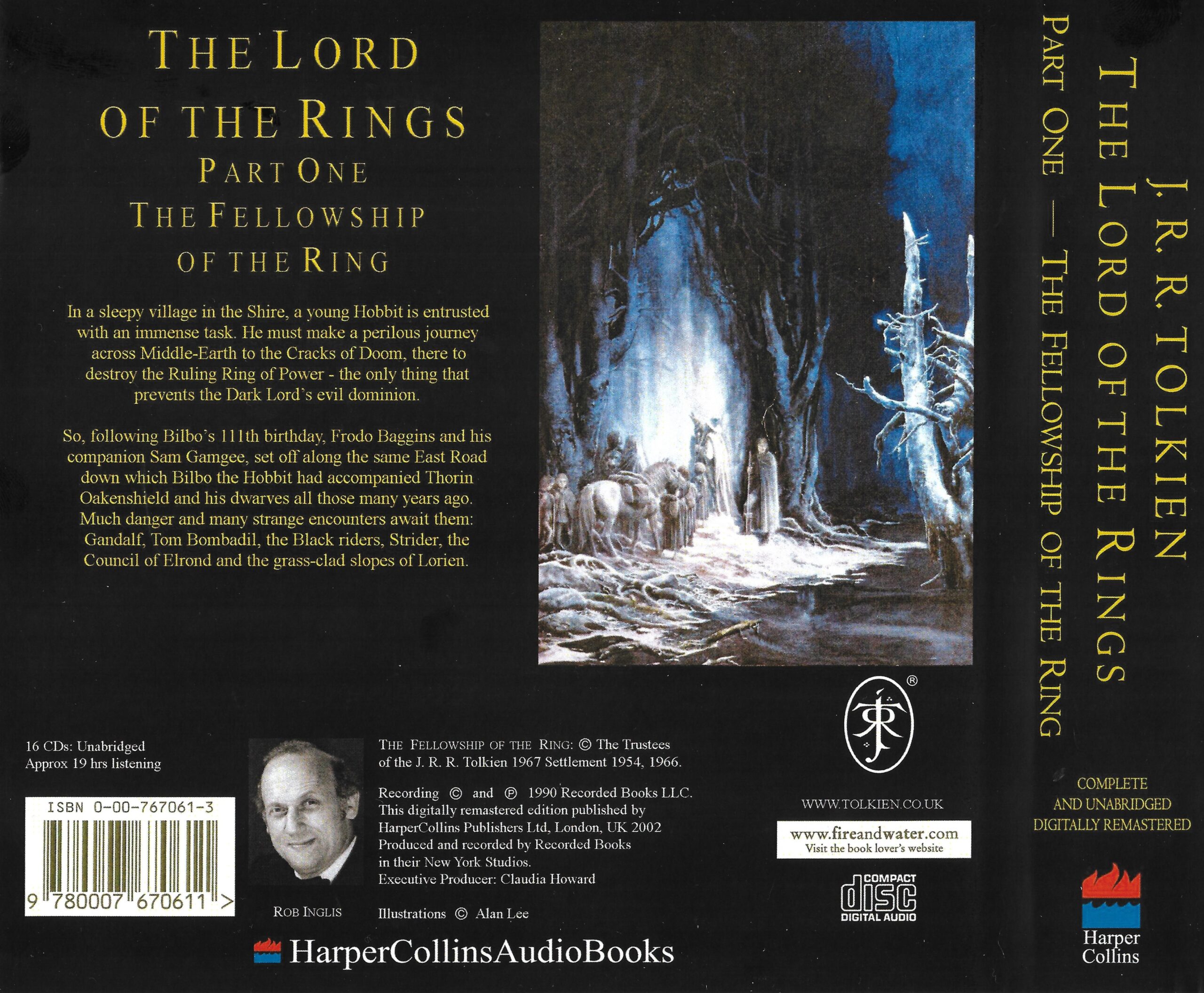
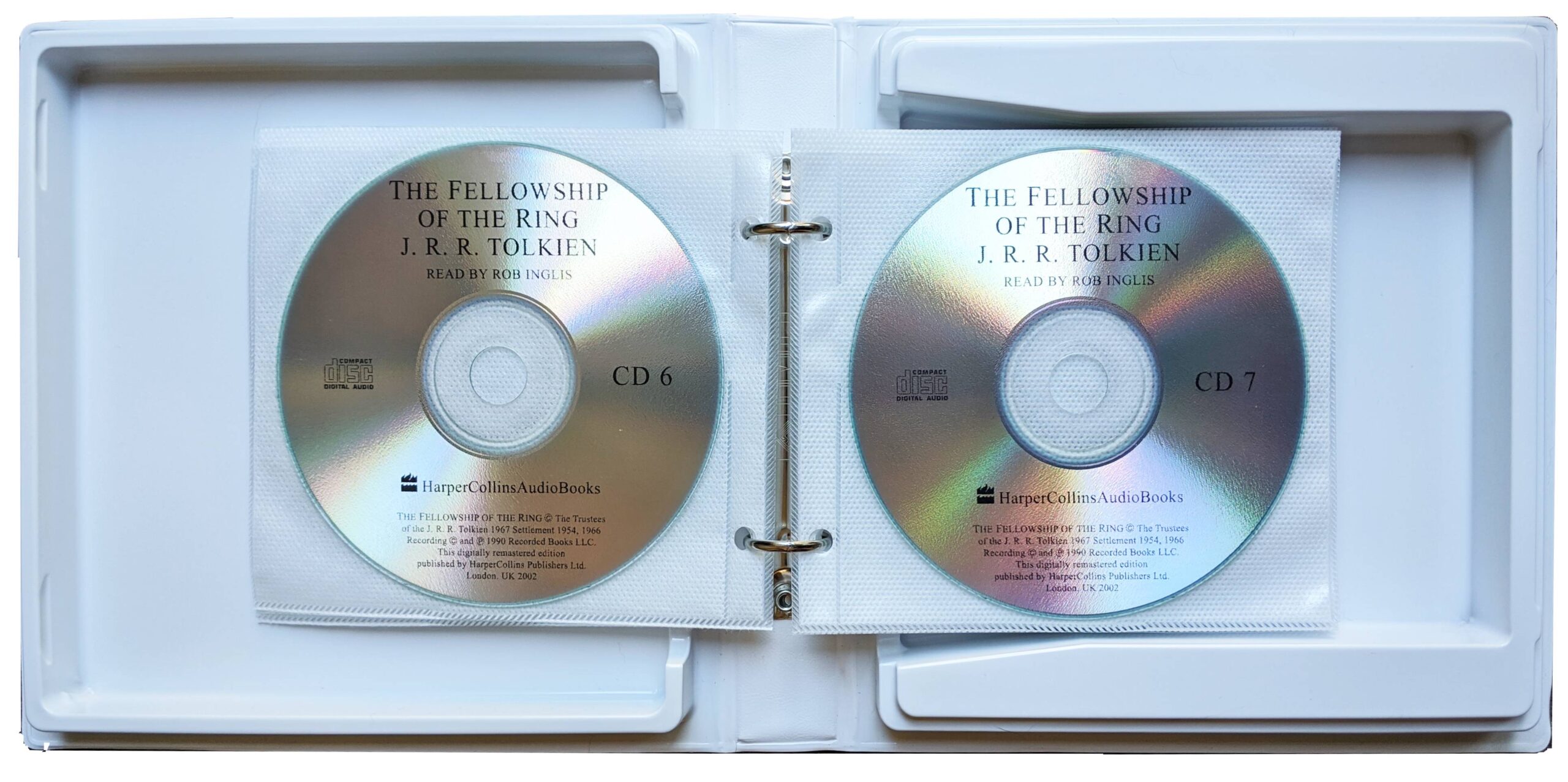
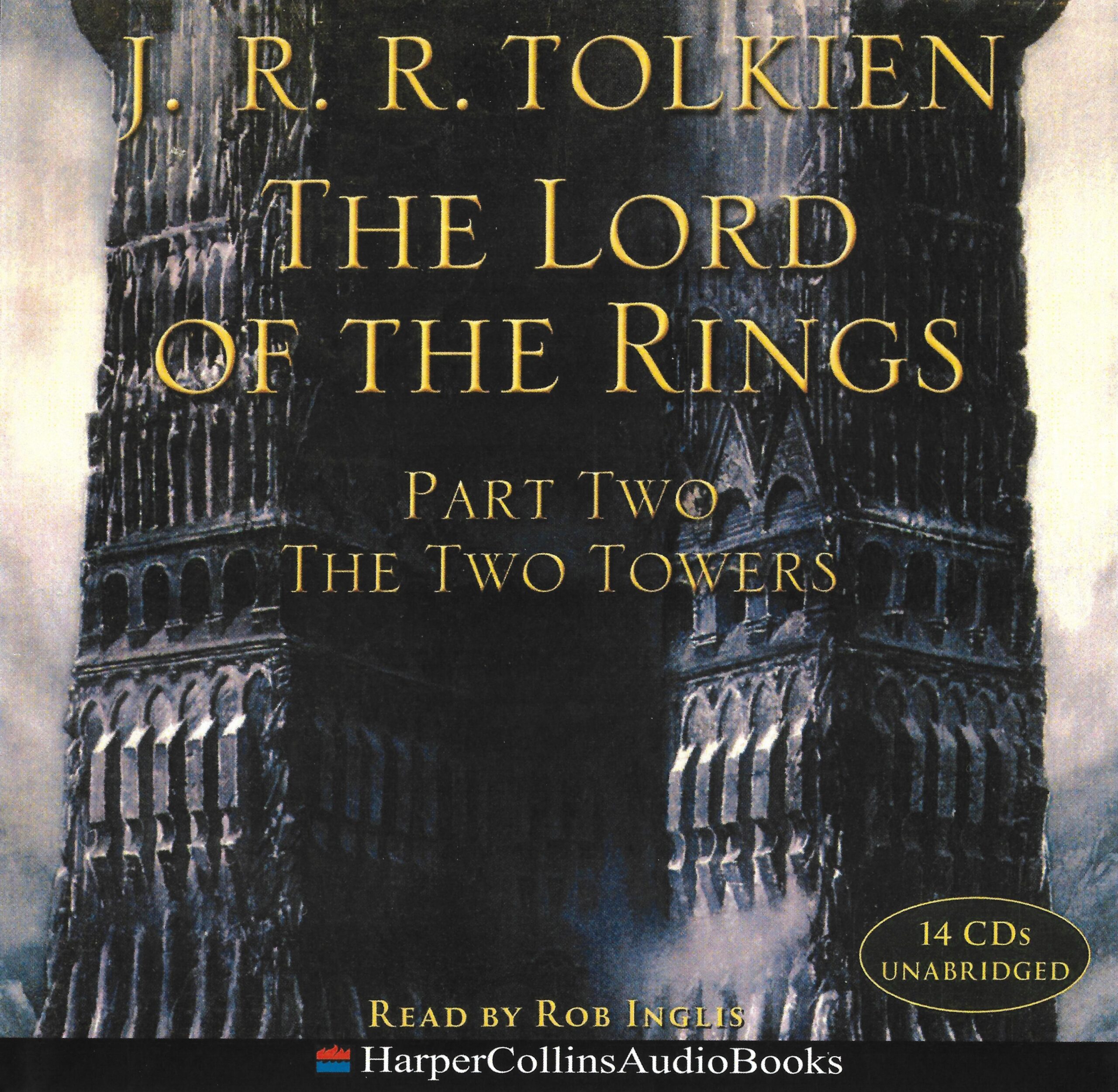
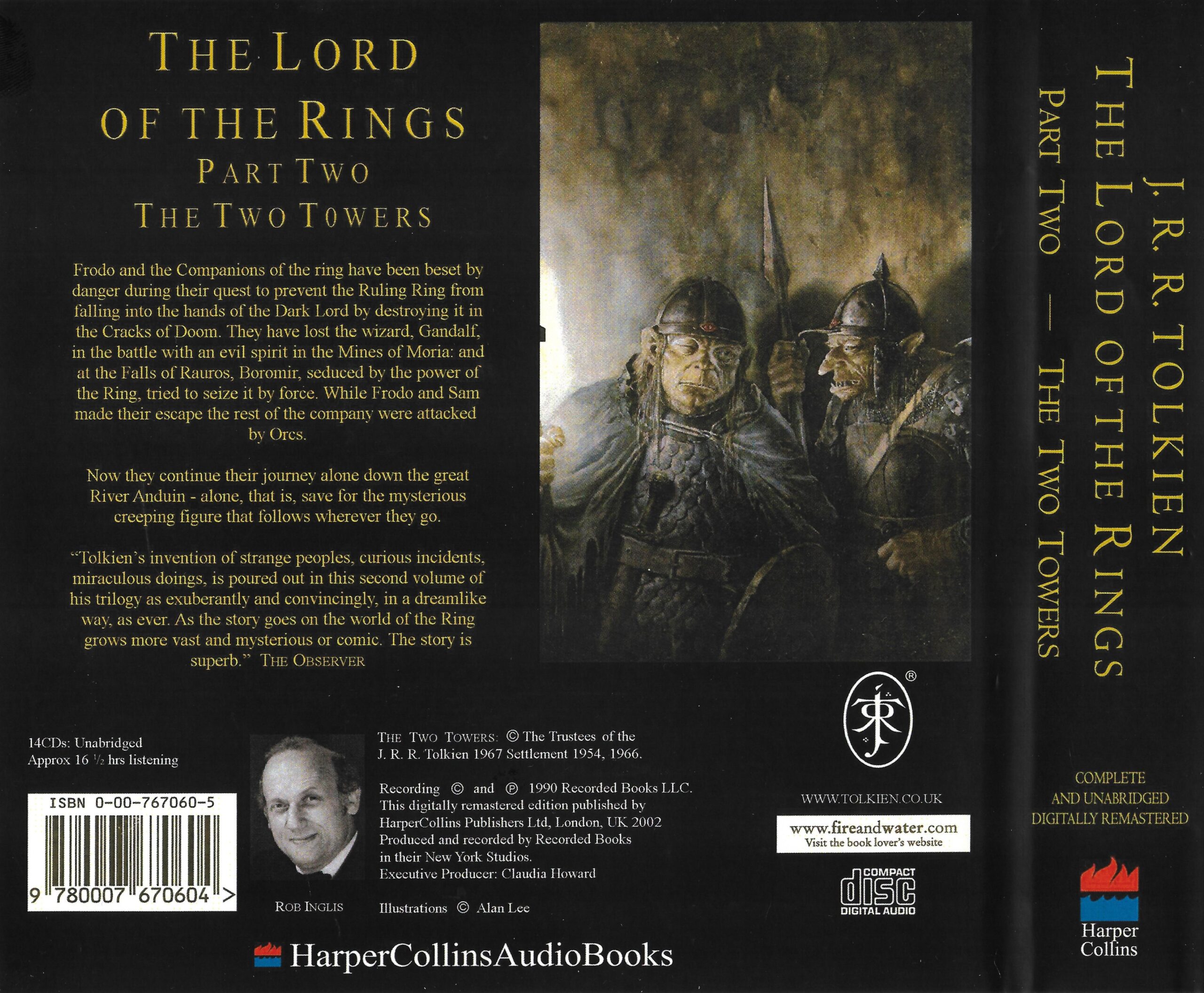
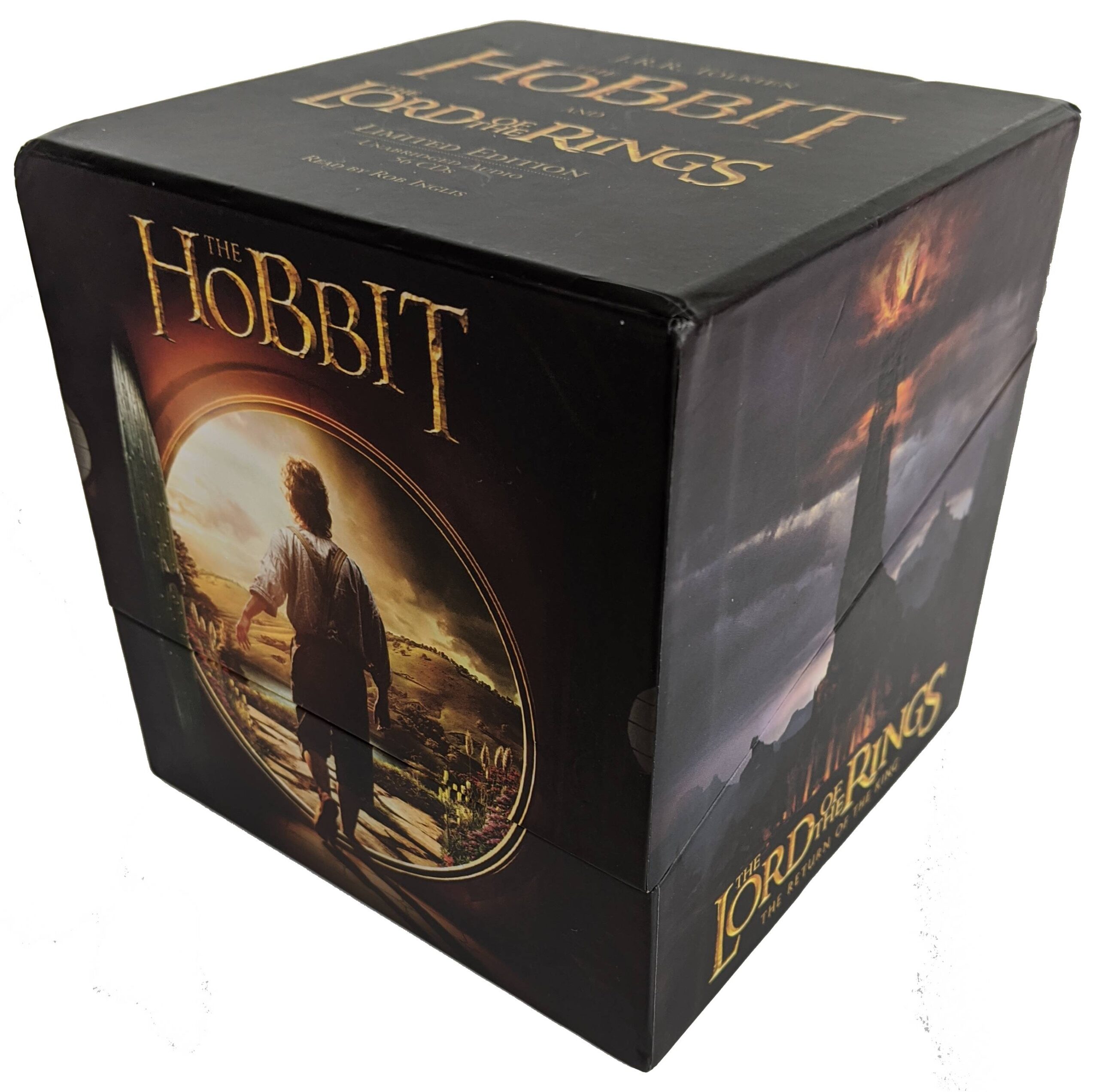
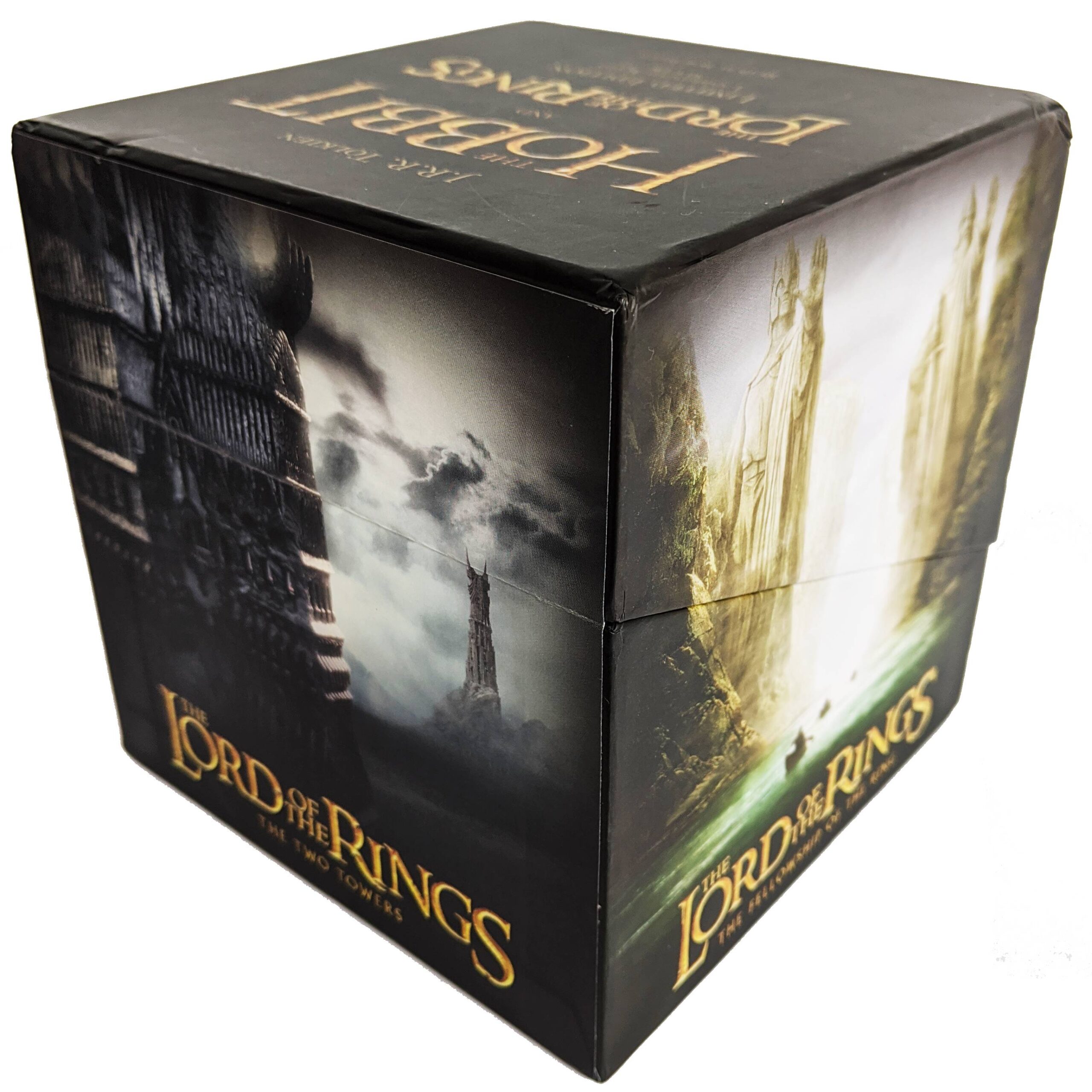
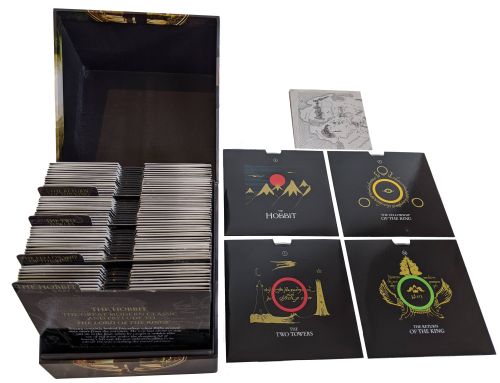
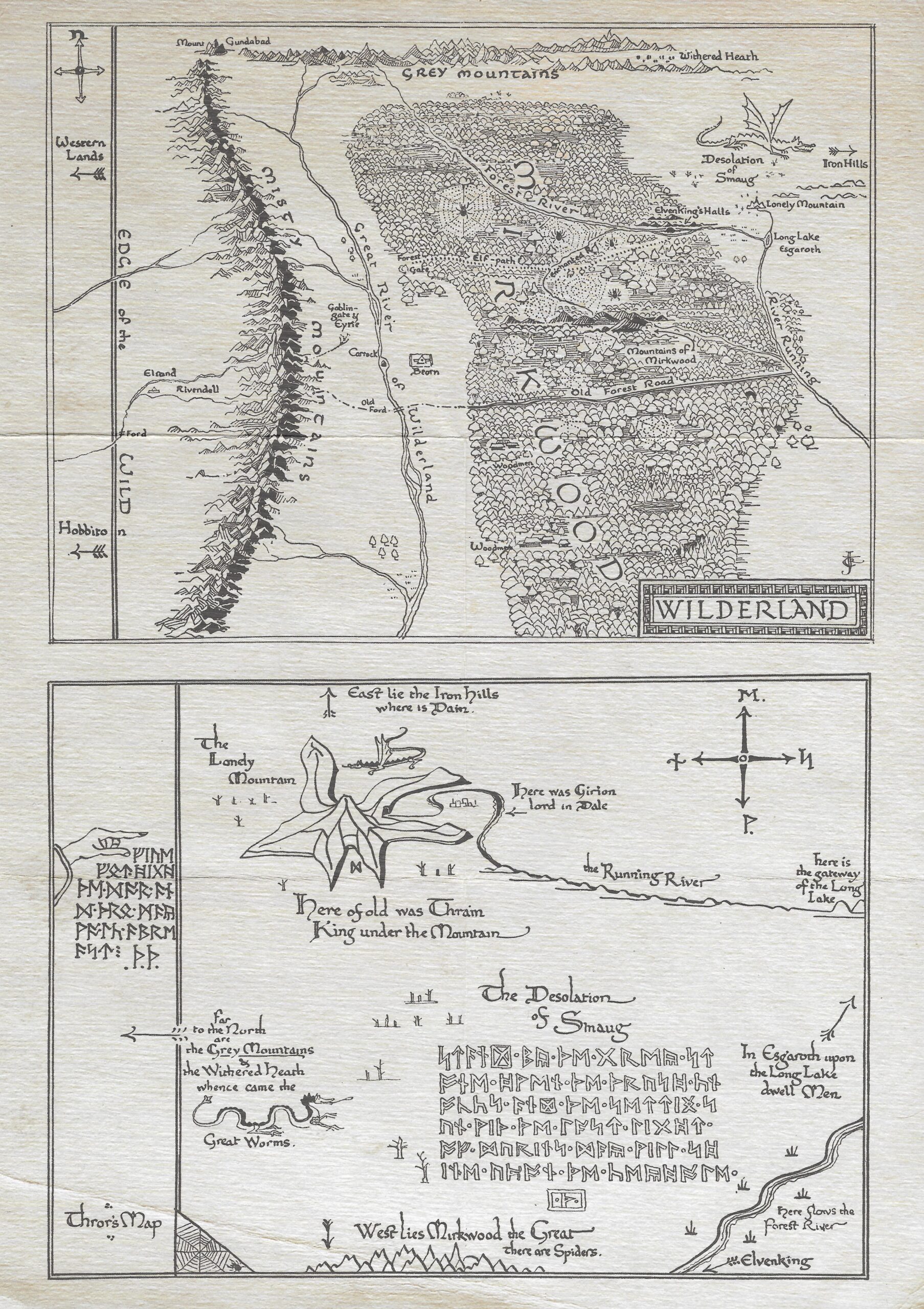
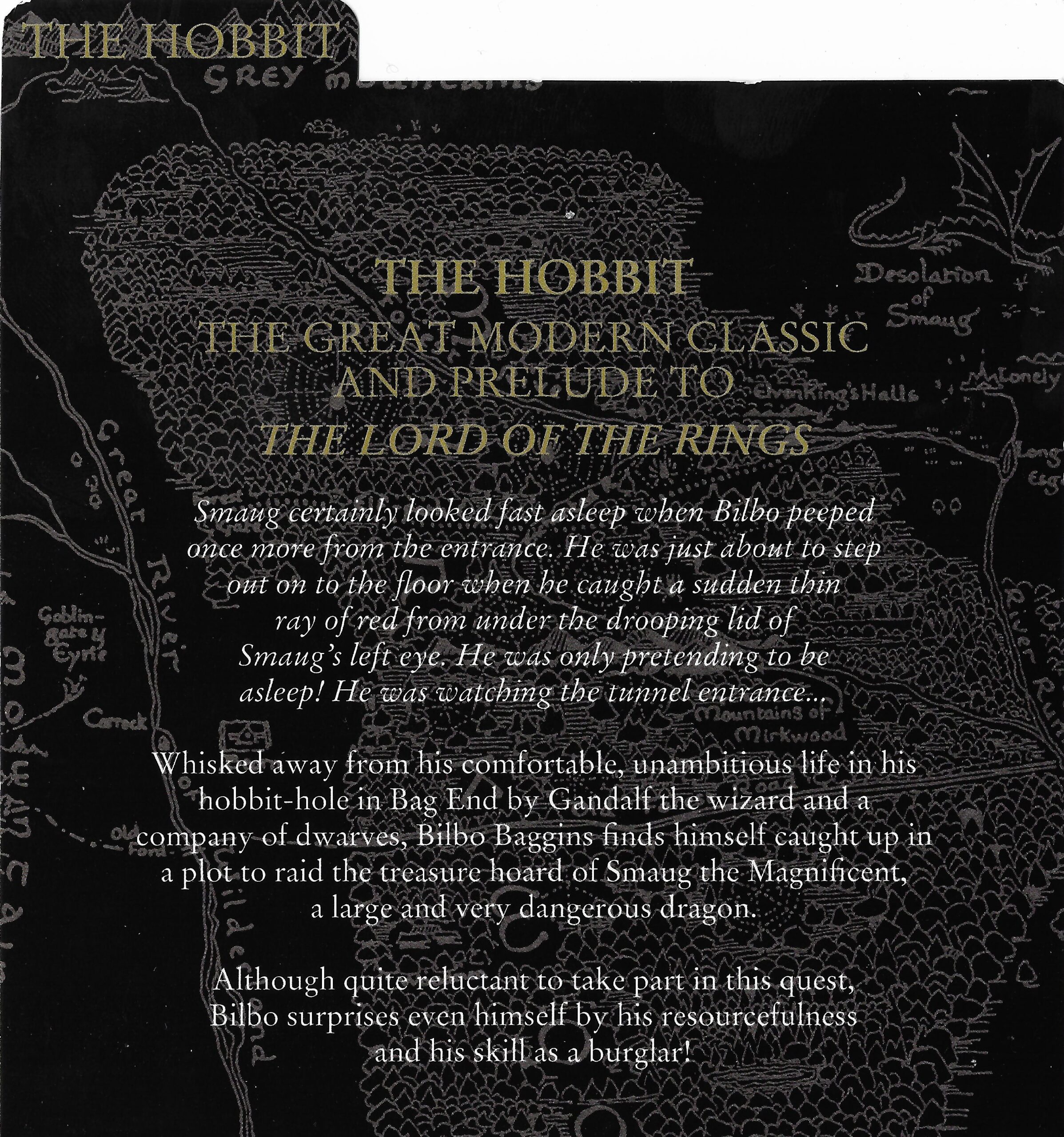
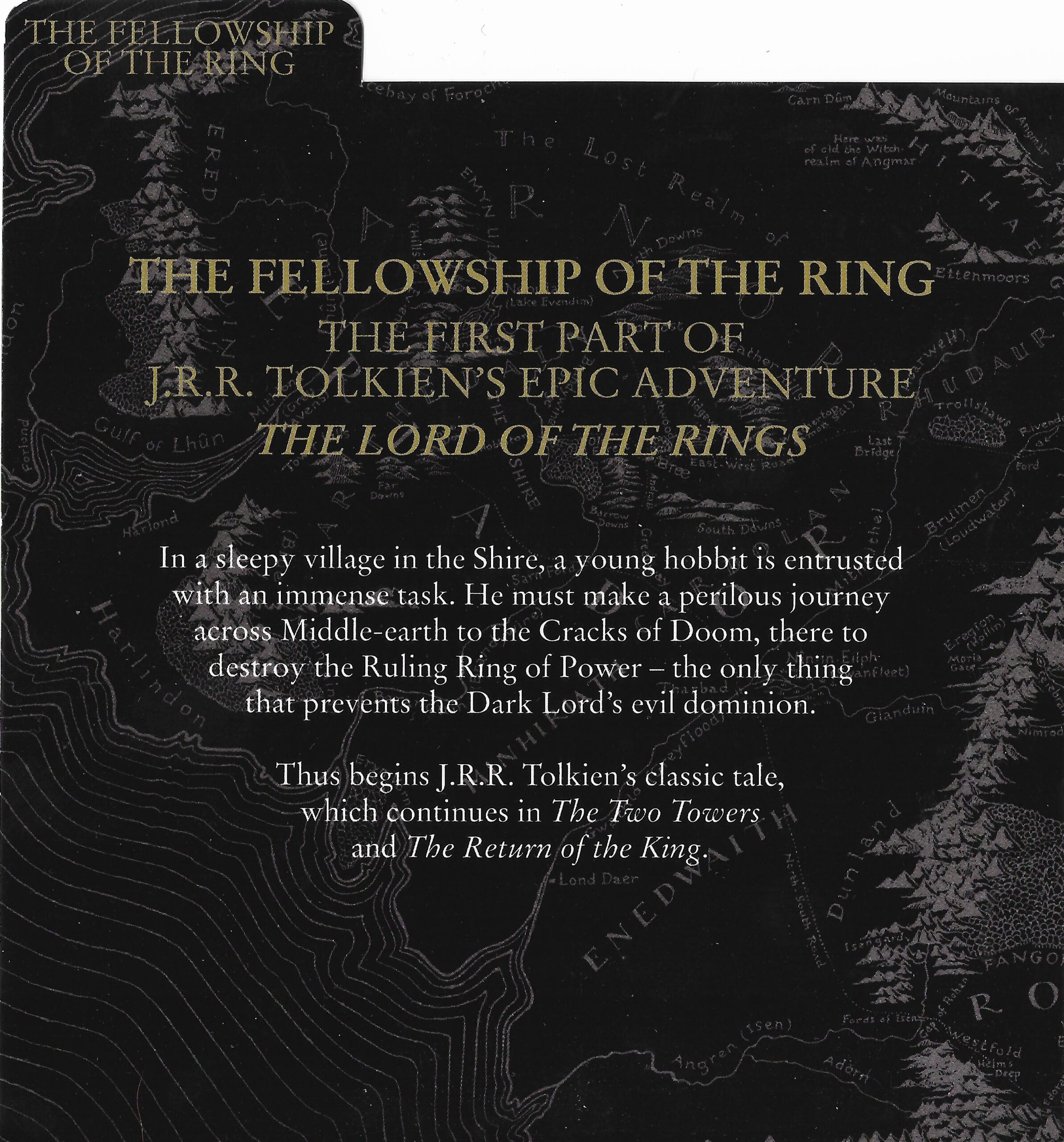
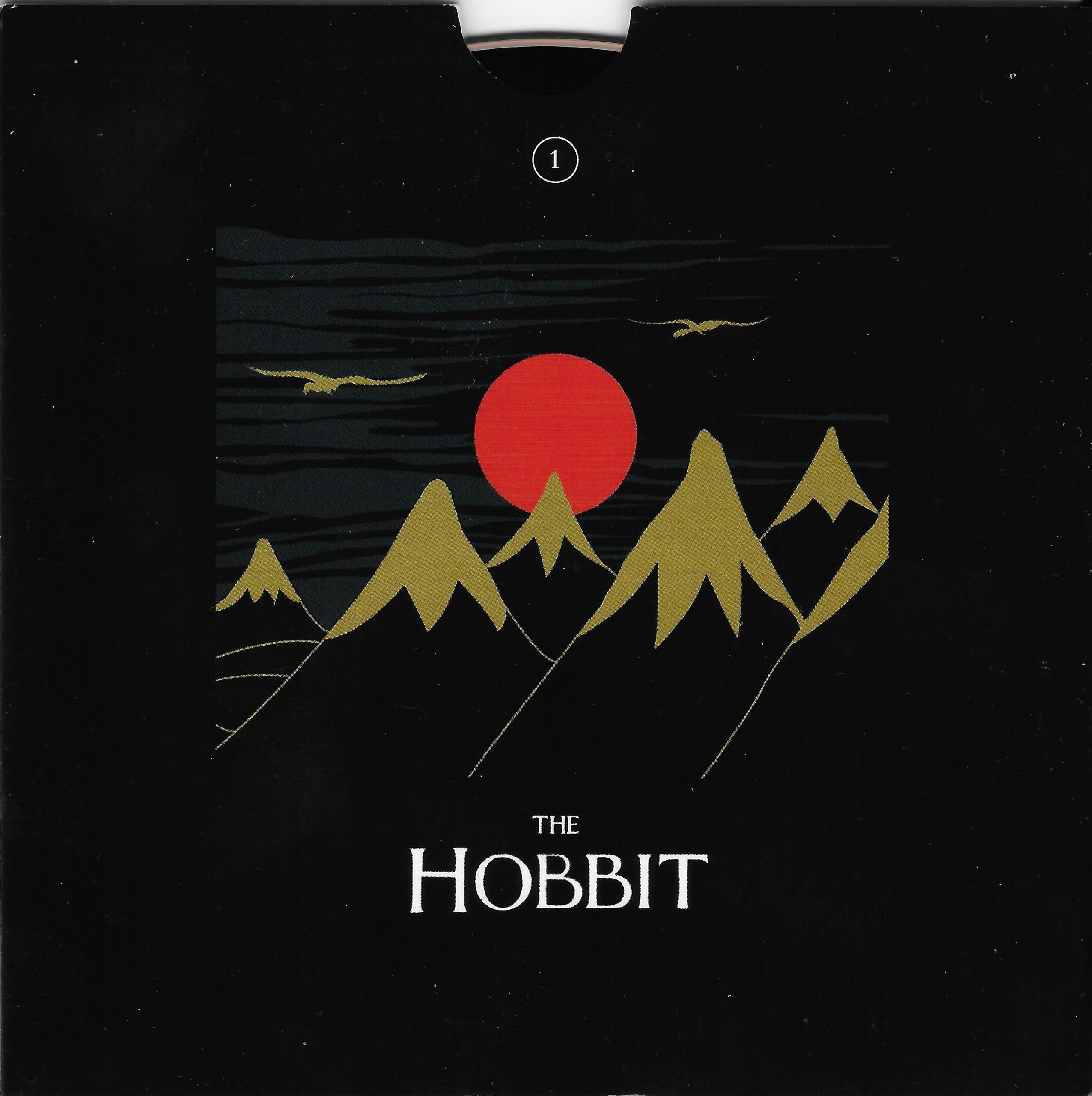
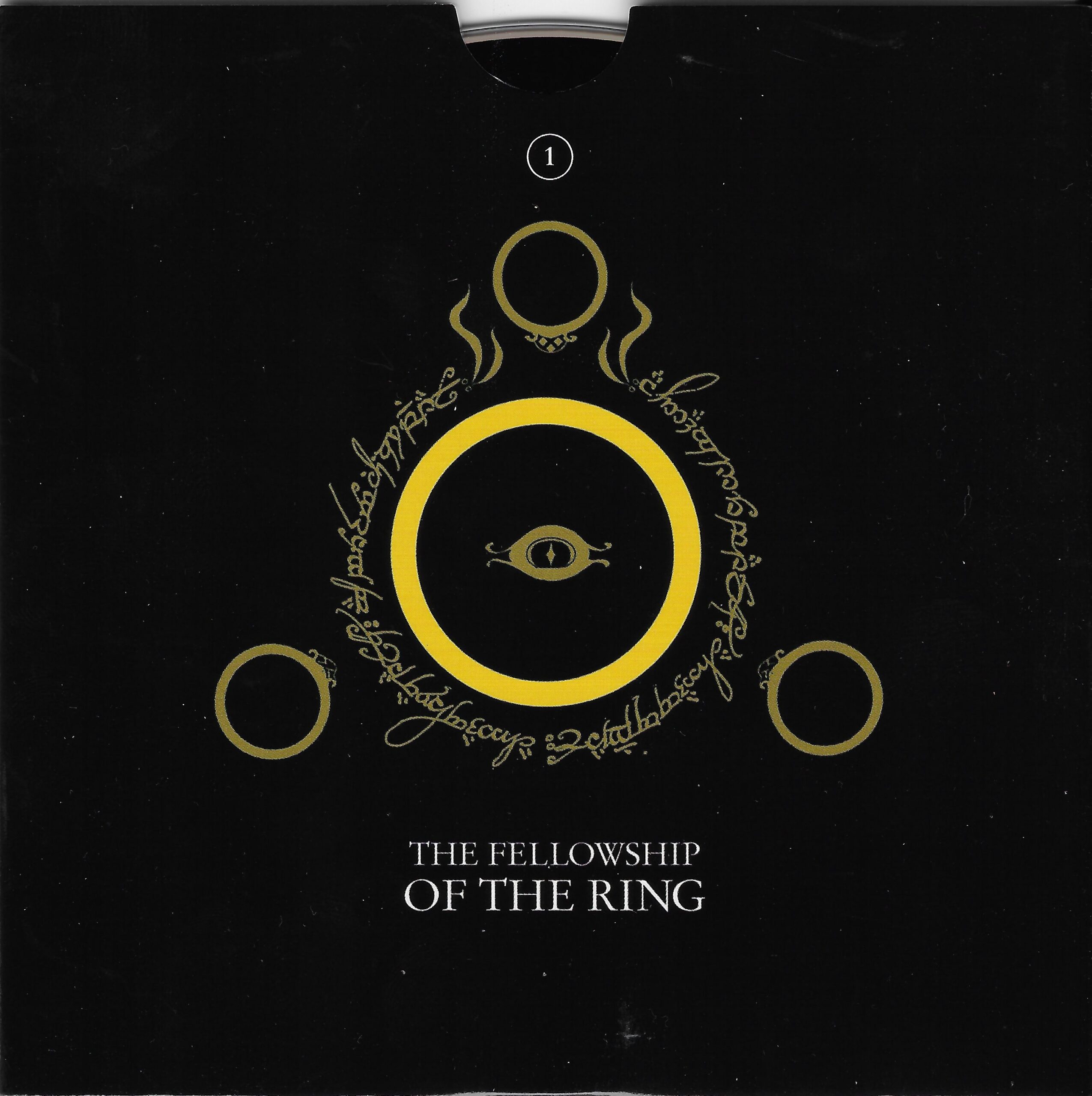
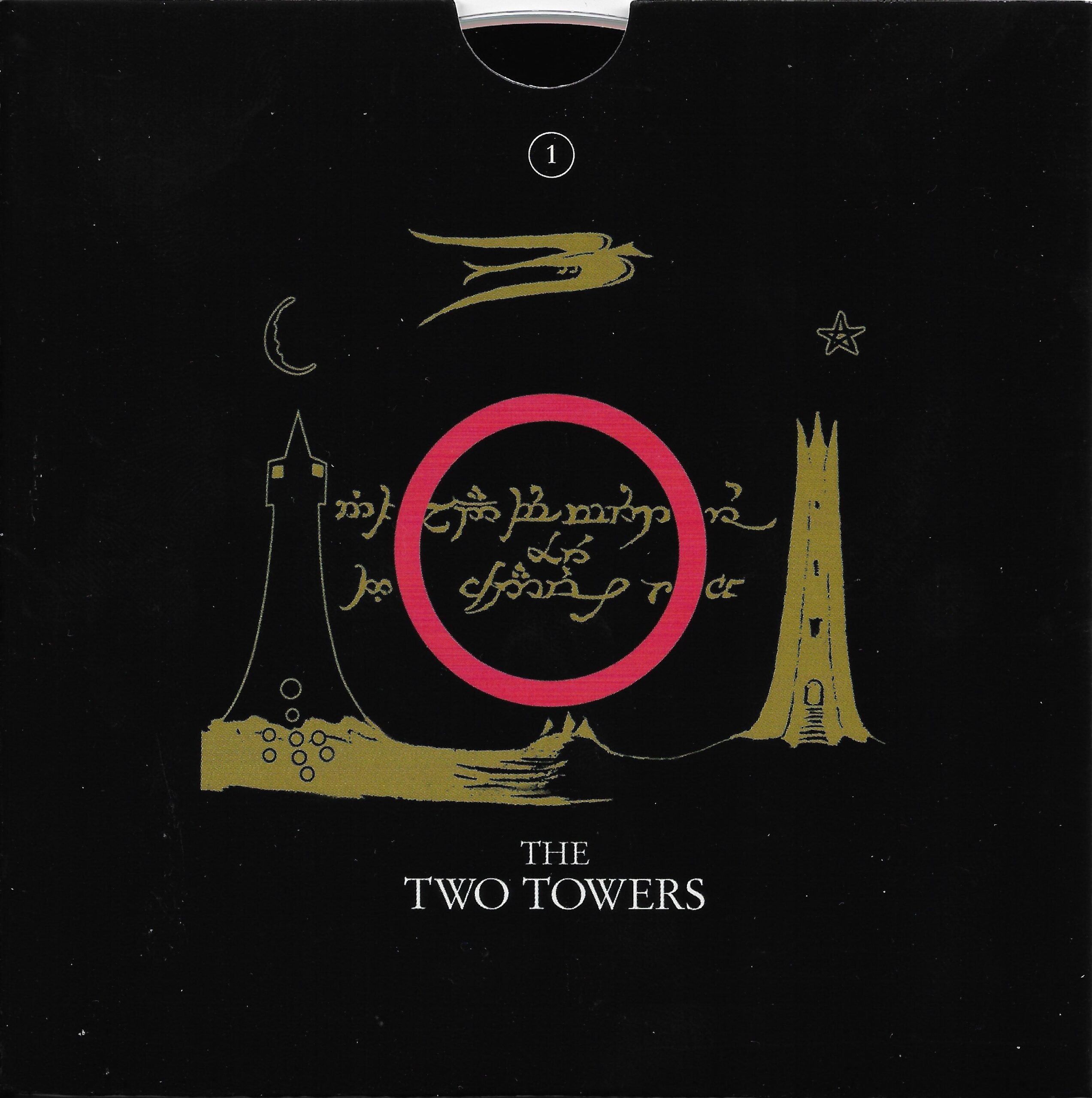
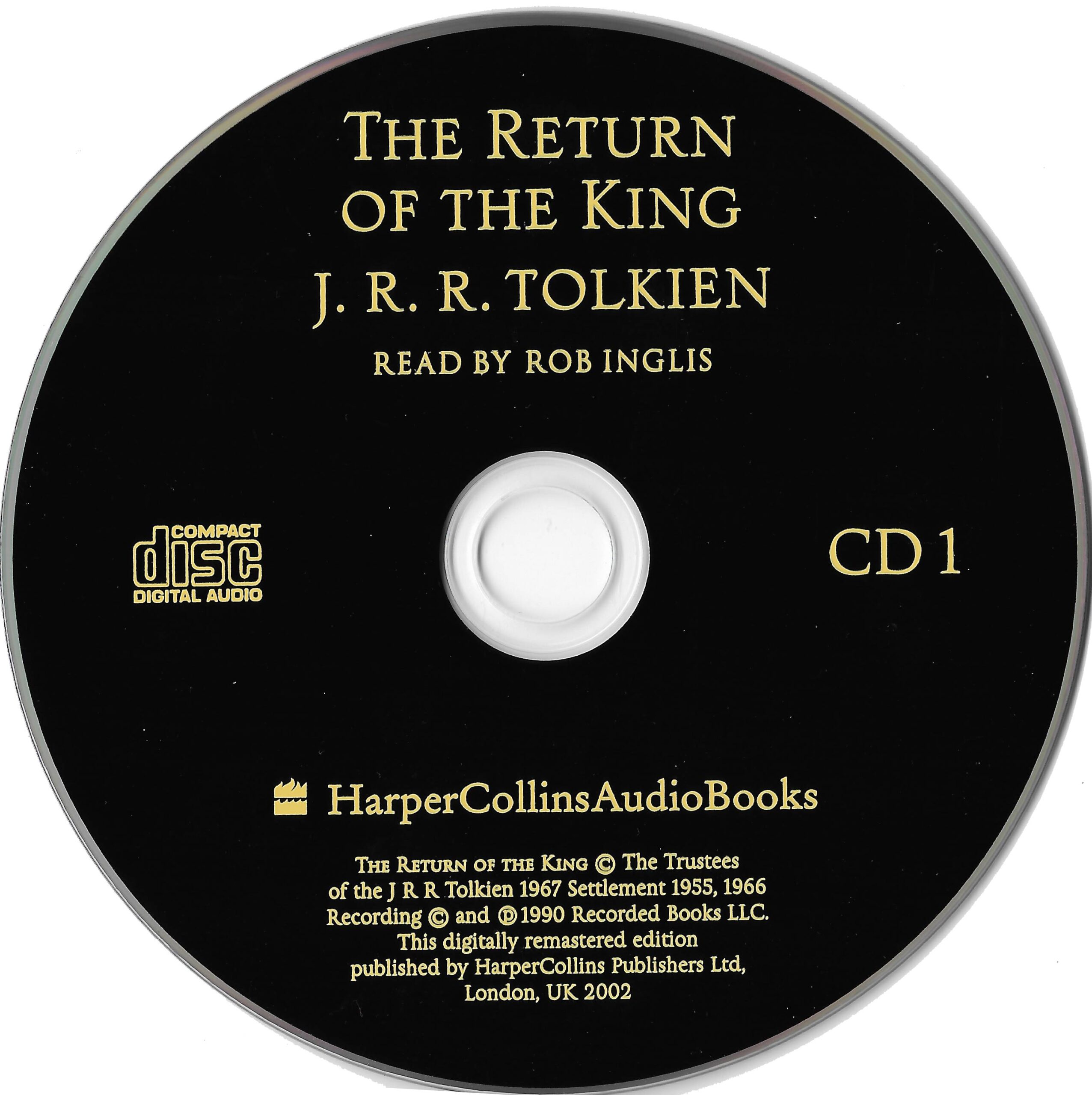
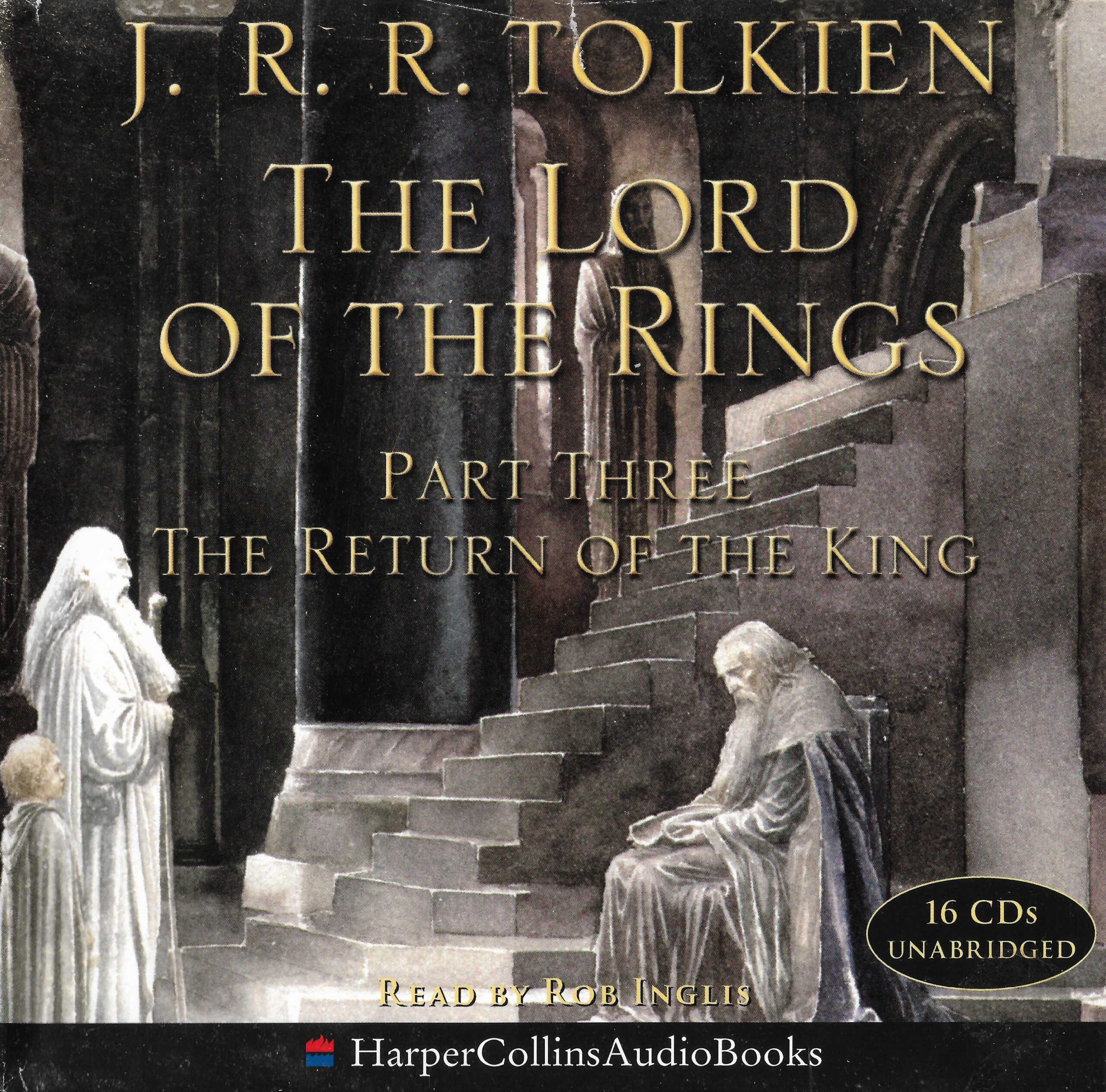
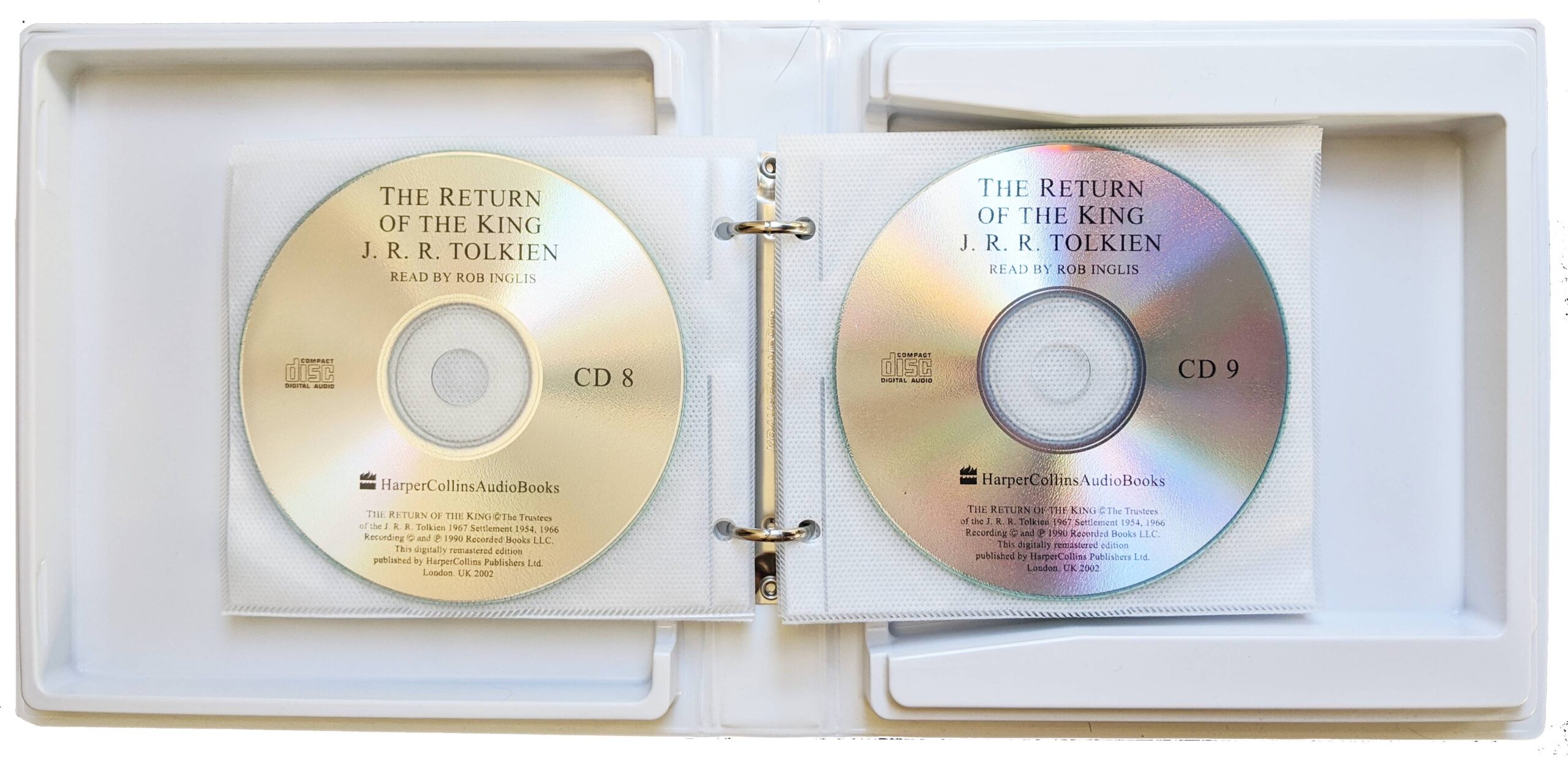
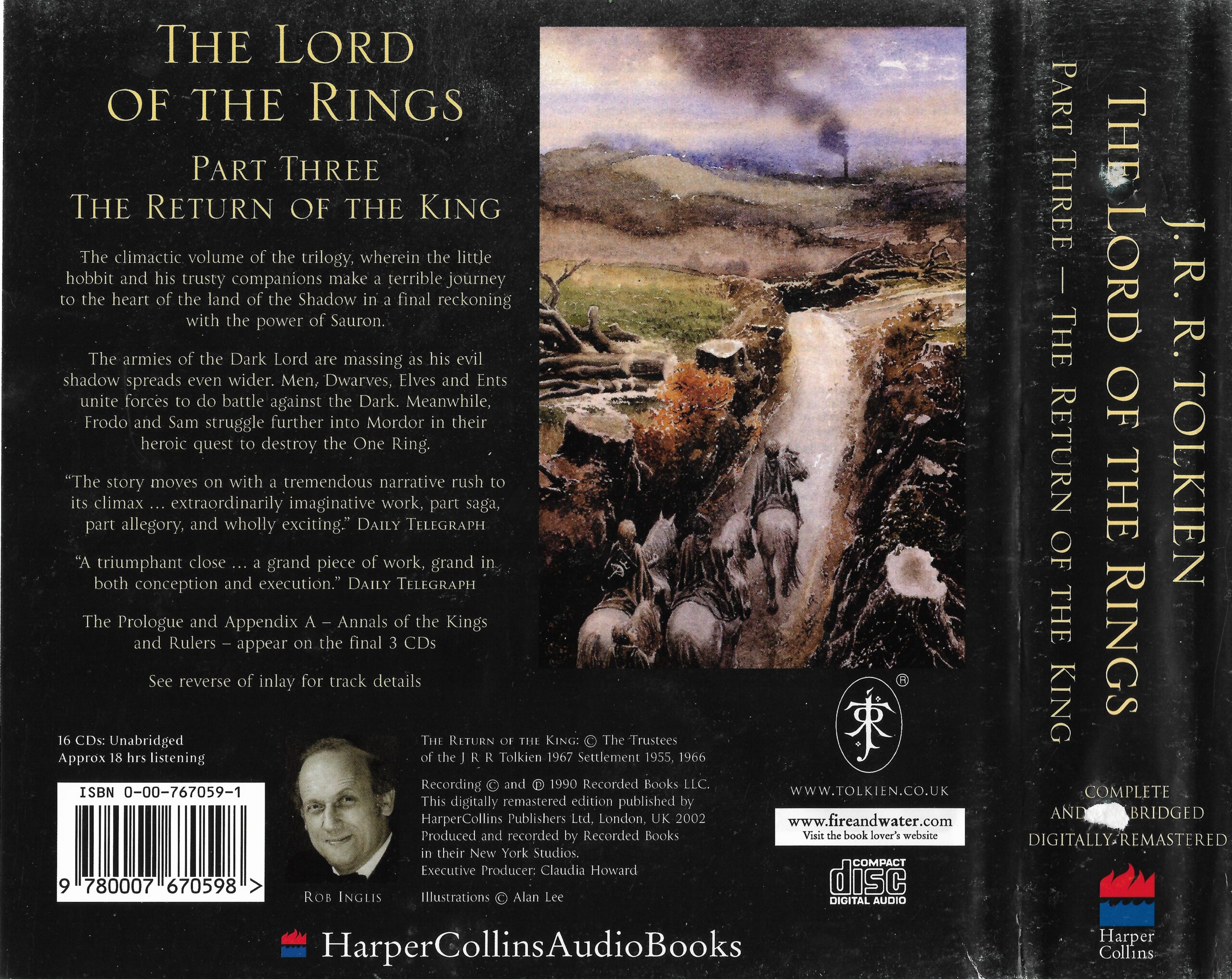
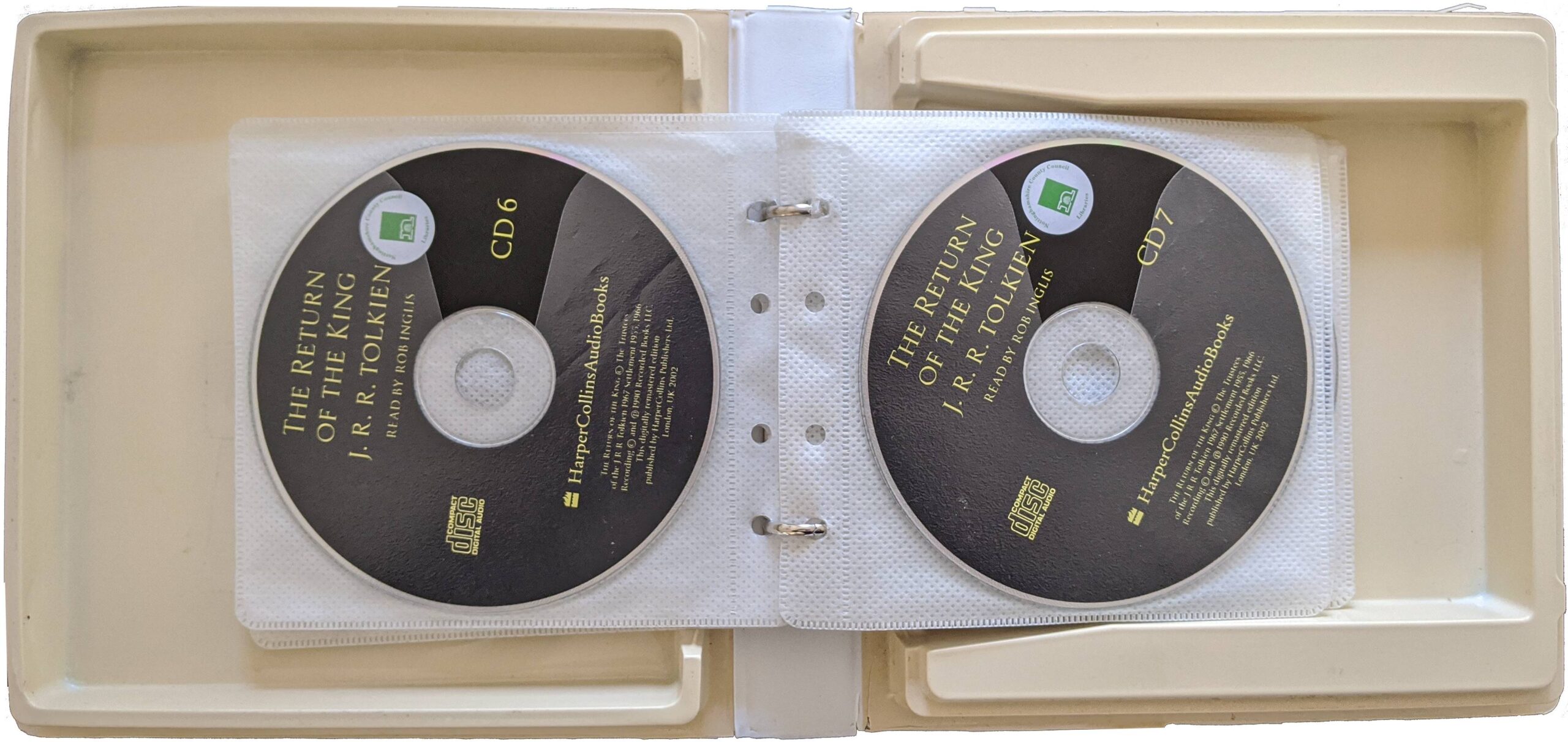
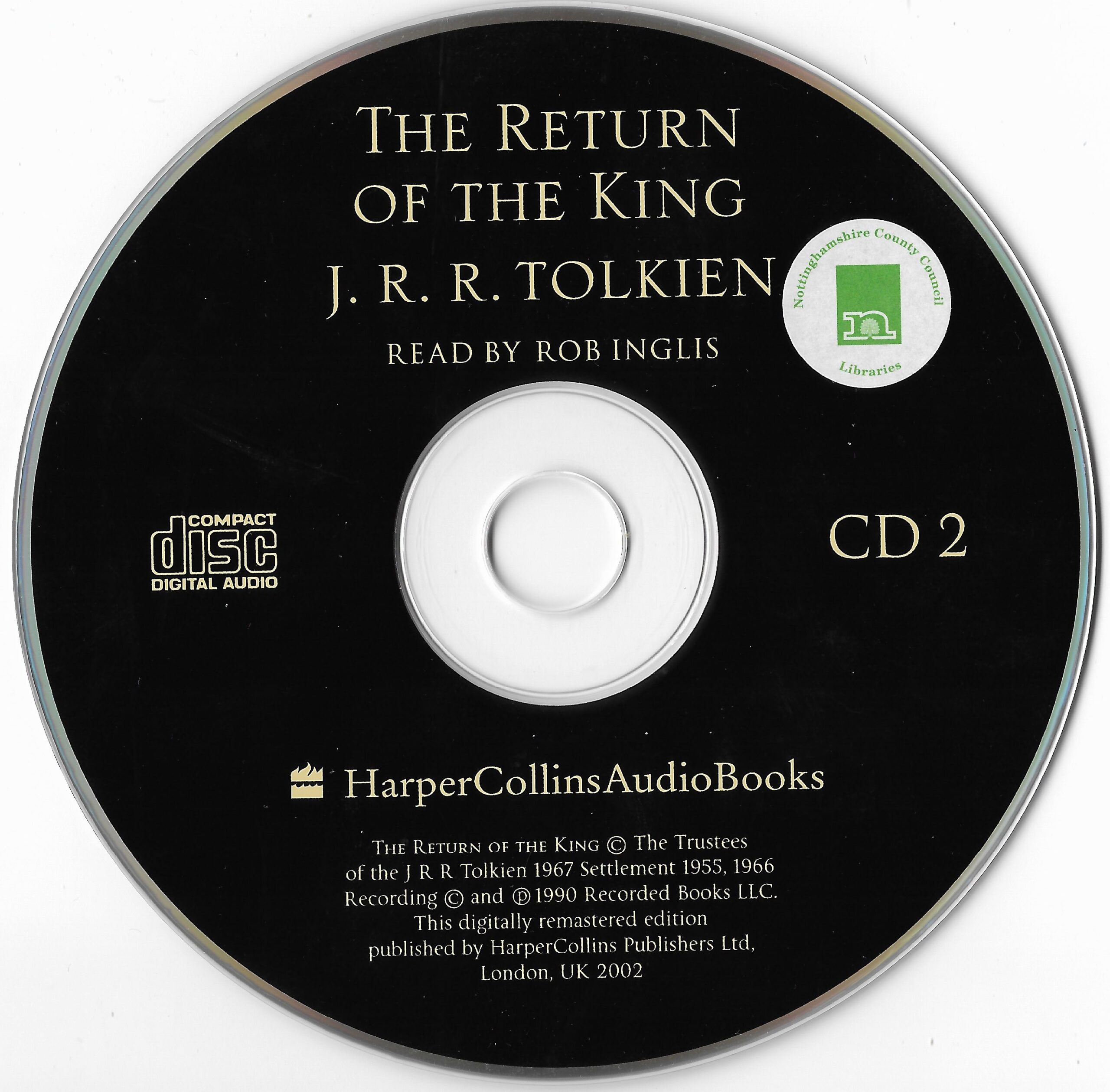
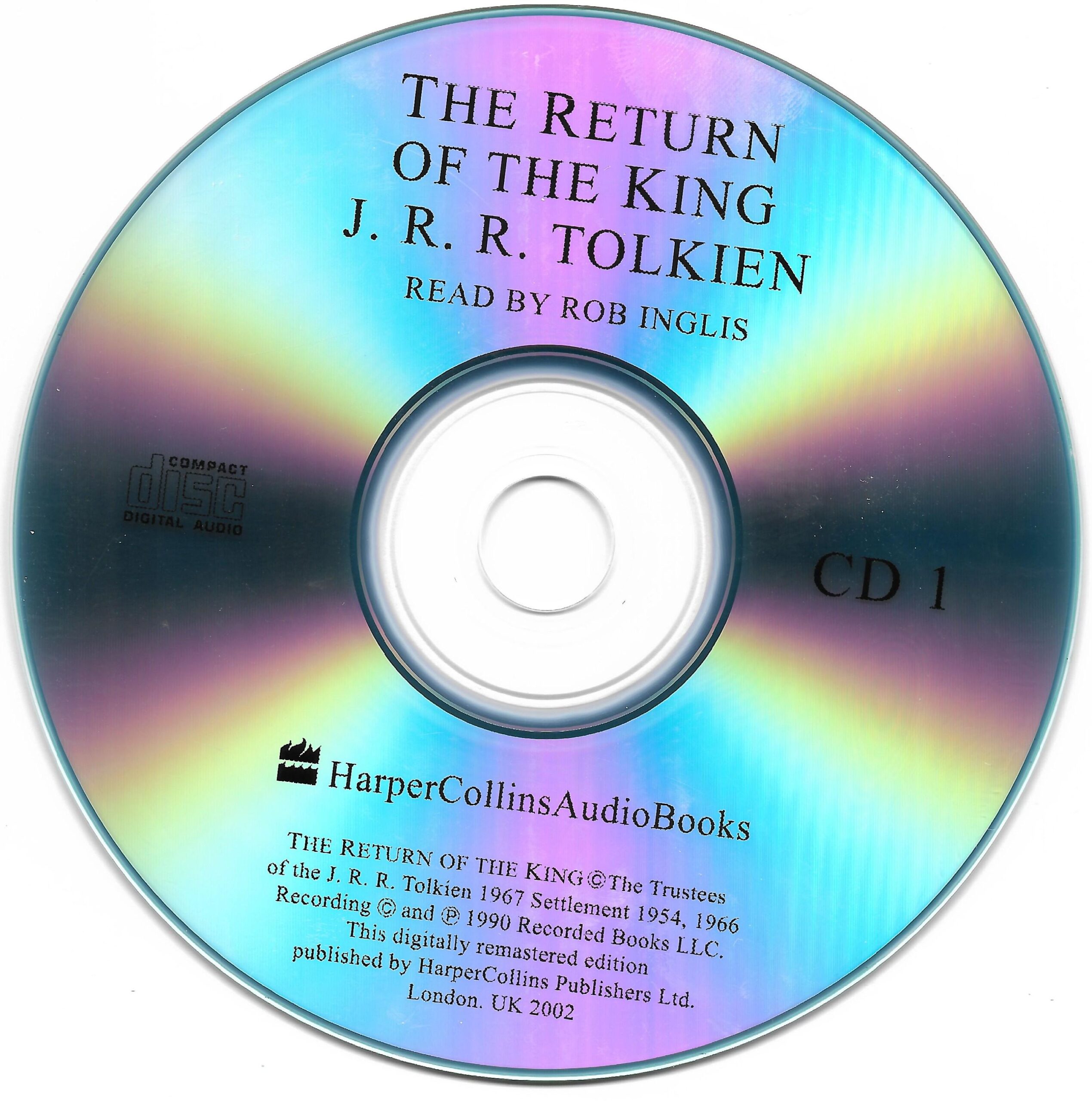
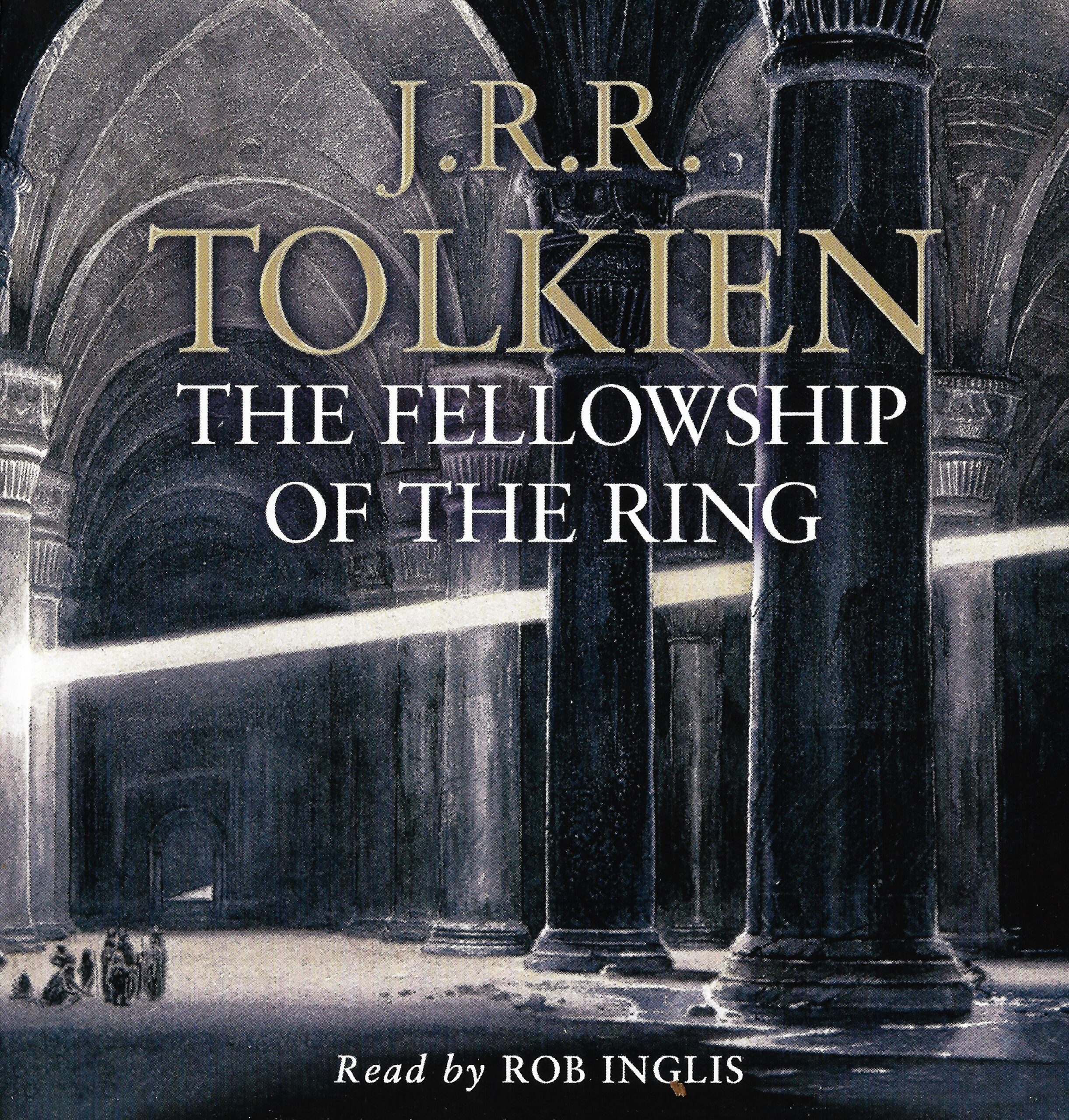
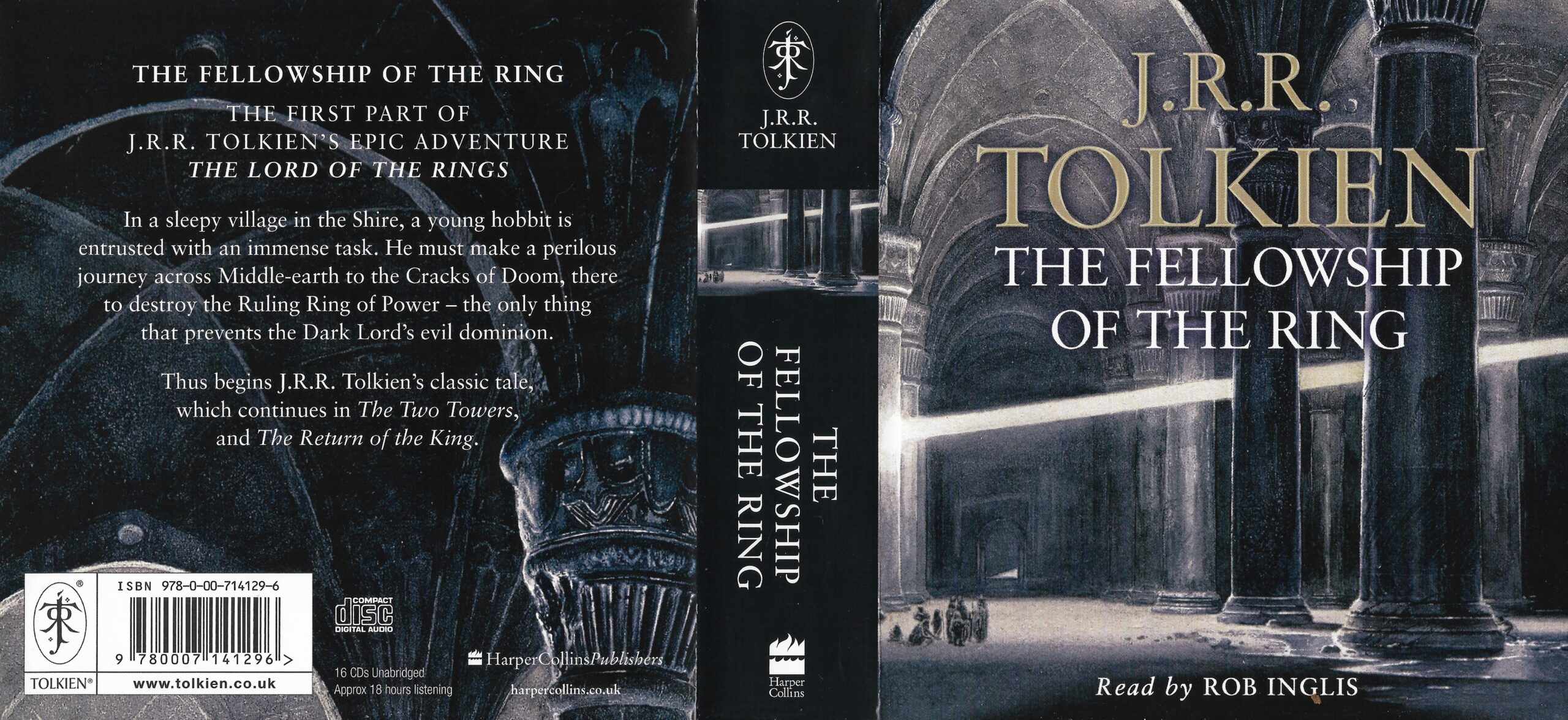
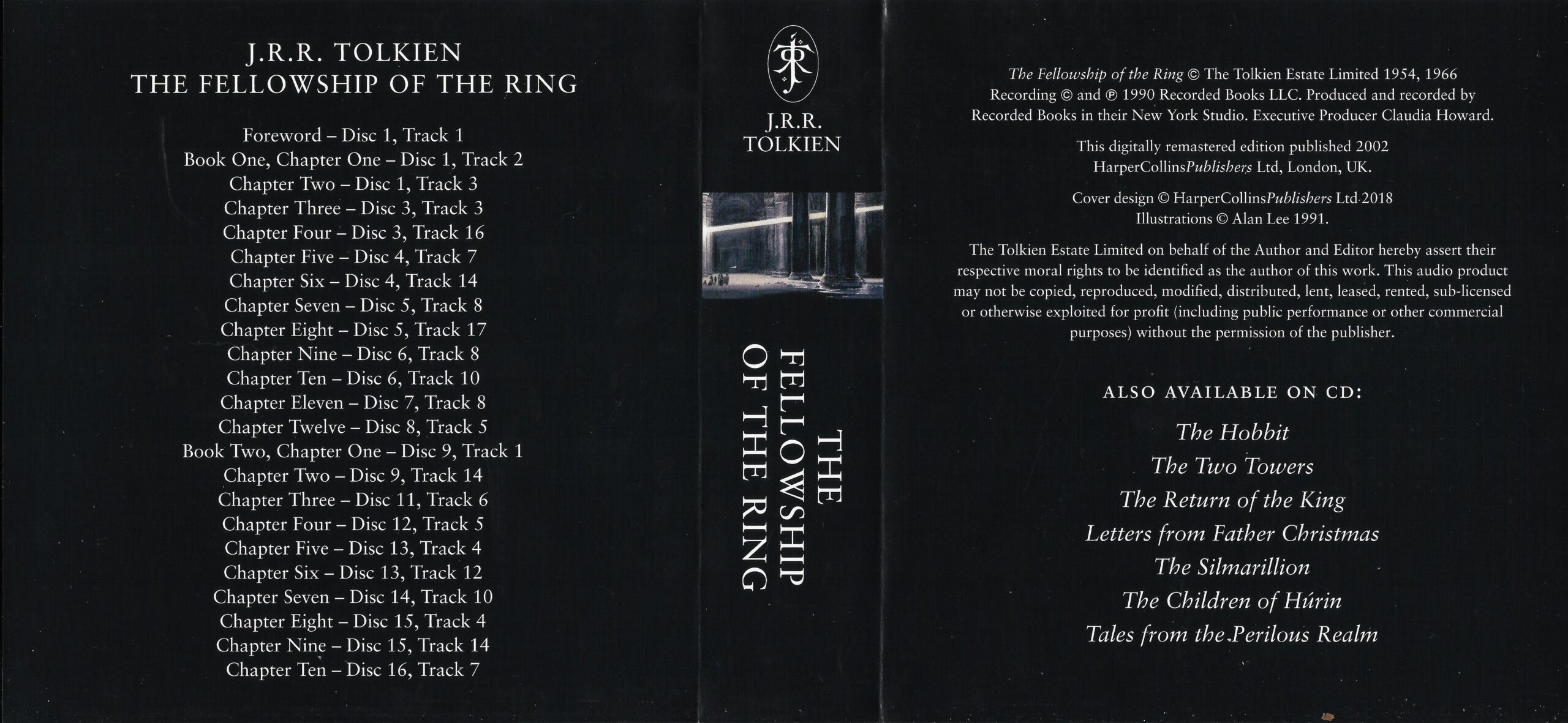
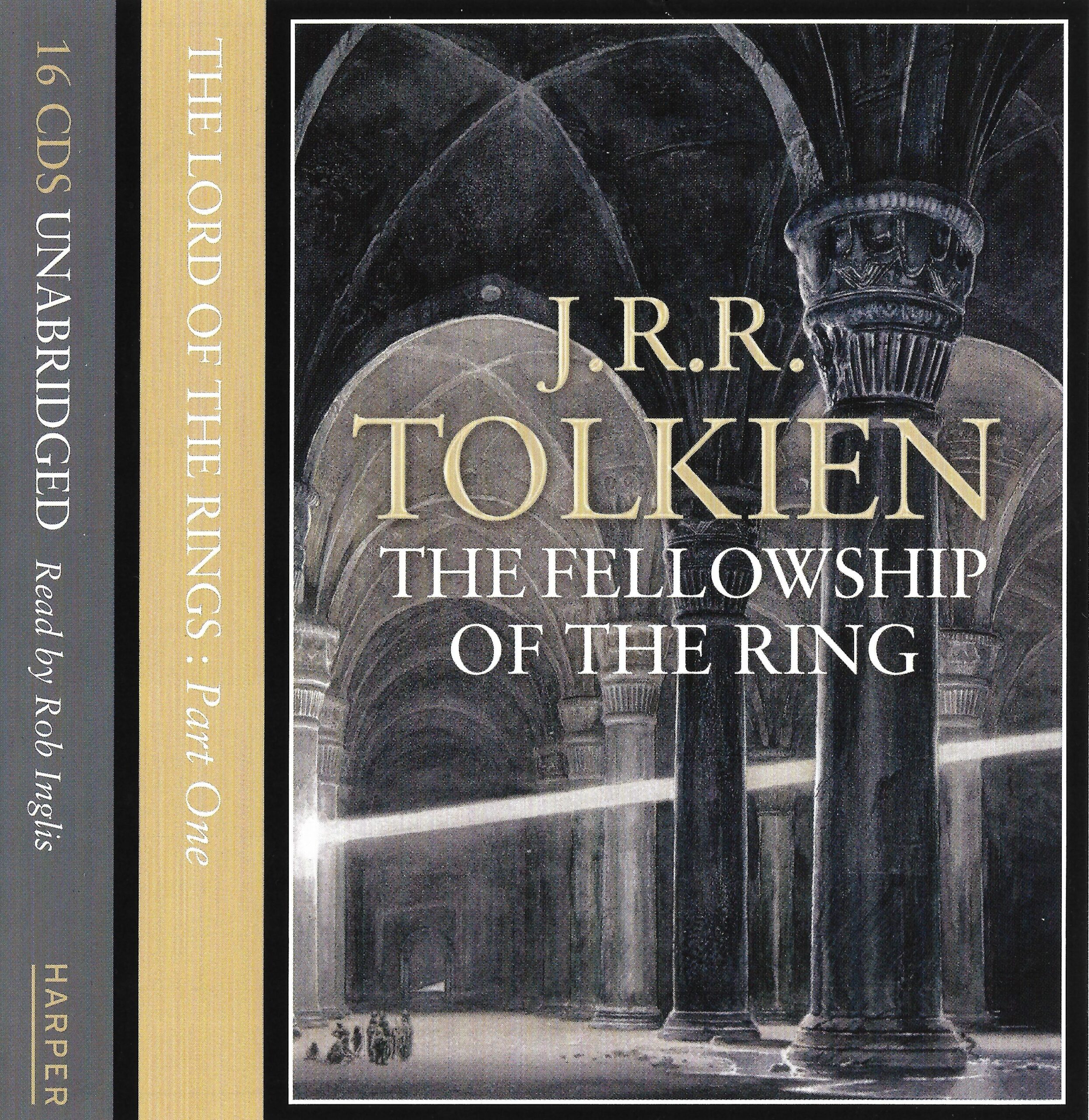
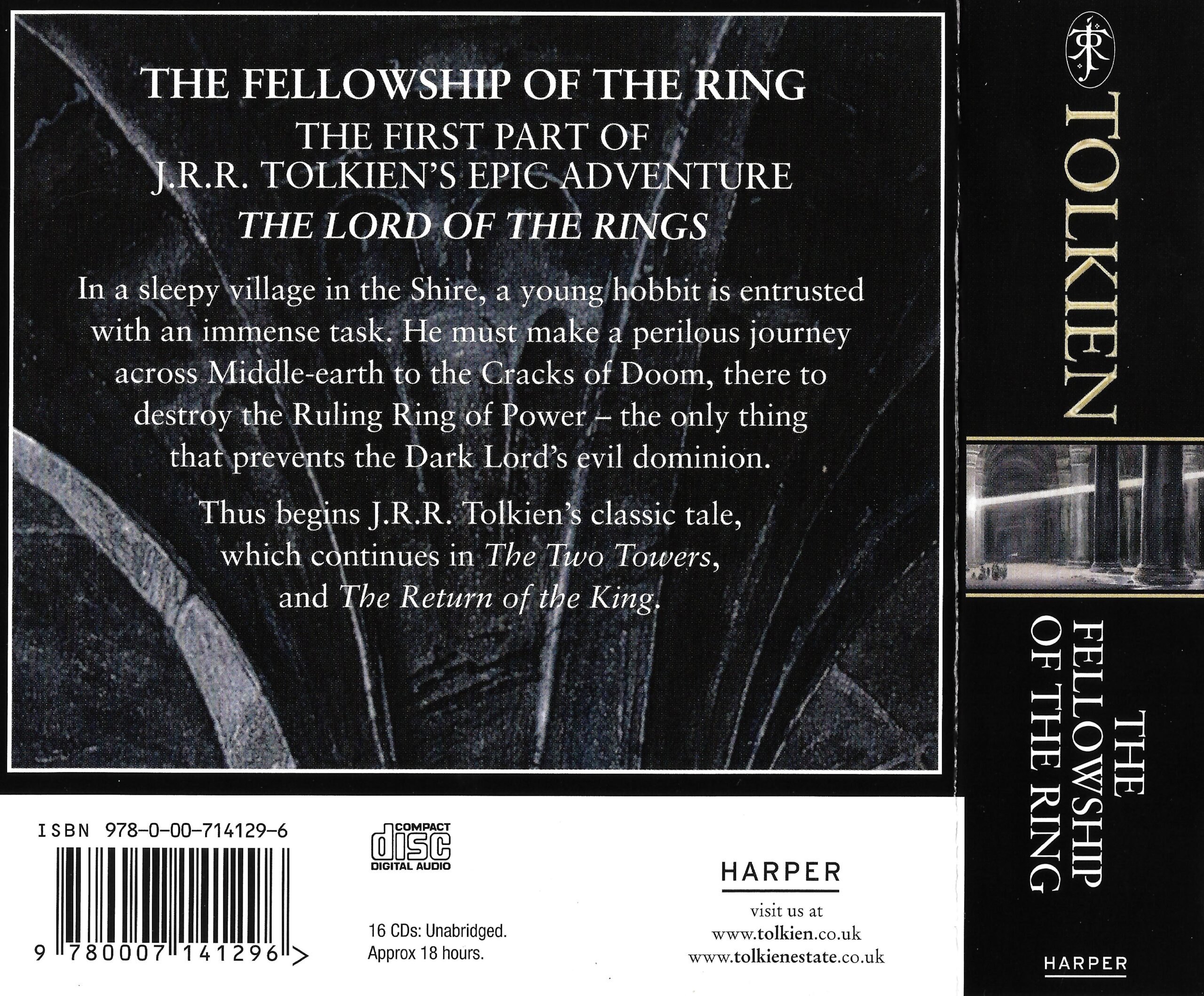
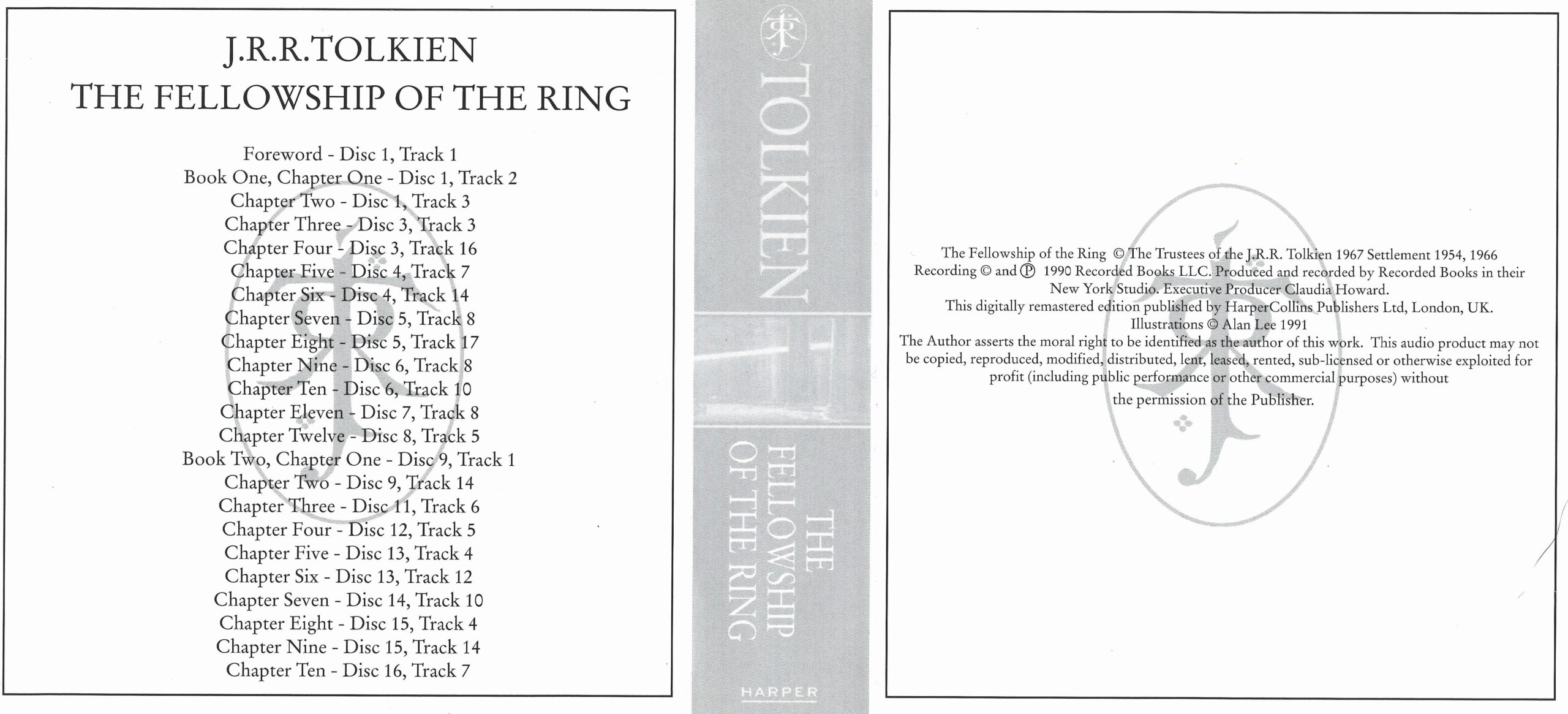
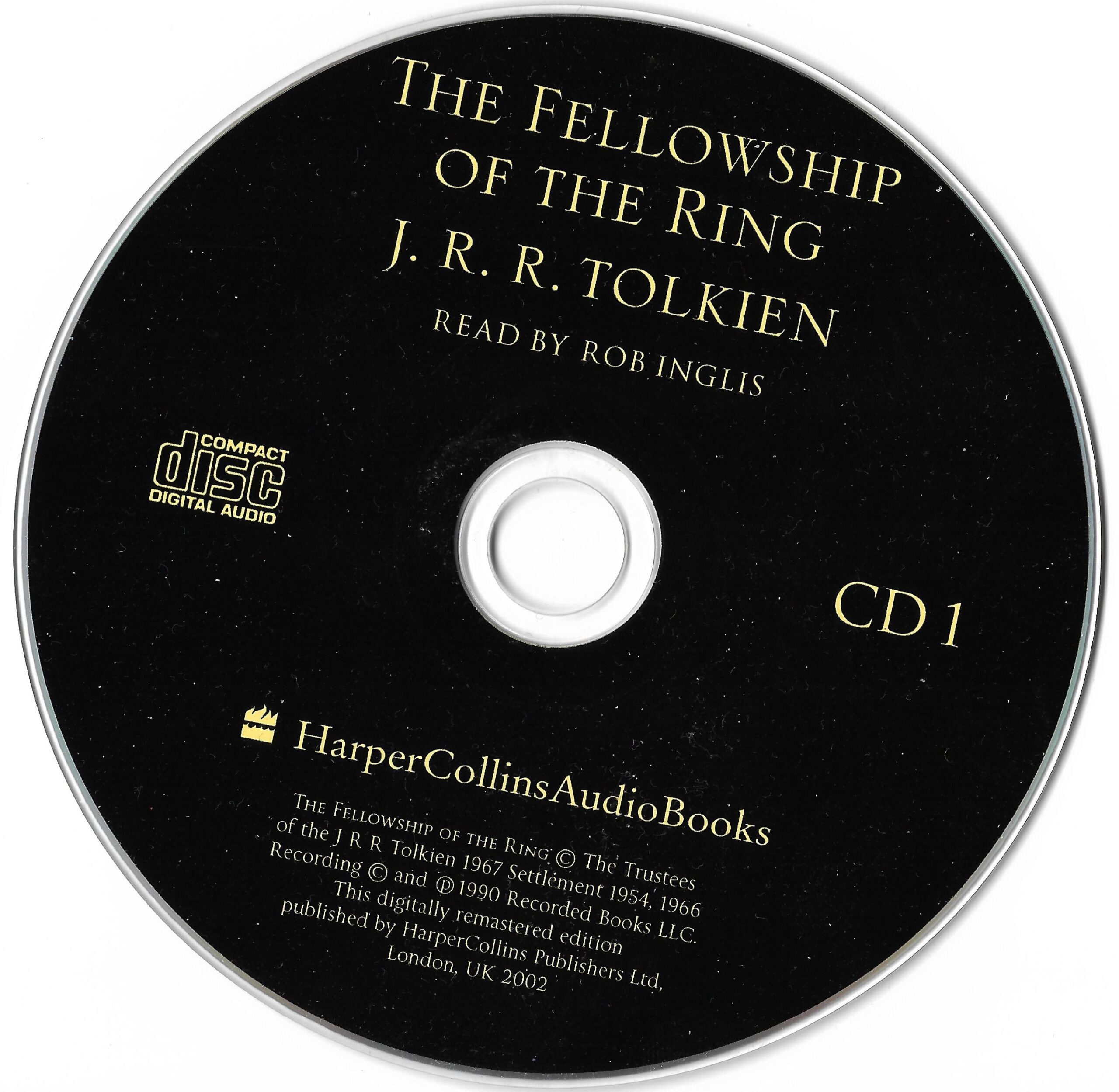
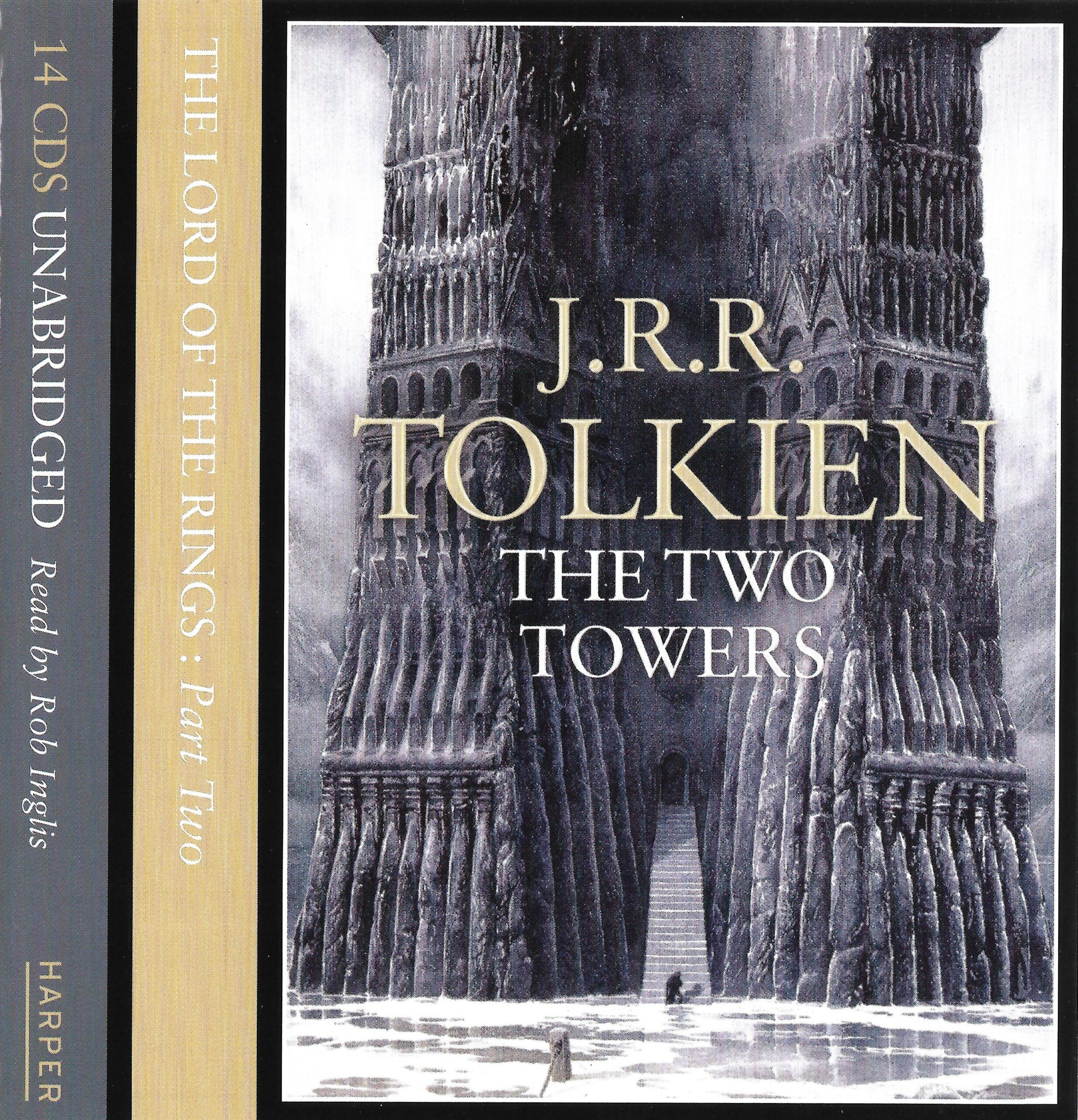
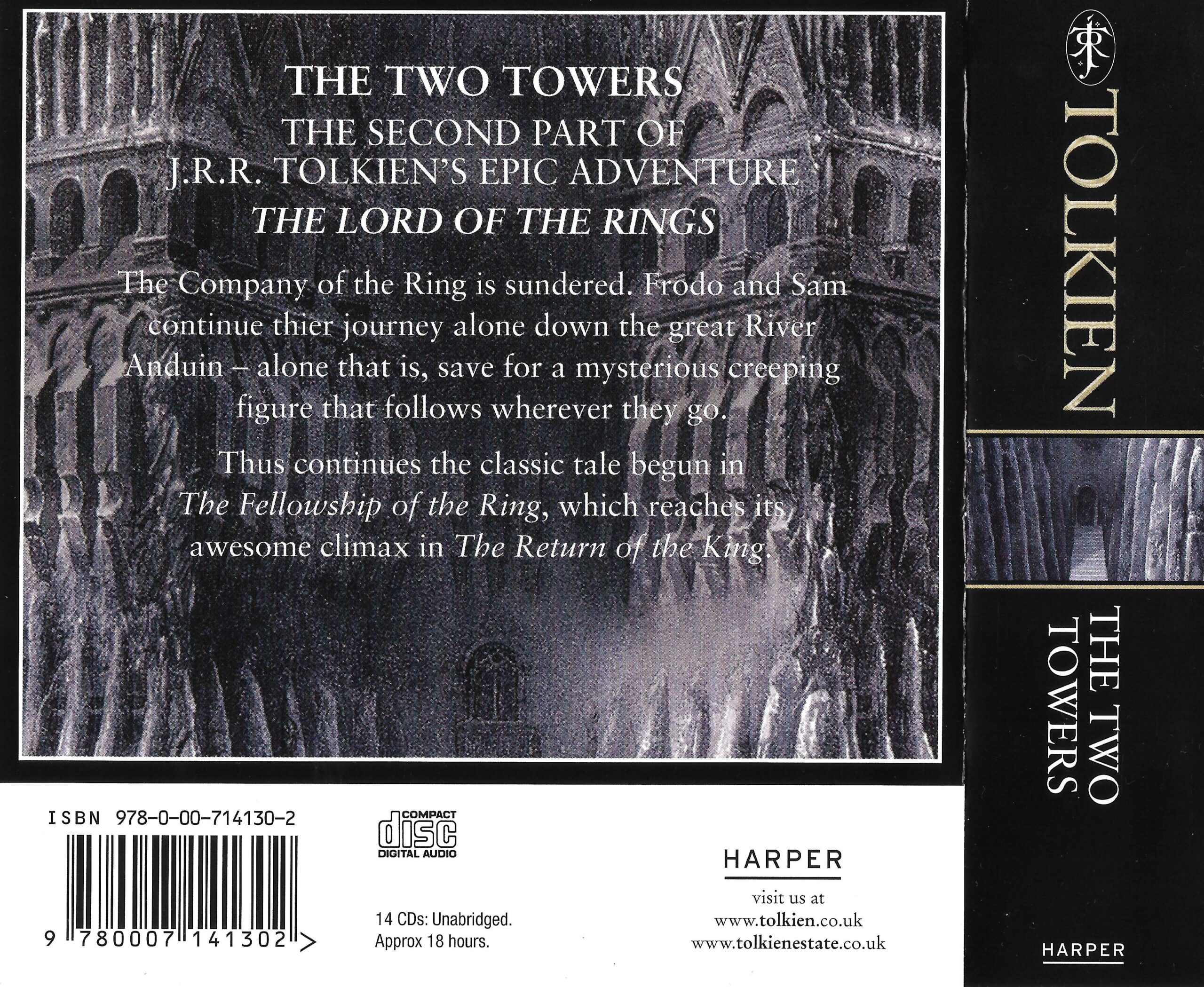
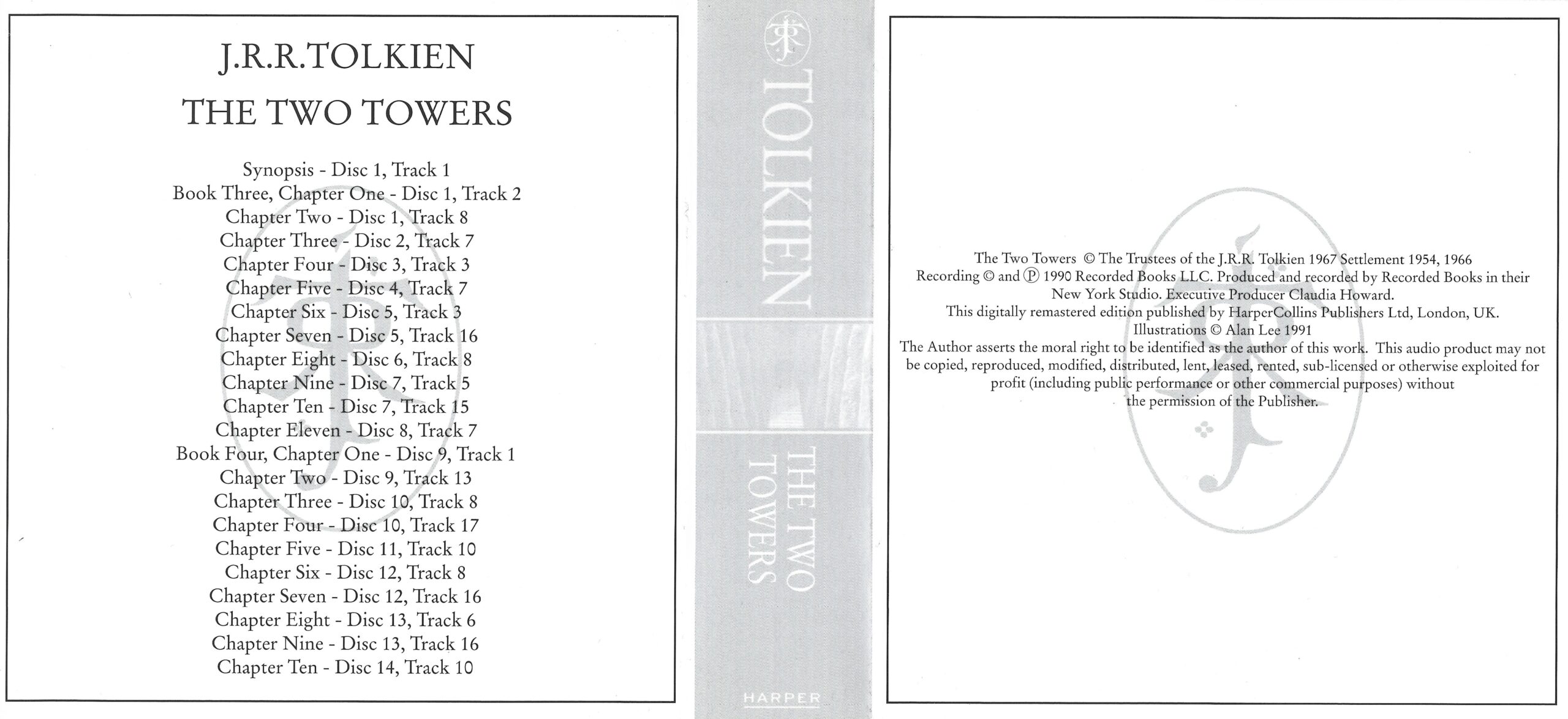
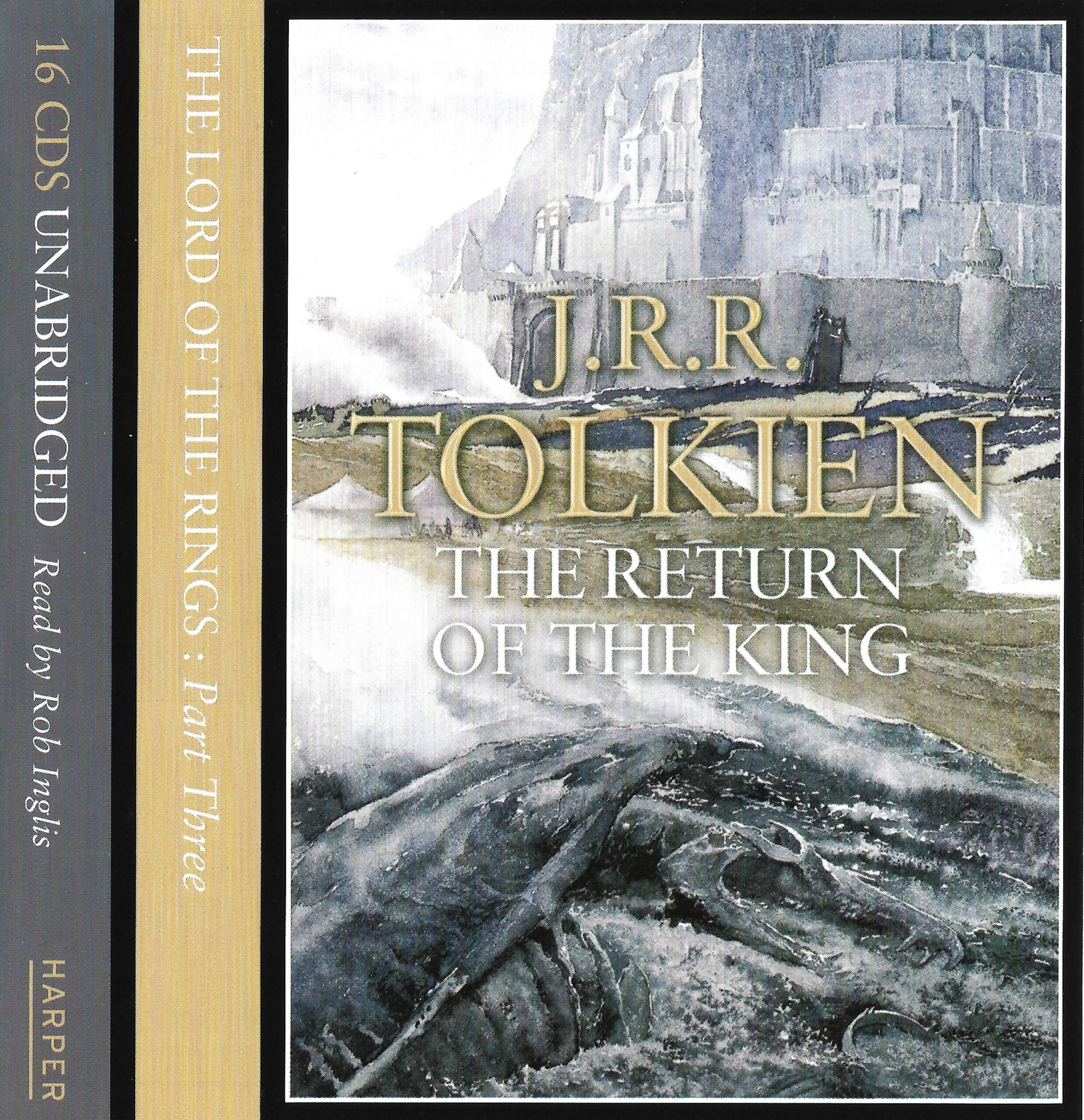
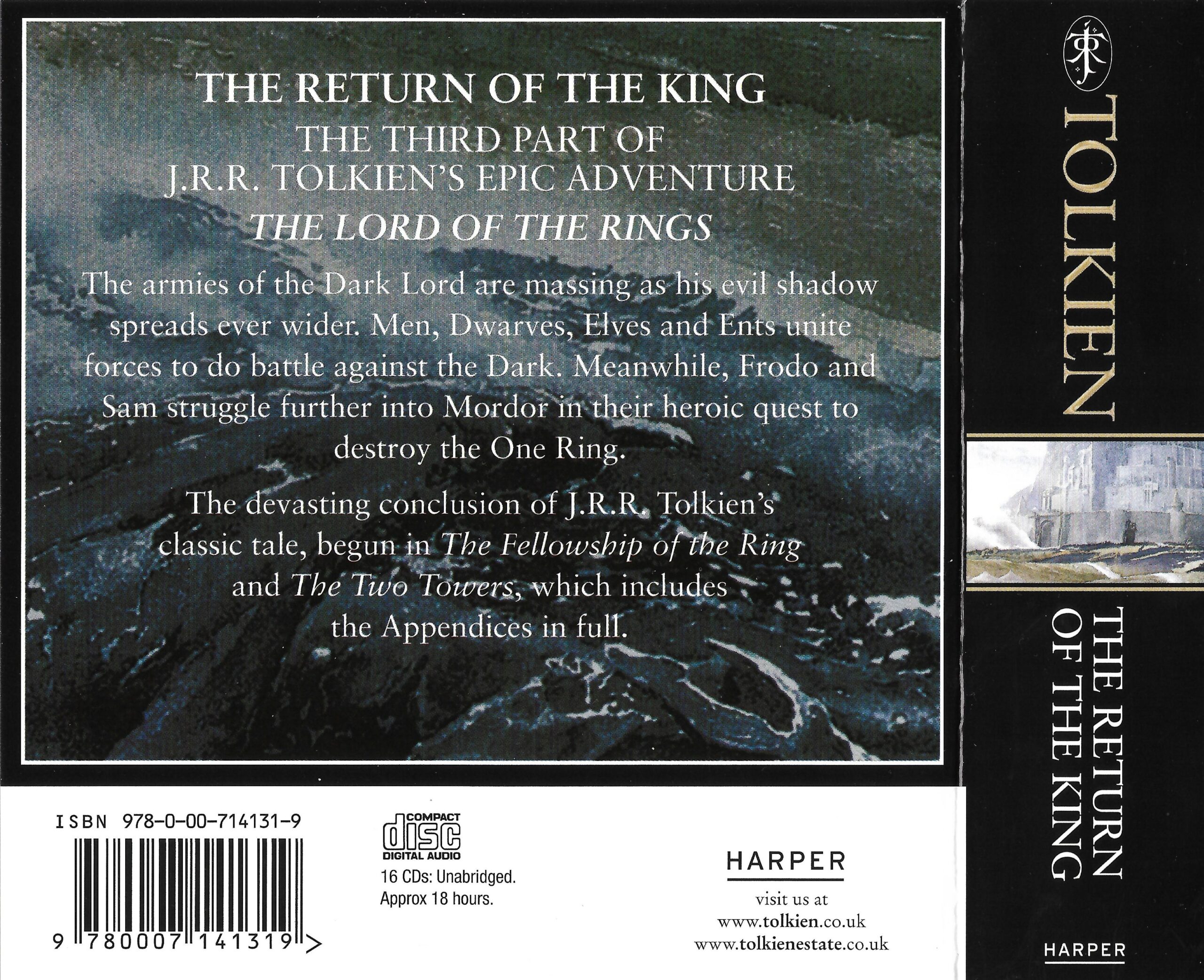
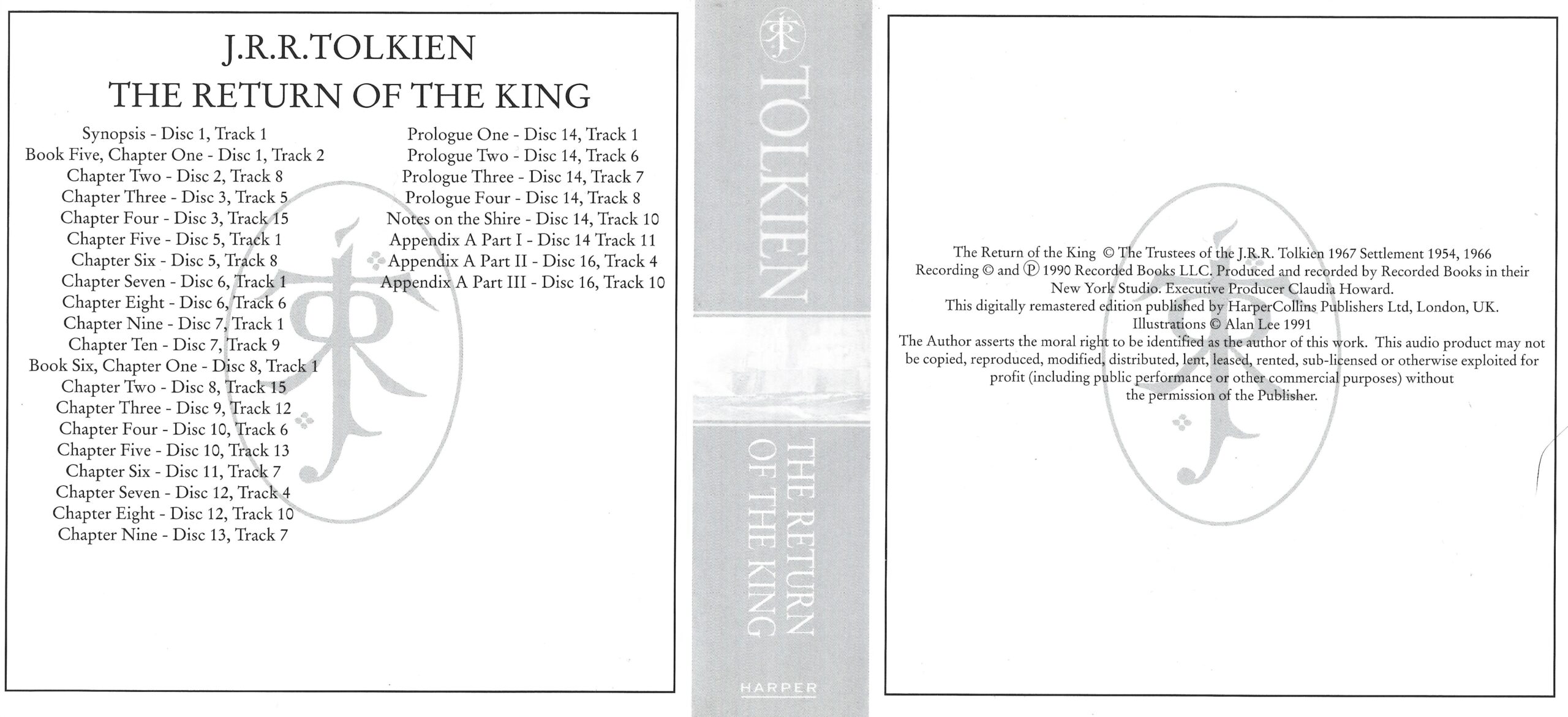
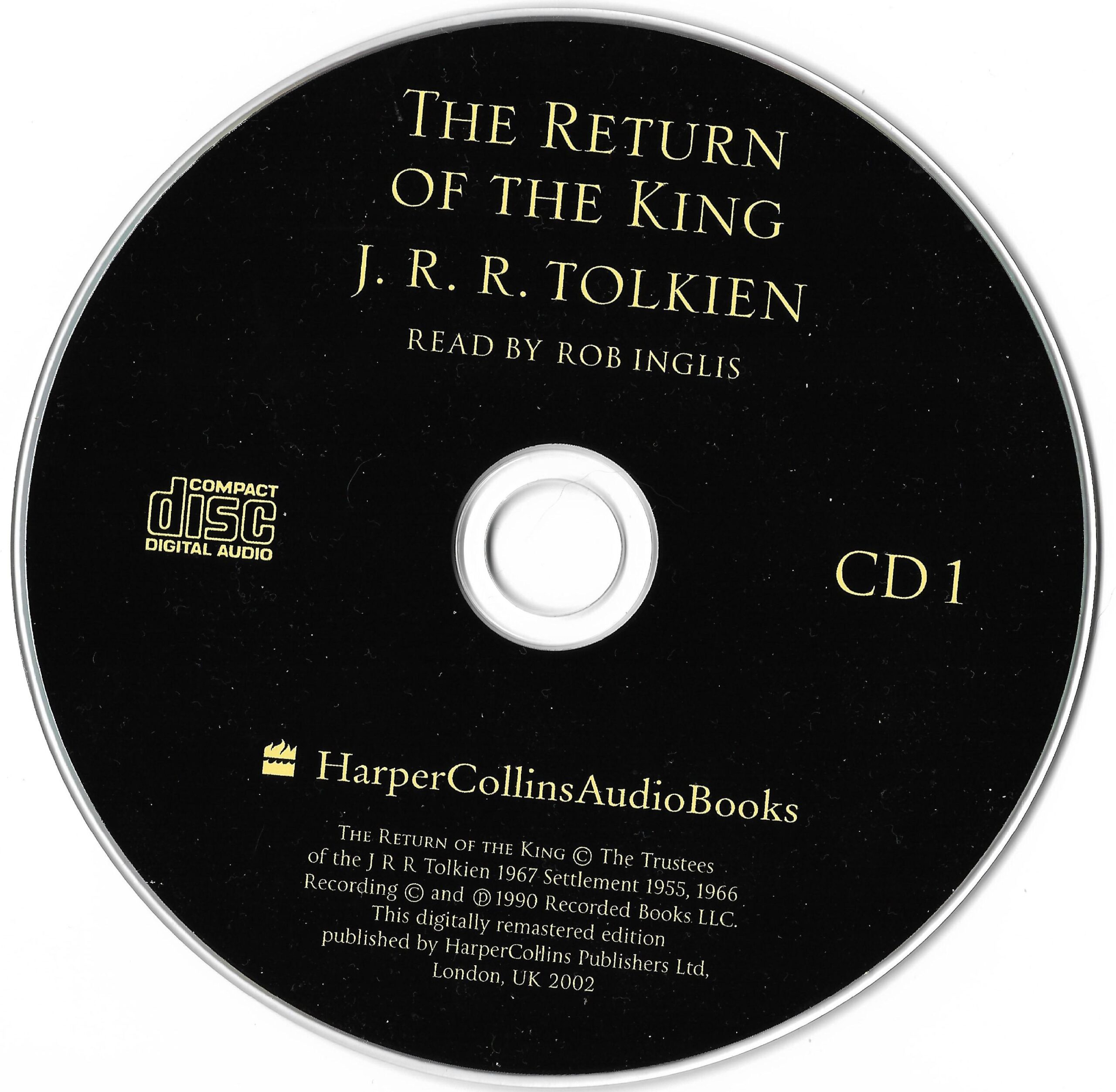
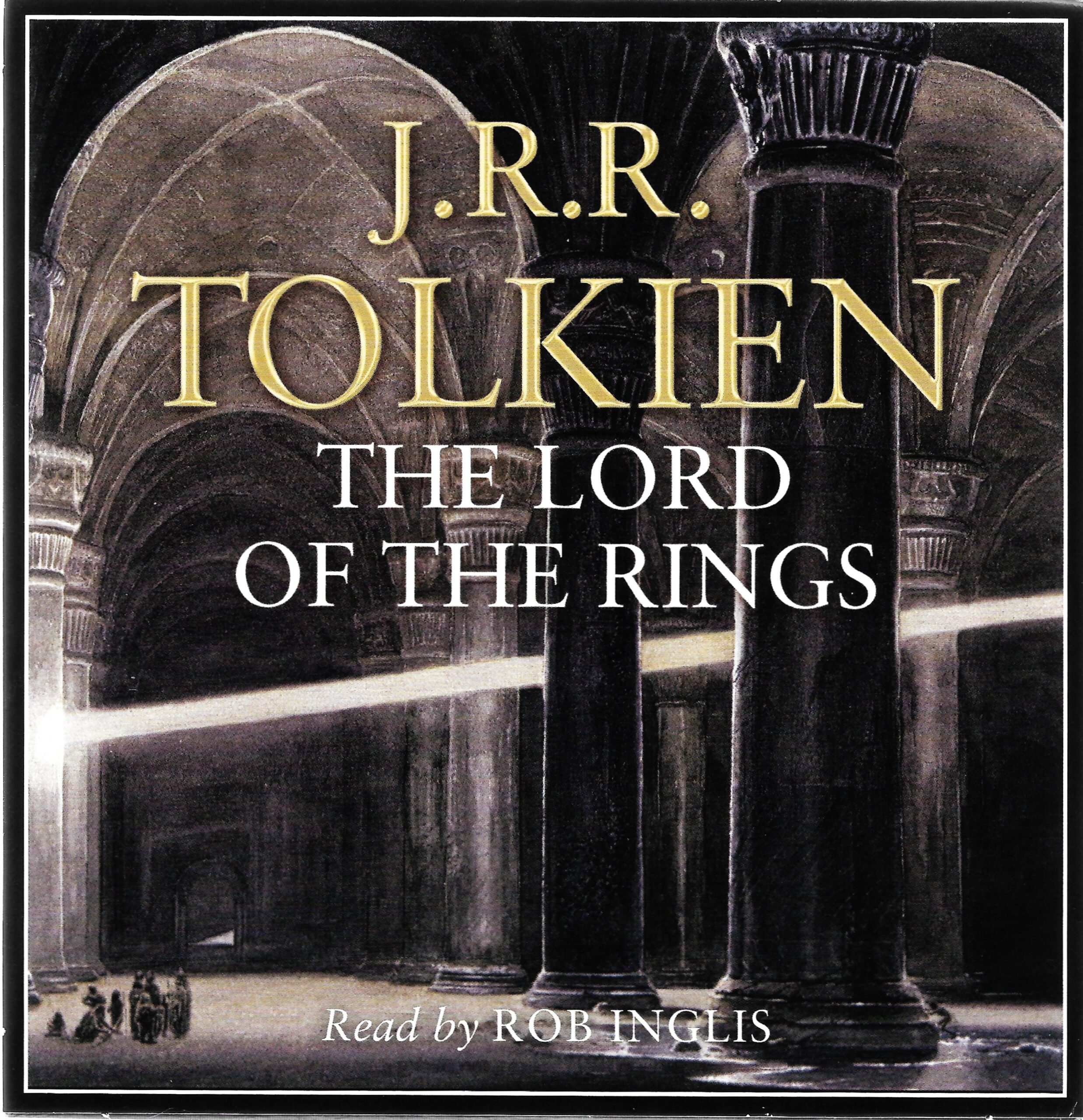
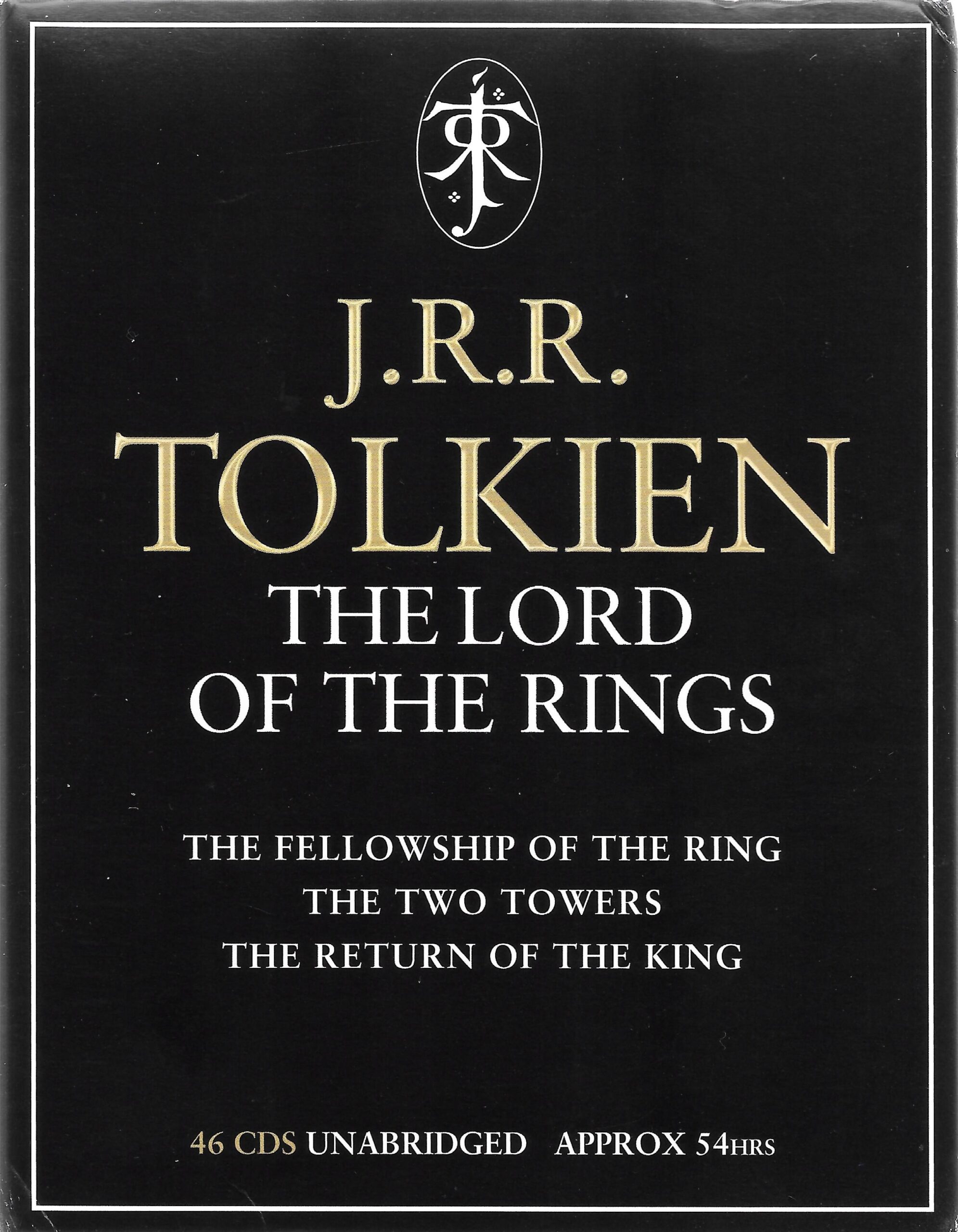
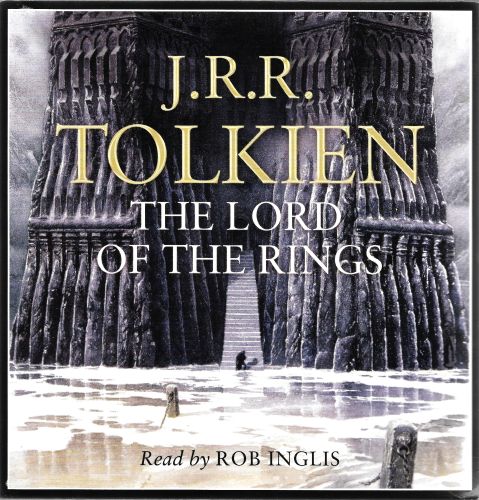
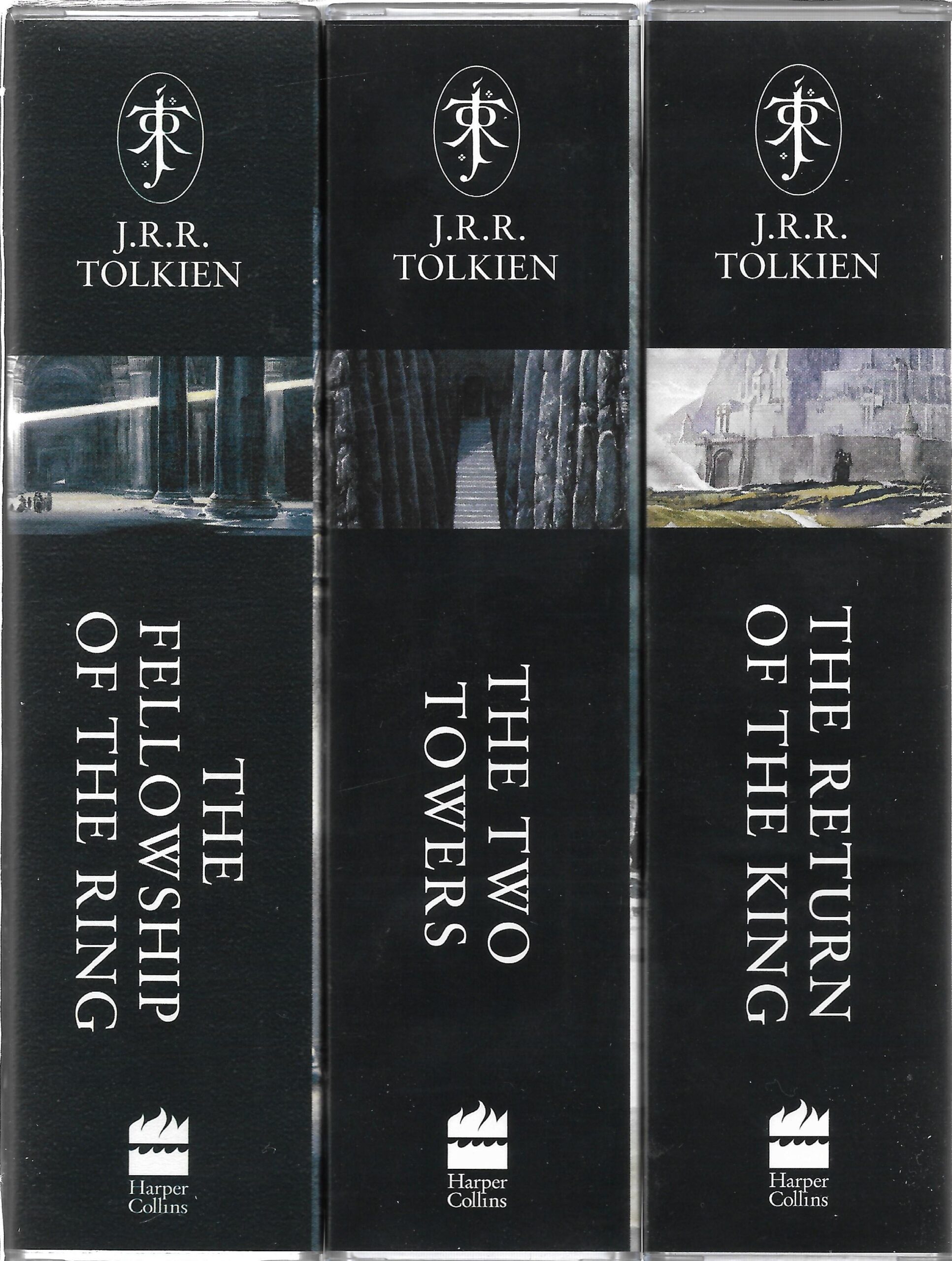
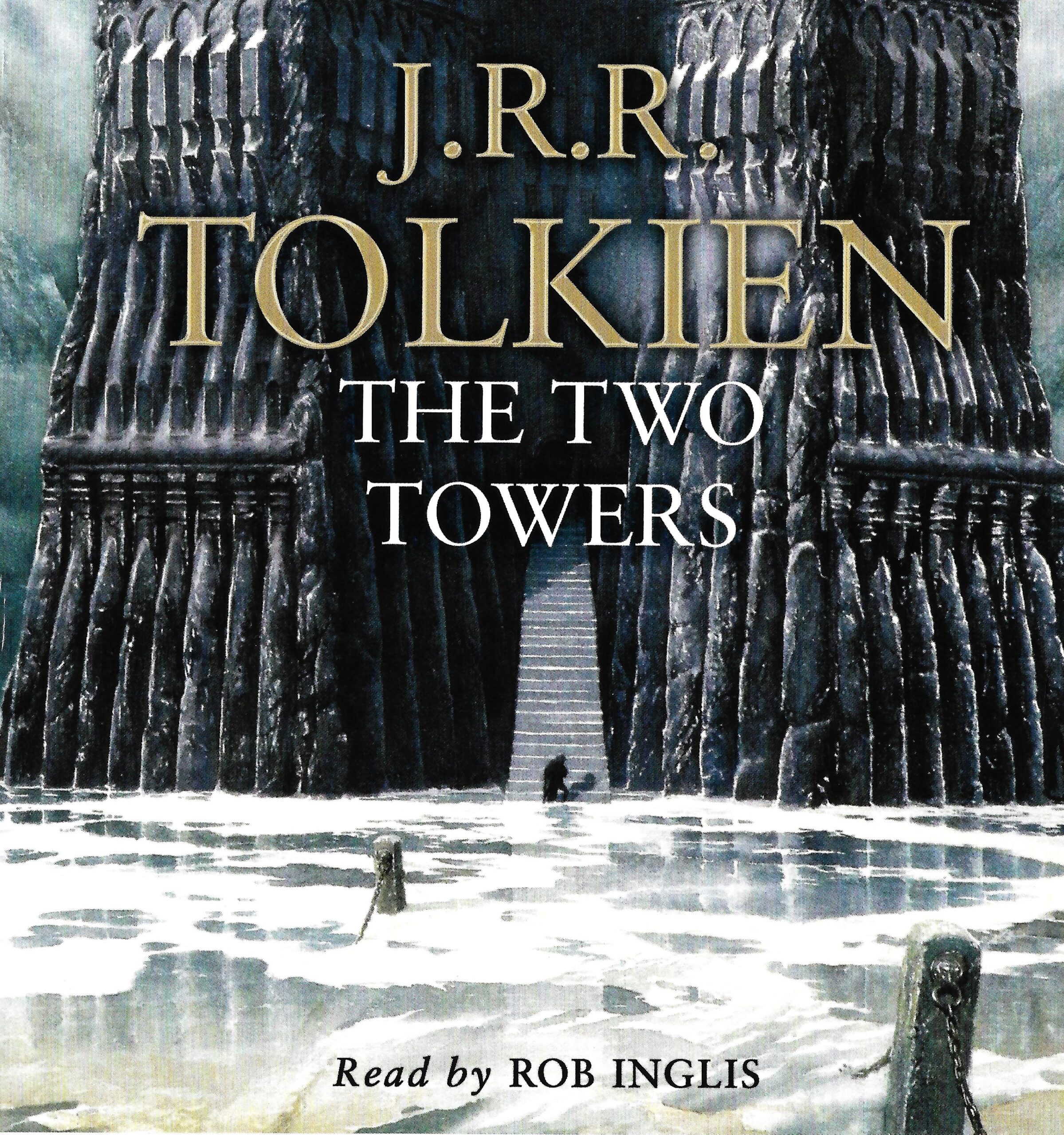
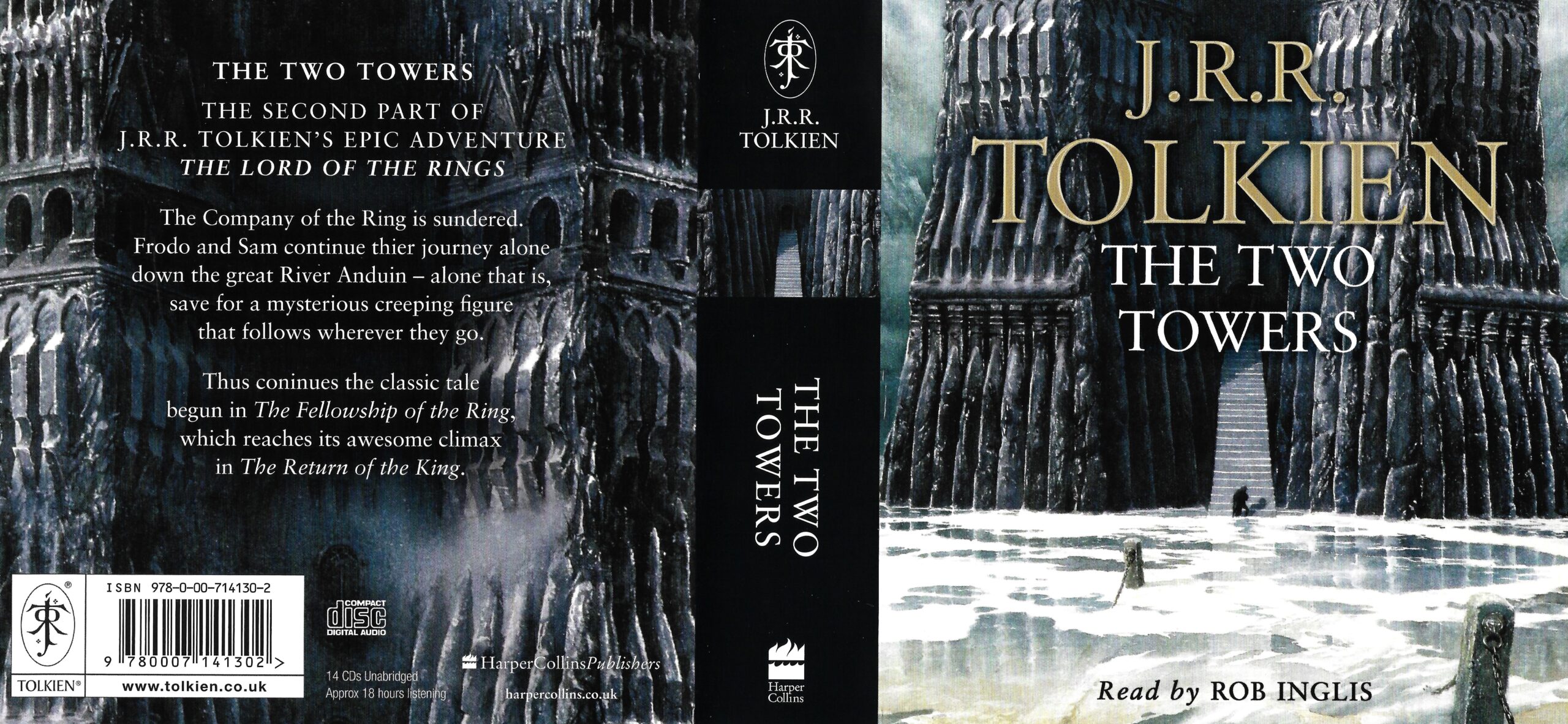
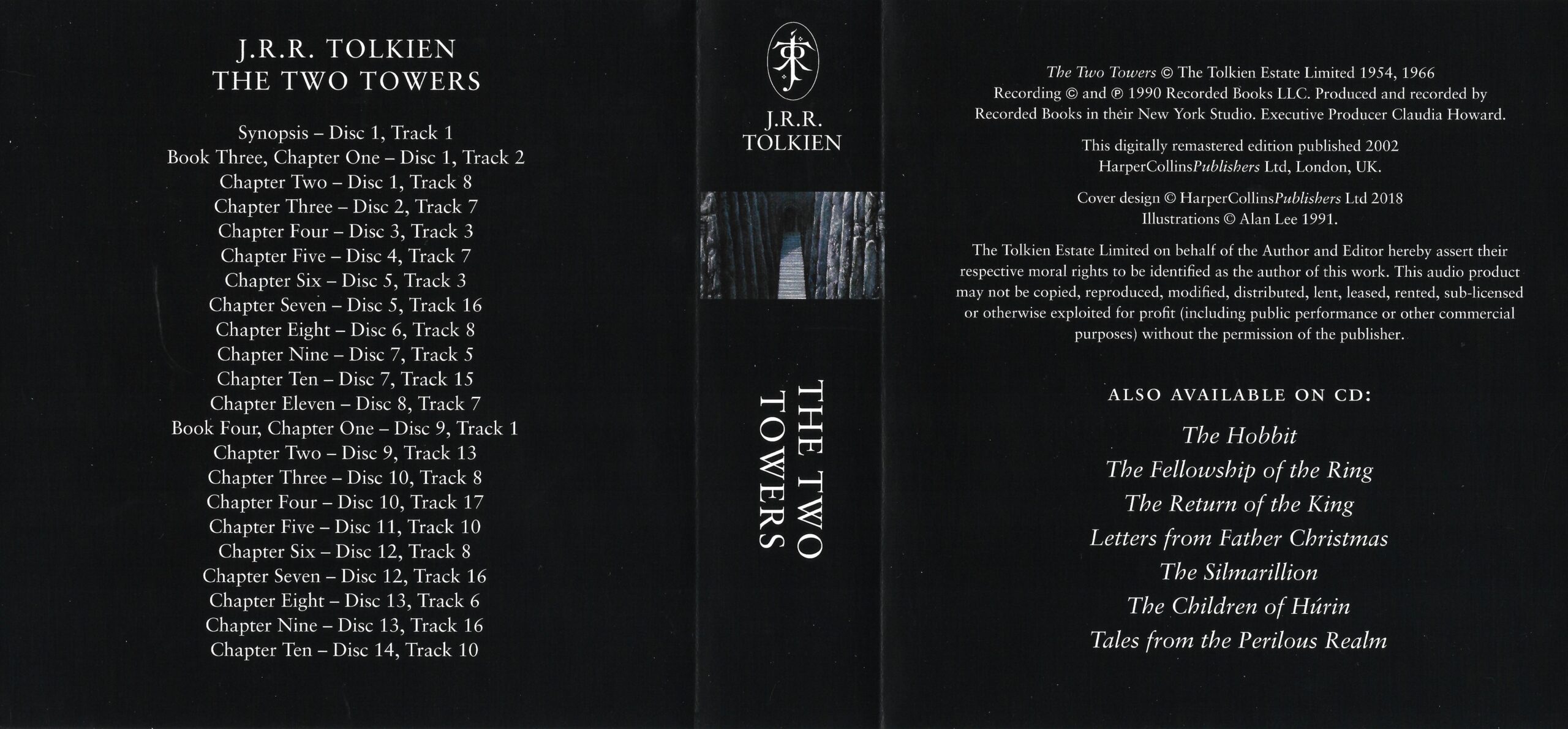
Robert (Rob) Inglis was born in 1933 in Australia and spent his career as a versatile actor, writer, and playwright. He moved to England in the 1950s and became a regular of the British theatrical scene, performing with the Royal Shakespeare Company (RSC) and the National Theatre. To the Tolkien community, he is primarily remembered as the man who voiced the “First Generation” of unabridged audio books.
In the 1970s and 80s, Inglis had been performing successful one-man stage adaptations of The Hobbit and The Lord of the Rings. He played every character himself on stage, using only a few props and his voice. A recording of one of these came to the attention of Recorded Books Inc who approached him with the offer to narrate The Lord of the Rings, recorded and released in 1990. Inglis was soon back in the studio in New York, recording The Hobbit for release in 1991.
Tolkien had already set a few of the songs to music, but most of the songs were simply text. So, Inglis came up with arrangements for some and Claudia Howard of Recorded Books wrote the rest. She also acted as director and manager during the course of the recording sessions.
The stage adaptations had been officially approved by the Tolkien Estate. Inglis traveled to France to meet Christopher Tolkien who was notoriously protective of his father’s work, but he found in Inglis a performer who respected work and so he provided specific insights into how J.R.R. Tolkien heard the voices in his own head. Christopher emphasized that the narration should not be overly “theatrical” or “Shakespearian” in a bombastic sense. Instead, it should reflect the rhythmic, slightly dry, yet warm lecturing style of an Oxford don. They discussed the “vocal class” of the characters. The Hobbits were to sound “English-rural” (rustic but clear), while the Elves and higher Men required a more “refined” and “timeless” accent that avoided modern inflection.
Christopher corrected several common mispronunciations by the BBC and early radio dramas.
- The C and G: Christopher reinforced the rule that ‘C’ is always hard (like K) and ‘G’ is always hard (as in get), never soft (as in gem). Thus, Celeborn is Kel-eborn, not Sel-eborn.
- The Diphthongs: He coached Inglis on the subtle “au” and “ei” sounds in Sindarin and Quenya, ensuring that names like Sauron (pronounced like the German house) and Eärendil were handled correctly.
- Stress Patterns: They went over the specific stress on syllables in Elvish names.
When Inglis asked how to handle the poetry, Christopher explained that his father didn’t “read” the poems; he chanted them. J.R.R. Tolkien often used a “plainchant” style – a rhythmic, melodic recitation that sat halfway between speech and song. Christopher was wary of the poems being turned into “pop songs” or overly complex musical numbers. Inglis performed some of his self-composed melodies and Christopher reportedly gave them his blessing because they were simple and prioritized the meter of the verse over the melody. This is why, in the Inglis recordings, the songs feel like something a traveler would actually hum on the road, rather than a studio-produced track.
A year after this recording, Inglis was back in the studio in New Year, recording The Hobbit for release in 1991. While not the first English language commercial unabridged reading it was, for over 30 years, the only version available to buy and is for many the definitive production. The 2012 digital remaster cleaned up the original analog hiss, this is the version most listeners hear today on streaming platforms.
He narrated other significant audiobooks, including works by Ursula K. Le Guin (A Wizard of Earthsea). He appeared in films like The Canterbury Tales (1972) and The Sailor’s Return as well as roles in iconic series like Doctor Who (the 1968 serial “The Dominators”) and The Bill.
Release History
An extensive release history is in preparation and will appear here as soon as possible.