
0

1992 The Adventures of Tom Bombadil (BBC Radio Drama)
Release Date: 1992.09.06/13
Readers: Full Cast
Language: English
Script: Brian Sibley
Organisation: BBC Radio 5
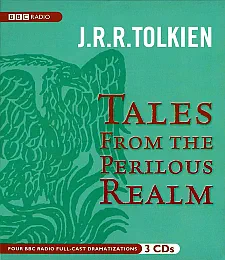
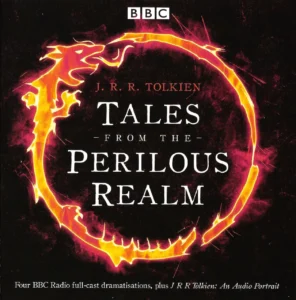
Series: Tales from the Perilous Realm (BBC)
Duration: ~1 hours
Unabridged: n/a
Country: UK
Licenced: Yes
Formats: Radio, CD, Digital
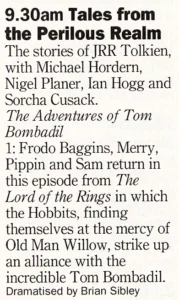
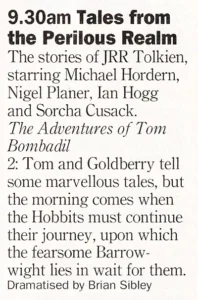
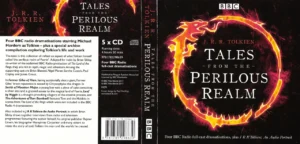
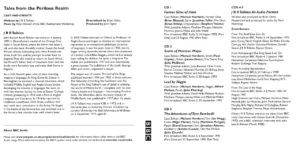
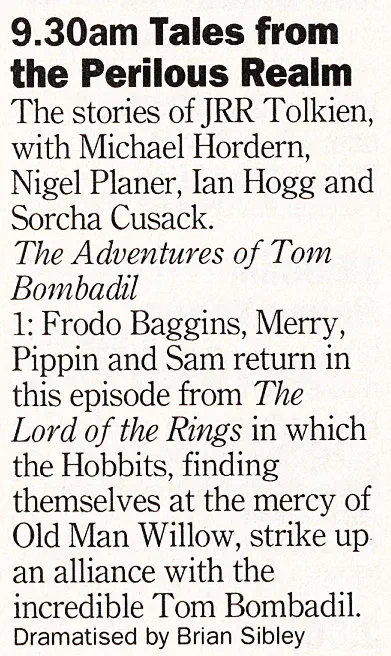
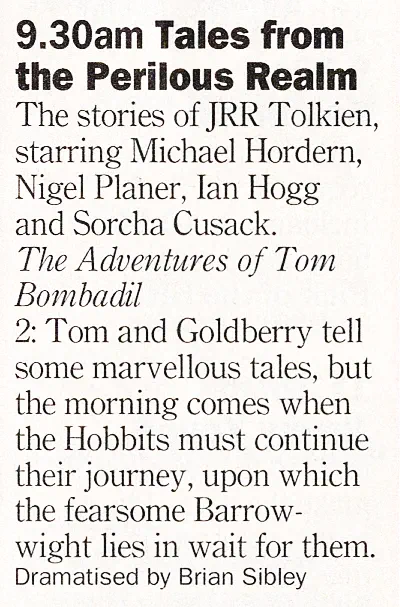
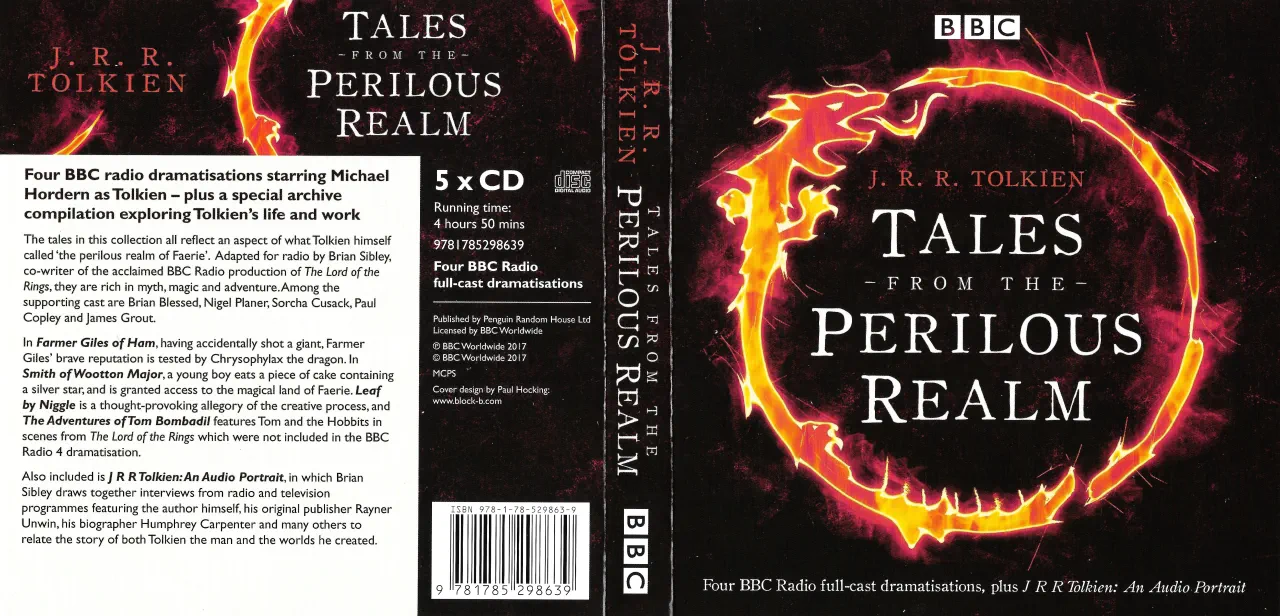
The 1992 BBC Radio production of The Adventures of Tom Bombadil is both interesting and slightly confusing because it is not an adaptation of the 1962 poetry book. Instead, it is a “lost chapter” of 1981 The Lord of the Rings BBC Radio Drama.
When Brian Sibley and Michael Bakewell adapted The Lord of the Rings for the BBC in 1981, they famously made the difficult decision to cut Tom Bombadil entirely to save time. Sibley later expressed regret over this and used the 1992 Tales from the Perilous Realm (BBC) series as an opportunity to “fix” that omission.
Unlike the other three stories in the 1992 series (Farmer Giles of Ham, Leaf by Niggle, and Smith of Wootton Major), which were standalone tales, The Adventures of Tom Bombadil acts as a deleted scene from the 1981 Lord of the Rings radio epic. It dramatises “The Old Forest,” “In The House of Tom Bombadil,” and “Fog on the Barrow-downs” chapters from The Fellowship of the Ring.
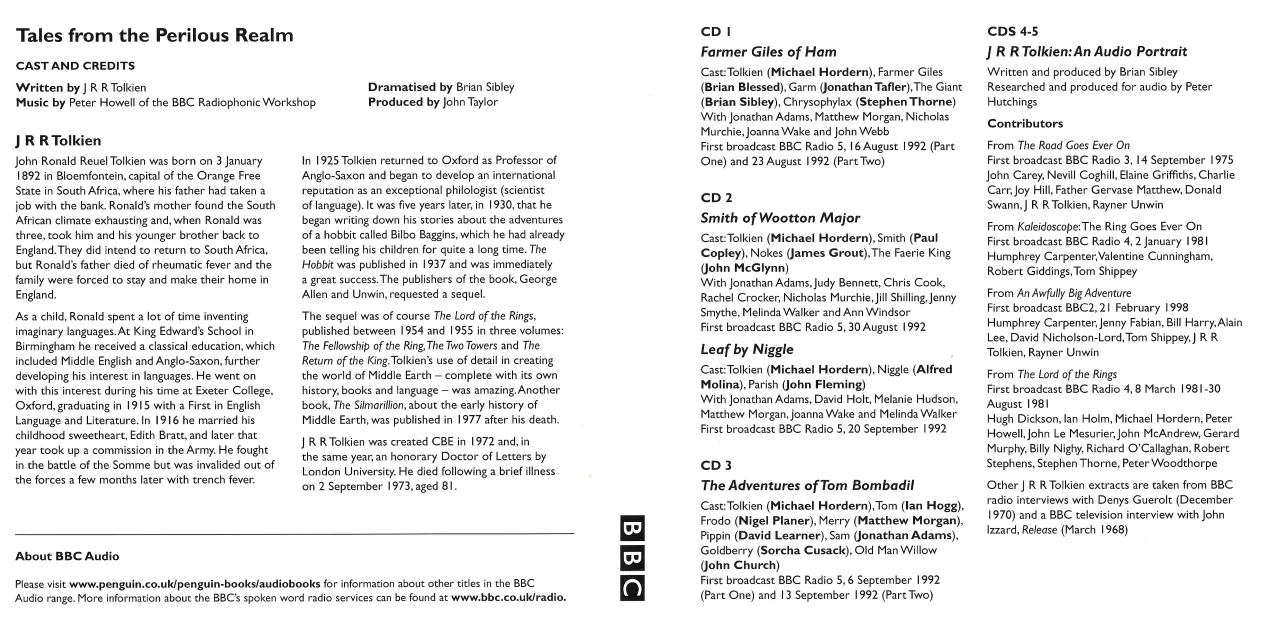
The play was broadcast September 6th and 13th, 1992 on BBC Radio 5. Sir Michael Hordern (who played Gandalf in the 1981 series) returned to play the voice of J.R.R. Tolkien as the narrator. Sibley made a conscious effort to maintain continuity with the 1981 series as much as possible, unfortunately however the four key hobbit roles had to be recast:
- Tom Bombadil: Ian Hogg
- Goldberry: Sorcha Cusack
- Frodo Baggins: Nigel Planer
- Sam Gamgee: Jonathan Adams
- Merry Brandybuck: Matthew Morgan
- Pippin Took: David Learner
The music was composed by Stephen Oliver (who sadly passed away shortly after this production), the same composer who created the iconic music for the 1981 Lord of the Rings series. This included setting Bombadil’s rhymes to specific motifs that used flutes and bright woodwinds. For the Barrow-wight scene, Oliver reused the dark, low-brass “Black Rider” themes from the 1981 series.
There has been some confusion between this and the 1998 Derek Jacobi reading of the collection of 16 poems previously published by HarperCollins as The Adventures of Tom Bombadil. To make matters worse, that reading is also part of another audio collection entitled Tales from the Perilous Realm (HC), also by HarperCollins. Apart from the title, however, these are completely different works.
Ian Hogg’s “Vocal Dance”. To distinguish Tom Bombadil from the more mundane characters of Middle-earth, Brian Sibley and director Jane Morgan wanted a performance that felt rhythmic but not childish.
- The “Iambic” Delivery: Ian Hogg was directed to speak his dialogue with a constant, underlying bounce that matched the metre of Tolkien’s poems. Even when Tom isn’t singing, Hogg maintains a “nursery-rhyme” cadence that makes him sound slightly out of step with the hobbits’ reality.
- Acoustic “Height”: To make Tom sound like he belonged to the forest, the engineers used dynamic reverb. When Tom is outdoors, his voice has a very short, “slappy” echo (simulating sound bouncing off trees); when he enters his house with Goldberry, the acoustic shifts to a warm, “golden” resonance to match the description of the candlelight and Lily-cups.
Creating Old Man Willow. The voice of Old Man Willow (John Church) was one of the most complex sound-design tasks in the series.
- The Multi-Track Groan: The voice wasn’t just an actor; it was a blend. The engineers took Church’s lines and layered them with real sound effects of creaking timber and snapping twigs. They used a “sub-harmonic synthesizer” to add a low-frequency rumble to the Willow’s voice. This meant that if you listened with a good subwoofer or headphones, you would actually “feel” the tree’s vibration before you heard the words.
The Barrow-wight’s “Cold” Voice. For the scenes in the Barrow-downs, the BBC used a technique called Reverse Reverb (a classic 1970s/80s horror trick):
- Reverse echo: They would record the actor’s line, reverse the audio, add a long trail of echo, and then reverse it again.
- Pulled Voice: The echo appears before the Wight speaks, creating an eerie, “sucking” sound that made the voice feel like it was being pulled from the spirit world rather than pushed from a throat.